Wave curtains, often called ripple fold or wave fold curtains, are a modern and minimalist alternative to traditional pleated drapes. Instead of the crisp, folded pleats of pencil or eyelet curtains, wave curtains create a gentle, continuous wave effect that softly undulates across the width of the fabric. This is achieved through a specially designed track system with gliders spaced at regular intervals, creating a smooth, even rhythm that adds a contemporary, elegant touch to any room.
If you are looking for a sleek, uncluttered window treatment that works in both residential and commercial spaces, wave curtains may be the perfect choice. This in-depth guide will explore everything you need to know about wave curtains, from track systems and fabric selection to measuring, hanging, and caring for them.
What Are Wave Curtains?
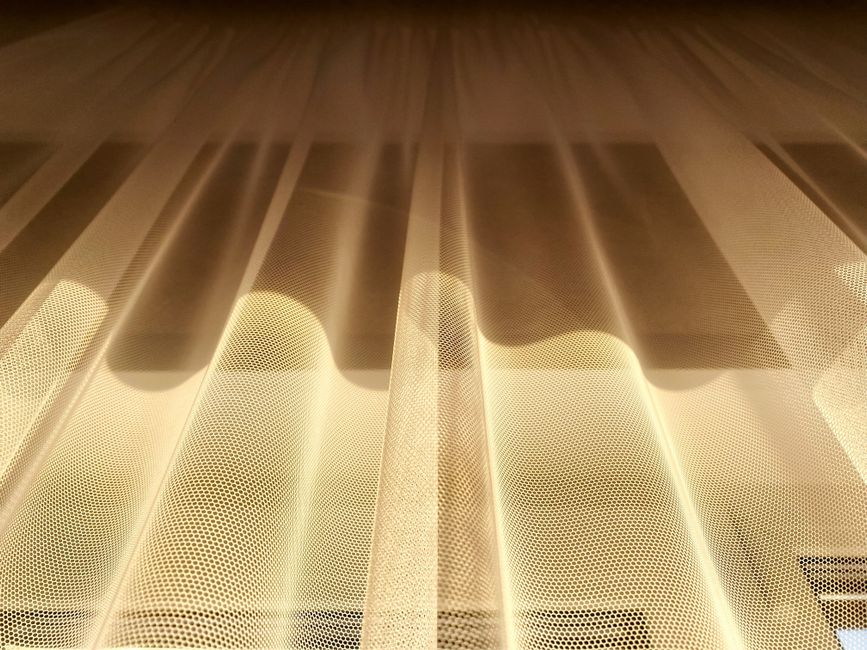
Wave curtains are a style of curtain where the fabric is gathered uniformly to form a series of soft, consistent waves along the top edge. Unlike traditional curtains that rely on pinch pleats, eyelets, or rod pockets, wave curtains use a special track with a wave header tape sewn onto the curtain. The tape has vertical cords or pockets that fit onto gliders (also called carriers) on the track. These gliders are positioned at equal intervals, pulling the fabric into a uniform wave pattern.
One of the key differences between wave curtains and conventional curtains is that wave curtains do not open and close by pulling from the side in the same way. They are typically operated by a cord, chain, or motorized system that glides smoothly along the track. When closed, the fabric stretches evenly across the window; when open, the curtains stack neatly to one or both sides, maintaining their wave structure.
___PROTECTED_1___
Benefits of Wave Curtains
- Modern, minimalist aesthetic: The uninterrupted, flowing waves offer a clean and sophisticated look that suits contemporary interiors.
- Unobtrusive hardware: The track is usually concealed or slim, allowing the fabric to be the focal point.
- Even light control: Because the waves are uniform, light filtering and privacy are consistent across the entire curtain width.
- Space-saving stack: When open, wave curtains compress into a very compact stack, allowing more natural light to enter through the cleared window.
- Versatility: They work beautifully with sheer, blackout, velvet, acoustic, and many other fabric types, making them suitable for bedrooms, living rooms, offices, and hotels.
- Smooth operation: High-quality wave tracks with gliders run smoothly, especially when motorized, which is ideal for hard-to-reach windows.
___PROTECTED_2___
Wave Curtain Track Systems
The track is the backbone of a wave curtain installation. There are several types of track systems available, each suit to different mounting requirements:
- Ceiling-mounted tracks: Fixed to the ceiling, these are ideal for creating a floor-to-ceiling drape effect and are often used in rooms with high ceilings or full-height windows.
- Wall-mounted tracks: Fixed to the wall above the window, this is the most common installation for standard windows.
- Recessed tracks: Recessed into a ceiling void or plasterboard, these provide a completely hidden fix, creating a minimalist, flush appearance.
- Corded, chain, or motorized: Wave tracks can be operated manually with a hanging cord or clew, a plastic chain, or integrated with smart home systems for motorized control. Motorized options are particularly useful for large or heavy curtains, like acoustic or blackout velvet.
Wave curtains require a special header tape, which is sewn to the top of the fabric. The tape has either a series of small pockets or cords that click onto the gliders. The spacing of the gliders determines the depth and frequency of the waves. Most wave tracks allow you to adjust the number of gliders used to achieve different wave effects.
Fabric Choices for Wave Curtains
One of the greatest advantages of wave curtains is their compatibility with a wide range of fabrics. Here at Fabric Empire, we specialize in blackout, sheer, velvet, and acoustic fabrics, each of which performs beautifully as a wave curtain.
Blackout Wave Curtains
Blackout fabrics are woven with a dense layer or coated with a special lining that blocks sunlight and UV rays. When made into wave curtains, they provide excellent light control, making them perfect for bedrooms, home theatres, and any space where darkness is required. The wave effect adds a softness that can offset the heaviness of blackout fabric.
Sheer Wave Curtains
Sheer fabrics allow diffused natural light to flow into a room while providing privacy during daylight hours. Wave curtains in sheer fabric create an ethereal, airy look that is especially popular in living rooms and offices. The gentle waves also protect sheer fabric from being stretched too tightly, ensuring longevity.
Velvet Wave Curtains
Luxurious velvet in a wave style creates a dramatic, opulent ambience. The waves naturally enhance the way light plays on velvet's texture, adding depth and richness. Velvet wave curtains are often chosen for feature windows in formal living areas or hotel suites. Because velvet is a heavyweight fabric, a strong track and quality gliders are essential.
Acoustic Wave Curtains
Acoustic curtains are designed to absorb sound and reduce echo in a room. They are typically made from dense, multi-layered materials or have a special acoustic lining. Wave curtains in acoustic fabric are an excellent choice for offices, conference rooms, home recording studios, and auditoriums. The uniform waves contribute to even sound absorption across the window area.
| Fabric Type | Best For | Wave Curtain Consideration |
|---|---|---|
| Blackout | Bedrooms, media rooms | Use a sturdy track to support weight |
| Sheer | Living rooms, day spaces | Soft, flowing waves come naturally |
| Velvet | Luxury interiors, hotels | Requires a heavy-duty track |
| Acoustic | Offices, studios | Wave uniformity aids sound performance |
Measuring and Hanging Wave Curtains
Accurate measurements are critical to achieving the perfect wave curtain installation. Here are some practical tips:
Determine the Mounting Position
Decide whether your track will be ceiling-mounted or wall-mounted. For wall mounting, the track should be installed above the window frame, typically 10-15 cm above to allow room for the track and to create an illusion of height. For ceiling mounting, the track is fixed directly to the ceiling, so you can hang curtains from floor to ceiling.
Calculate the Curtain Width
The width of the curtains should be 2 to 2.5 times the width of the track for a normal wave effect. This fullness ratio ensures that the waves are well-defined without being too dense. For example, a 2-metre track would require curtains with a total width of 4 to 5 metres of fabric. Some manufacturers offer wave tapes with different constants; always refer to the specific product data.
Measure the Track Length
If you want the curtains to stack back fully beyond the window when open, the track should be wider than the window recess. The additional width depends on the desired stack size and the fullness of the curtain. A general rule is to allow 15-20% extra on each side for stacking.
Drop Length
Measure from the top of the track to the desired finish point (often to the floor, or to the sill). For floor-length curtains, add a few centimetres to allow the fabric to hover just above the floor, or let it puddle for a more relaxed look.
Caring for Wave Curtains
Proper care will extend the life and appearance of your wave curtains.
- Vacuuming: Use a brush attachment to gently vacuum the fabric regularly, as dust can settle in the waves.
- Washing: Check the fabric label. Many wave curtains are dry clean only, while some sheers and standard polyesters can be machine washed on a delicate cycle. Always remove the header tape before washing, as the plastic glides or cords can be damaged.
- Ironing: If creases appear, use a cool iron on the reverse side of the fabric. Alternatively, use a hand steamer while the curtains are hung to release wrinkles.
- Re-hanging: When re-hanging, attach the header tape to the gliders in the same order to maintain the uniform wave pattern.
Wave Curtains in Different Settings
Residential Homes
In homes, wave curtains provide a contemporary backdrop to any room. Sheer wave curtains in a sunny conservatory create a soft, bright atmosphere, while blackout wave curtains in a master bedroom ensure a restful night's sleep. Velvet wave curtains can make a dining room feel glamorous and inviting.
Offices and Meeting Rooms
Acoustic wave curtains are increasingly installed in open-plan offices to reduce noise levels and improve speech privacy. Their clean lines also contribute to a professional, tidy aesthetic. Motorized wave curtains allow for easy adjustment of natural light throughout the day, enhancing productivity and energy efficiency.
Hotels and Hospitality
Wave curtains are a popular choice in hotels because they look smart and operate smoothly. They can be layered with a sheer wave curtain behind a blackout wave curtain, giving guests convenient control over light levels. The uniform waves also look refined in photographs, making them a favorite of interior designers.
Conclusion
Wave curtains combine modern style with practical benefits, making them a versatile option for anyone in search of a refined window treatment. By choosing the right track system, selecting a fabric that suits your functional and aesthetic needs—be it blackout, sheer, velvet, or acoustic—and measuring carefully, you can achieve a flawless, elegant look that elevates your interior. Plus, with simple maintenance, your wave curtains will continue to perform beautifully for years to come.
If you are ready to transform your interior with wave curtains, explore our selection of high-quality fabrics and track accessories. Contact our team for professional advice on measuring, fabric choice, and installation.