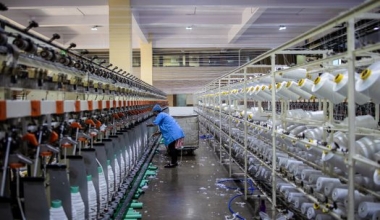
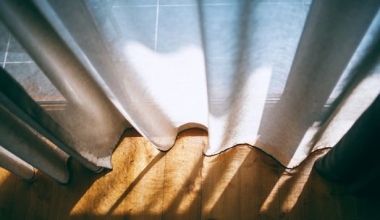
curtain fabric manufacturing is a specialized segment of the textile industry that combines aesthetics, function, and technical performance. From light-blocking blackout materials to airy sheers, plush velvets, and sound-absorbing acoustics, each curtain type requires unique fibers, weaving techniques, and finishing processes. This guide takes you behind the scenes of curtain fabric production, explaining how different fabrics are made and what to look for when sourcing from a manufacturer.
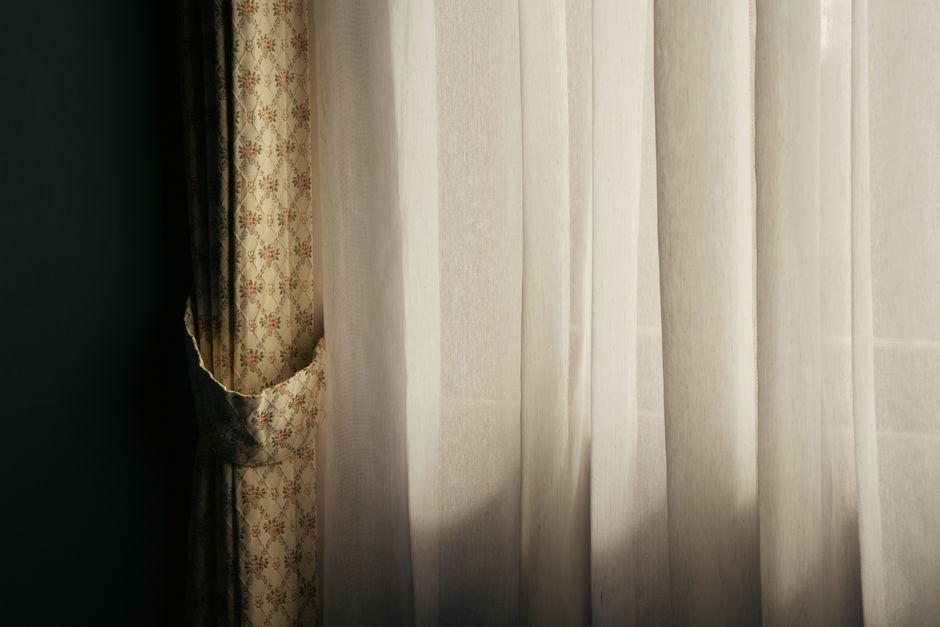
What Is Curtain Fabric Manufacturing?
Curtain fabric manufacturing involves converting raw fibers—such as cotton, polyester, linen, or wool—into finished textile products designed for window coverings. The process typically includes yarn preparation, weaving or knitting, dyeing or printing, and finishing treatments. Unlike apparel textiles, curtain fabrics must meet specific performance requirements like UV resistance, dimensional stability, flame retardancy, and often acoustic or thermal insulation.
Key Stages in the Manufacturing Process
- Fiber selection: Choosing synthetic fibers (polyester, nylon) for durability and ease of care, or natural fibers (cotton, linen) for aesthetics.
- Yarn spinning: Twisting fibers into yarns with desired thickness, strength, and texture.
- Fabric formation: Weaving, knitting, or non-woven construction to create the base cloth.
- Dyeing and printing: Applying color through batch or continuous processes, including rotary screen and digital printing.
- Finishing: Chemical or mechanical treatments that add properties like crease resistance, water repellency, blackout coating, or acoustic backing.
___PROTECTED_1___
Key Manufacturing Processes for Curtain Fabrics
The method of fabric construction heavily influences the final appearance and performance. Most curtains are woven on jacquard or dobbyd looms to create intricate patterns, while simpler designs use plain or twill weaves. Knitted fabrics are less common for curtains but offer stretch and softness for certain modern styles.
Weaving Technologies
Jacquard weaving allows for complex patterns and is often used for damask and brocade curtains. Rapier looms are popular for curtain production because they handle heavy yarns well and can produce dense fabrics. Air-jet looms are faster but may be limited in design complexity.
Dyeing Methods
Piece dyeing colors the fabric after it is woven, allowing for a wide range of solid shades. Yarn dyeing colors the yarns before weaving, creating stripes, checks, and the depth of jacquard designs. For curtains, solution-dyed polyester is increasingly favored because the color is added to the polymer before fiber extrusion, making it highly resistant to fading.
Printing Techniques
Rotary screen printing is cost-effective for large runs, while digital textile printing enables high-detail, low-volume custom designs. Pigment printing works well on blends, but reactive or acid dyes are used for cotton and silk to ensure colorfastness.
___PROTECTED_2___
Manufacturing Blackout Curtain Fabrics
Blackout curtains are engineered to block external light. There are three primary manufacturing approaches:
- Coated blackout: A woven base fabric is coated with a layer of acrylic, polyurethane, or PVC on the back. This is an economical method but can make the fabric stiff and prone to cracking over time.
- Foam-backed blackout: A layer of foam is laminated to the fabric. This provides good light blockage and adds a soft, insulated feel. It is commonly used for hotel curtains.
- Triple-weave blackout: Also called woven blackout, this method uses three layers of yarn—two outer layers and a black inner core—woven together in one step. Triple-weave fabrics are breathable, soft, and do not require chemical coatings. They offer superior light blockage (often 99%) and better durability.
Practical tip for sourcing blackout fabric
Ask for a sample and test it with a strong flashlight. Check whether light leaks through seams or pinholes. Also inquire about the fabric's Oeko-Tex certification to avoid harmful chemicals in coated options.
Manufacturing Sheer Curtain Fabrics
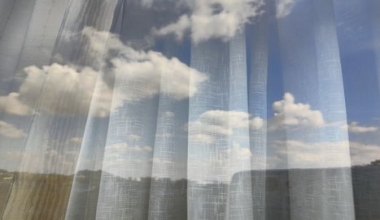
Sheer curtains are lightweight, semi-transparent fabrics made from fine yarns with an open weave. Common materials include polyester, nylon, cotton, and linen. The manufacturing process focuses on achieving consistent openness and a soft drape.
Weave constructions for sheers
Sheers are often woven in leno or plain weaves. Leno weave prevents yarns from shifting, keeping the pattern stable. Voile is a classic sheer made with tightly twisted yarns, while organdy is a crisp, stiff sheer. For modern looks, manufacturers use yarn-dyed stripes or embroidered motifs on sheer grounds.
Finishing for sheers
Sheer fabrics receive a heat-set finish to stabilize the weave and prevent wrinkles. Anti-static finishes are also common to reduce the attraction of dust. Some manufacturers apply a water-repellent treatment to make sheers suitable for kitchens or bathrooms.
Quality considerations
Check for even thread density and strength at the selvage. A high-quality sheer should have a smooth surface without slubs when viewed against light.
Manufacturing Velvet Curtain Fabrics
Velvet is a pile fabric with a dense, soft surface, made by weaving two layers of fabric face-to-face and then cutting them apart. The pile can be made from silk, cotton, viscose, polyester, or blends.
Pile construction methods
- Woven velvet: Produced on double-cloth looms. The pile yarns bridge two layers, and a steel blade cuts them to create two separate fabrics.
- Knitted velvet: Made by knitting a ground fabric and a pile yarn together. This is faster and cheaper but less dense than woven velvet.
- Crushed velvet: Treated mechanically to create a patterned, irregular appearance.
Finishing touches
Velvet curtains often undergo shearing to trim the pile to a uniform height. Brushing enhances the luster, and a backing of cotton or non-woven is sometimes laminated to the back to prevent stretch and improve insulation.
Care and manufacturing nuances
Because velvet is prone to crushing, manufacturers must cut and roll it carefully. For curtain use, a lining is often recommended to protect the pile from sun damage and dust.
Manufacturing Acoustic Curtain Fabrics
Acoustic curtains are designed to absorb sound, reducing echo and noise transmission. Their manufacturing involves dense materials and specialized backing layers.
How acoustic performance is achieved
Two factors contribute to sound absorption: fabric density and surface texture. Acoustic curtains are made with heavyweight fabrics, typically 300 to 500 g/m² or more. The weave is often a tight twill or satin to maximize mass. A separate layer of acoustic foam or mass-loaded vinyl is then laminated to the back of the fabric.
Pleating and installation
Manufacturers often recommend creating deep pleats or wave folds, as the gathered layers increase the effective surface area for sound absorption. Some acoustic curtains are manufactured with built-in grommets or header tape to facilitate pleating.
Testing acoustic curtains
Look for the NRC (Noise Reduction Coefficient) rating. A curtain with an NRC of 0.5 is considered moderately absorptive. Also check the sound transmission loss rating if you need to block noise between rooms.
Quality Control and Testing in Curtain Fabric Manufacturing
Reputable manufacturers follow strict quality control protocols. Key tests include:
| Property | Test Method | Importance |
|---|---|---|
| Light blockage | UV/VIS spectroscopy | Critical for blackout fabrics |
| Tensile strength | ASTM D5034 | Ensures fabric withstands pulling and hanging |
| Colorfastness | AATCC 16 | Resistance to fading from sunlight and washing |
| Dimensional stability | ISO 5077 | Shrinkage after washing |
| Flammability | NFPA 701 or FMVSS 302 | Fire safety compliance for public spaces |
| Acoustic absorption | Impedance tube or room method | NRC rating for acoustic curtains |
Practical tip for buyers
Always request a technical datasheet that includes the results of these tests. If the manufacturer cannot provide third-party certifications, consider that a red flag.
Sustainability in Curtain Fabric Manufacturing
The textile industry is moving toward more sustainable production methods. Here are some innovations in curtain fabric manufacturing:
- Recycled fibers: Polyester made from recycled PET bottles is now common for curtain fabrics.
- Organic cotton and linen: Grown without harmful pesticides, these natural fibers are preferred for eco-friendly sheers and velvets.
- Water-free dyeing: Techniques like air-dyeing or supercritical CO2 dyeing reduce water and chemical usage.
- Biodegradable backings: For blackout and acoustic curtains, some manufacturers use bio-based coatings instead of PVC.
When sourcing, ask about environmental certifications like GOTS (Global Organic Textile Standard), OEKO-TEX, and Cradle to Cradle.
Choosing a Curtain Fabric Manufacturer
Selecting the right manufacturer is crucial for your product's success. Consider these factors:
- Specialization: Does the factory have experience with your fabric type? Blackout and acoustic fabrics require specialized equipment.
- MOQ (minimum order quantity): For small brands, find a manufacturer with a flexible MOQ or one that offers stock fabrics.
- Customization: Can they do custom weave patterns, colors, and finishing treatments?
- Lead times: Understand production and shipping timelines, especially for seasonal launches.
- Certifications: Check for ISO 9001 (quality management) and environmental compliance.
- Communication: A manufacturer that provides lab dips, pre-production samples, and accurate production reporting will save you headaches.
Conclusion
Curtain fabric manufacturing is a complex yet rewarding field that blends traditional weaving methods with modern finishing technologies. Whether you need blackout fabrics with triple-weave construction, delicate sheers, luxurious velvets, or high-performance acoustic materials, understanding the manufacturing process helps you make informed decisions. By choosing the right materials, testing thoroughly, and partnering with a quality manufacturer, you can create window coverings that deliver both beauty and functionality.