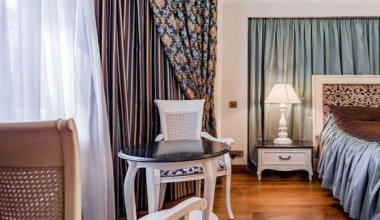
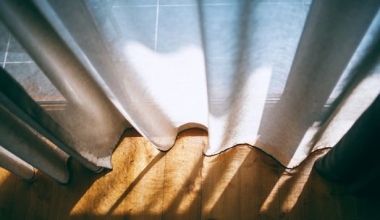
Layered curtains are more than just a design trend—they are a smart, functional solution for controlling light, improving insulation, enhancing privacy, and even dampening sound. When you combine different curtain fabrics, you can create a window treatment that adapts to your needs throughout the day and in every season. This in-depth guide will walk you through everything you need to know about layering curtains, from fabric selection to installation and care, so you can achieve a polished look that works as hard as it beautifies.
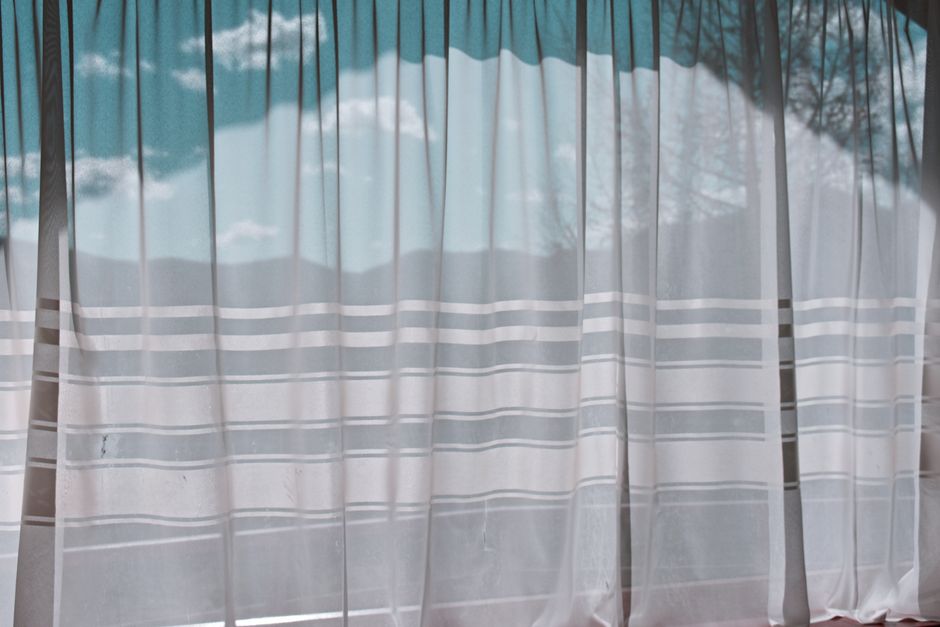
Why Layer Curtains? Understanding the Benefits
The concept of layering is simple: hanging two or more curtain panels or shades at the same window. Each layer serves a distinct purpose, and together they deliver results that a single curtain cannot match.
- Light Control: Combine sheer curtains with blackout linings to filter light during the day and block it completely at night.
- Energy Efficiency: Multiple layers trap air, creating a thermal barrier that keeps rooms warmer in winter and cooler in summer.
- Acoustic Insulation: Heavy fabrics like velvet and acoustic curtains absorb sound, reducing noise from outside and echo inside.
- Privacy: Sheers allow daylight while obscuring the view from outside; blackout or room-darkening layers provide full privacy when drawn.
- Aesthetic Dimension: Layering adds depth, texture, and color, making windows a focal point of any room.
Whether you are decorating a cozy living room, a home theater, or a master bedroom, understanding how to layer curtains can transform both the atmosphere and the functionality of the space.
___PROTECTED_1___
Choosing Fabrics for Layered Curtains
The success of layered curtains depends on choosing the right fabrics for each layer. Fabrics with different weights, opacities, and textures complement each other. Here is a breakdown of the most common curtain fabrics used in layering, and what each brings to the table.
| Fabric Type | Best For | Key Qualities | Layer Position |
|---|---|---|---|
| Sheer | Soft diffused light, daytime privacy | Lightweight, translucent, airy | Inner layer (next to window) |
| Blackout | Sleep, media rooms, complete darkness | Opaque, often foam-backed, light-blocking | Outer layer (facing the room) |
| Velvet | Luxury, warmth, sound absorption | Heavy, dense, rich texture | Outer layer or middle accent |
| Acoustic | Noise reduction, home theaters | Specialized dense weave, high sound absorption coefficient | Outer layer or standalone heavy layer |
Sheer Curtains: The Light Filtering Base
Sheer curtains are the workhorses of layering. They sit closest to the glass and filter harsh sunlight into a soft, diffused glow. Sheers protect your furniture and floors from UV fade, while offering privacy during the day—people outside see a blurred silhouette, not distinct shapes. Available in linen, polyester, and cotton blends, sheers come in many opacity levels. When selecting sheers for layering, choose a neutral tone like white, ivory, or light gray to allow the outer layer to dominate the color palette.
Blackout Curtains: Total Light Control
Blackout curtains are essential for bedrooms, nurseries, and home theaters. Made with tightly woven fabric and often a special foam or acrylic backing, they block up to 99% of external light. When used as the outer layer, they provide a solid wall of darkness behind your sheers. If you need the flexibility of partial light, look for “room darkening” fabrics, which block most light but are not 100% opaque. Blackout layers also add insulation, reducing heat loss by up to 25% in winter and reflecting heat in summer.
Velvet Curtains: Textural Luxury and Warmth
Velvet is a classic choice for opulent interiors. Its thick pile traps air and absorbs sound, making it an excellent insulator and acoustic dampener. Velvet works beautifully as the outer layer in formal living rooms, dining rooms, and bedrooms. It pairs particularly well with sheer underlays, creating a high-contrast look that feels cozy and elegant. Use velvet if you want a drapery that cascades with weight and offers a sense of grandeur. Keep in mind that velvet tends to be heavy, so your curtain rod must support the weight.
Acoustic Curtains: Soundproofing Specialists
Acoustic curtains are designed specifically to reduce noise. They are made from thick, dense materials like felt, heavy wool, or multiple layers of specially woven polyester. Some feature a corduroy-like texture that helps to scatter sound waves. In layering, acoustic curtains are usually the outer layer because of their weight and thickness. They are ideal for home offices, music rooms, and apartments near busy streets. While they won’t completely soundproof a room, they can reduce sound penetration by up to 50%, making a noticeable difference.
___PROTECTED_2___
How to Combine Sheer and Blackout Curtains
The most common and practical layer combination is sheer + blackout. This setup offers maximum flexibility:
- Daytime: Close the sheers, draw the blackout curtains open. Let in soft, natural light while maintaining privacy.
- Nighttime: Close both layers for total darkness and added insulation.
- In-between: Partially close blackouts for controlled light and privacy.
For a cohesive look, use a double rod or a track with two carriers. Alternatively, install one rod for the blackouts and another smaller rod mounted closer to the window for the sheers. This allows independent operation. When choosing colors, keep the sheers subtle and let the blackout curtains carry the accent color. A dark neutral blackout layer in charcoal, navy, or forest green paired with white sheers is both timeless and versatile.
Velvet and Acoustic Layering for Soundproofing
If your primary goal is noise reduction, combine velvet with acoustic curtains for a dual-layer sound barrier. The dense, heavy feel of velvet against the window absorbs mid-range frequencies; acoustic curtains target lower frequencies and room echo. Use an acoustic curtain as the outer layer and a velvet curtain as a middle layer (or vice versa). A sheer layer in front of the window can still be used for light filtering. For best results, the acoustic layer should overlap the window frame by several inches on each side and nearly touch the floor. This traps more sound and prevents gaps. Velvet and acoustic layers are also excellent for thermal insulation, cutting energy costs in extreme climates.
Hardware and Installation Tips for Layers
Proper hardware is crucial for layered curtains. Here are professional tips to ensure a safe, polished install:
- Choose an Adjustable Double Rod: This allows you to set the distance between the front and back layers. A gap of 6 to 8 inches is ideal so curtains don’t get crushed together.
- Use the Right Wall Fixings: Heavy fabrics like velvet and acoustic curtains require strong brackets. Use a wall-mounted rod rather than ceiling-mounted if possible, or ensure the ceiling is reinforced. Always anchor into studs.
- Hang High and Wide: For a dramatic look and better light control, mount the rod 4 to 6 inches above the window frame and extend it 6 to 10 inches beyond the sides. This lets you stack curtains clear of the glass when open, maximizing daylight.
- Consider a Layered Track System: Ceiling tracks with separate corded carriers allow smooth, independent movement of each layer. This is ideal for hard-to-reach windows.
- Test the Stack Back: Ensure there is enough wall space for the full stack of both layers when open. If space is tight, opt for thinner sheers or pinch-pleat headers that compress neatly.
Maintenance and Care for Layered Curtains
Different fabrics have different care needs. Proper maintenance will extend the life of your curtains and keep them looking fresh.
- Sheers: Most sheers are machine washable in cold water on a gentle cycle. Use a mild detergent and hang to dry to prevent wrinkles. Iron on low if needed.
- Blackout Curtains: Due to the foam backing, blackout drapes are often dry-clean only. Washing can cause the coating to peel or crack. Vacuum them regularly with a soft brush attachment to remove dust.
- Velvet: Velvet requires professional dry cleaning to maintain its luster without crushing the pile. Steaming can remove wrinkles, but never iron velvet directly—use a steamer or a press cloth.
- Acoustic Curtains: Vacuum with a low-suction handheld vacuum. Some acoustic panels are made from absorbent polyester that can be spot-cleaned with mild soap. Avoid washing acoustic curtains, as this may reduce their soundproofing efficiency.
- Weekly Dusting: Regardless of fabric, use a vacuum with a fabric attachment on all layers every couple of weeks to prevent buildup.
Common Mistakes to Avoid
Even experienced decorators can slip up. Here are the most common layered curtain mistakes and how to avoid them:
- Skimping on Sheer Width: Sheers look better when gathered. Allow at least 1.5 to 2 times the window width in fabric per layer, not just the exact measurement.
- Matching Colors Too Closely: If both layers are the same color, the layering effect is lost. Choose contrasting tones or textures to create depth.
- Ignoring the Fabric Weight: Don’t hang heavyweight velvet on a flimsy rod. Confirm the weight limit of your hardware before installation.
- Forgetting about Operation: Make sure each layer can be operated independently. If the layers are tangled or too close, you’ll end up using only one set.
- Using Too Few Panels: For a full, luxurious look, order enough fabric. Having a stretched, flat curtain looks cheap. Generous gathers are always more elegant.
Practical Layering Ideas for Different Rooms
Bedrooms: Sheer + Blackout for Sleep
Combine white sheers with blackout curtains in a soothing color. Use a double rod and leave the blackouts open during the day to let light filter through, then close both layers at night. Add a valance if you want a softer top finish.
Home Theater: Velvet + Acoustic
Use velvet as the visible layer facing the room and acoustic curtains behind them. The velvet can match your theater seating, while the acoustic layer absorbs sound. Keep both fully drawn during screenings for immersive audio.
Living Room: Sheer + Velvet for Style and Comfort
Sheers on the window and velvet outer panels frame the view beautifully. This combo is perfect for entertaining—velvet adds luxury, while sheers soften the natural light. If you need more light control, choose a lighter weight velvet that can be easily drawn.
Conclusion
Layered curtains offer a flexible, elegant solution that enhances any room’s comfort and style. By thoughtfully combining sheer, blackout, velvet, and acoustic fabrics, you can achieve precise light control, better insulation, significant noise reduction, and a rich, textured aesthetic. Remember to plan your hardware carefully, consider the desired function of each layer, and always keep maintenance in mind. Whether you are upgrading a bedroom, building a home theater, or simply refreshing your living space, the guide above gives you the knowledge to layer with confidence. Start by measuring your windows, choosing your fabric pairings, and soon you’ll enjoy the many benefits of beautifully layered curtains.
Ready to transform your windows? Explore curated collections of sheer, blackout, velvet, and acoustic curtains to find your perfect layering match.