When it comes to choosing the perfect curtains, the fabric plays a pivotal role in determining aesthetics, functionality, and longevity. In recent years, blended curtain fabrics have gained immense popularity—and for good reason. By combining the best properties of natural and synthetic fibers, blends offer a versatile solution that meets the demands of modern interiors. Whether you're after blackout performance, sheer elegance, plush velvet textures, or acoustic insulation, a carefully engineered fabric blend can deliver it all. This in-depth guide explores everything you need to know about blended curtain fabrics, from their composition and benefits to practical care and buying tips.

What Are Blended Curtain Fabrics?
Blended curtain fabrics are textiles made by weaving or knitting together two or more different types of fibers. The goal is to combine the positive attributes of each material while minimizing their individual drawbacks. For example, cotton is breathable and soft but wrinkles easily and may shrink; polyester is durable and wrinkle-resistant but can feel less natural. A cotton-polyester blend combines breathability with easy care, making it an ideal choice for curtains.
Blends are typically expressed as a percentage, such as 60% cotton and 40% polyester. The ratio determines the overall character of the fabric. Higher natural fiber content enhances softness and drape, while higher synthetic content improves strength, stain resistance, and crease recovery. This balance allows manufacturers to tailor fabrics for specific curtain types, including blackout, sheer, velvet, and acoustic versions.
___PROTECTED_1___
Why Choose Blended Fabrics? Key Benefits
Blended curtain fabrics offer a host of advantages that make them a smart choice for both residential and commercial settings. Here are some of the standout benefits:
- Durability: Synthetic fibers like polyester add tensile strength, making blended curtains less prone to tearing and fading than pure natural fabrics.
- Easy Maintenance: Many blends are machine-washable, quick-drying, and resistant to wrinkles, simplifying routine care.
- Enhanced Aesthetics: Blends can mimic the look and hand-feel of expensive natural fabrics like silk or linen at a more accessible price point.
- Versatility: By adjusting the fiber composition, manufacturers can create fabrics that are lightweight and sheer, heavy and opaque, or with a plush velvet touch.
- Dimensional Stability: Synthetic fibers help prevent shrinking and sagging, ensuring curtains maintain their shape over time.
- Cost-Effectiveness: Blending affordable fibers with premium ones reduces overall cost without sacrificing the desired look or performance.
___PROTECTED_2___
Common Blends and Their Characteristics
Different fiber combinations yield vastly different outcomes. The table below outlines popular blended curtain fabrics and what they offer:
| Blend | Common Ratio | Best For | Key Characteristics |
|---|---|---|---|
| Cotton-Polyester | 60/40 or 50/50 | Everyday drapes | Durable, breathable, wrinkle-resistant, easy to dye. |
| Polyester-Viscose | 70/30 | Velvet-look curtains | Soft sheen, good drape, luxurious feel, affordable. |
| Linen-Cotton | 50/50 or 55/45 | Natural texture sheers | Casual texture, moisture-wicking, slightly crisp. |
| Polyester-Nylon | 80/20 | Acoustic and blackout | High strength, excellent dimensional stability, sound-dampening potential. |
| Cotton-Linen-Polyester | Mix | Wrinkle-resistant linen look | Natural appearance with easy-care characteristics. |
Performance of Blended Fabrics: Blackout, Sheer, Velvet, and Acoustic
Blended curtain fabrics are engineered to perform across a range of specialized uses. Here is how they factor into different curtain types:
Blackout Curtains
Blackout curtains typically feature a thick, opaque construction or a special coating. A cotton-polyester blend works well as a base because polyester adds a tight weave, while cotton provides a soft face. Many blackout blends also include a foam or acrylic backing that prevents light infiltration and adds thermal insulation. Blended blackout curtains are lighter than pure cotton versions and resist mold and mildew better in humid environments.
Sheer Curtains
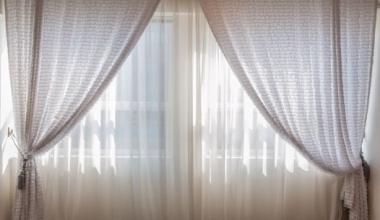
Sheer fabrics require fineness and translucency, yet they need sufficient strength to withstand pulling and sunlight. A blend of polyester with a small percentage of cotton or viscose creates a beautiful sheer that is more resilient than 100% polyester and easier to wash than pure cotton. Polyester-linen blends add a subtle texture while remaining lightweight and airy, ideal for diffusing natural light.
Velvet Curtains
Traditional velvet is made from silk, but modern velvet curtains often use polyester-viscose blends. Viscose (rayon) imparts a smooth, lustrous pile that catches light, while polyester provides structural integrity and abrasion resistance. Some velvet-like blends include spandex for slight stretch, improving drape and reducing crushing. These blends give a luxurious character to both traditional and contemporary interiors at a fraction of the cost of silk velvet.
Acoustic Curtains
Acoustic curtains are designed to absorb sound and reduce noise pollution. They are typically made from heavy, dense fabrics, often combining multiple layers. A polyester-nylon blend offers high tensile strength and can be woven into thick, plush structures that trap sound waves. Some acoustic curtains incorporate mass-loaded vinyl (MLV) between fabric layers, but the outer face is often a blend for durability and texture. The blend's weight and surface density directly influence its noise reduction coefficient (NRC).
How to Care for Blended Curtain Fabrics
Proper care extends the life of your blended curtains and keeps them looking fresh. While specific instructions depend on the blend ratio, these general guidelines apply:
- Check the label: Always read the manufacturer's care tag. Blends with high synthetic content can often be machine-washed, while those with delicate natural fibers may require dry cleaning.
- Machine washing: Use cold or warm water on a gentle cycle. A mild detergent is best; avoid bleach because it can weaken synthetic fibers and cause yellowing.
- Hand washing: For blends containing linen or viscose, hand washing in cold water is safer to prevent shrinkage or distortion.
- Drying: Air drying is recommended for most blended curtains. If using a dryer, choose a low-heat tumble setting and remove while still slightly damp to minimize wrinkles. High heat can damage synthetic fibers.
- Ironing: Use a low-to-medium setting. Some blends are wrinkle-resistant, but if ironing is needed, press on the reverse side or use a pressing cloth to avoid shine.
- Cleaning frequency: Vacuum curtains regularly with a brush attachment to remove dust. Deep-clean them every six to twelve months, depending on exposure to smoke, cooking odors, or pets.
Buying Guide: What to Look For in Blended Curtains
With countless options on the market, selecting the right blended curtain fabric can feel overwhelming. Keep these factors in mind:
- Fiber ratio: Check the percentages. A higher polyester ratio improves durability and water resistance; more natural fibers enhance breathability and texture. Choose based on your priorities.
- Weave and weight: Lightweight blends are suitable for sheers, while heavier fabrics offer better blackout and acoustic properties. Request sample swatches to assess thickness and drape.
- Light management: Ask about opaqueness. Some blends are inherently thick, while others are treated with coatings or laminated layers to achieve blackout functionality.
- Texture and finish: Decide whether you prefer the smoothness of polyester, the crispness of linen, or the plushness of velvet. Blends can mimic these qualities, so feel the fabric to ensure it meets your aesthetic expectations.
- Fire retardance: For commercial spaces, check whether the fabric meets local fire-safety standards. Many synthetic blends can be treated to be flame-retardant.
- Maintenance needs: If you lead a busy lifestyle, choose a wrinkle-resistant, machine-washable blend. For high-end interiors, you may accept more delicate care in exchange for a luxurious look.
- Supplier credibility: Always buy from reputable manufacturers who provide transparent details about fiber content, performance certifications, and care instructions.
Industry Applications and Case Studies
Blended curtain fabrics are used across a broad spectrum of industries beyond the home. Here are a few notable applications:
Hospitality and Hotels
Hotels require curtains that are elegant yet durable, easy to clean, and able to block out light for guest comfort. A cotton-polyester blend with a blackout lining is a popular choice for guest rooms. In case studies from major hotel chains, switching to blended fabrics reduced replacement frequency by 30% compared to pure cotton, thanks to improved colorfastness and dimensional stability.
Healthcare Facilities
Hospitals rely on curtains that meet strict hygiene standards. Polyester-based blends are favored because they withstand frequent washing with disinfectants and resist bacterial growth. Privacy curtains made from polyester-viscose blends offer a softer ambiance while maintaining high durability, and their fire-retardant properties enhance safety.
Theaters and Auditoriums
In performance venues, acoustic and flame-retardant properties are paramount. Heavy blends of polyester and wool are used to create stage drapes that absorb sound and control reverberation. Additionally, the deep, rich colors achievable with blended velvet fabrics contribute to an immersive theatrical environment.
Corporate Offices
Modern open-plan offices benefit from acoustic curtains that reduce noise distractions and create private spaces. Polyester-nylon blends, coupled with a soundproofing interlayer, have been used in modular office pods. A case study from a tech company showed that installing these curtains reduced background noise levels by up to 10 decibels in quiet zones, improving employee focus.
Conclusion
Blended curtain fabrics represent a marriage of form and function, offering unlimited customization possibilities for any space. Whether you need the light-blocking power of a blackout curtain, the delicate transparency of a sheer, the indulgent feel of velvet, or the noise-reducing properties of an acoustic curtain, there is a blended solution that fits the bill. By understanding the composition, benefits, and care requirements of these textiles, you can make an informed purchasing decision that enhances your interior’s comfort and style—all while staying within budget. The next time you shop for curtains, don't overlook the remarkable versatility of blends; they might truly be your perfect match.