When it comes to choosing the perfect curtain fabric, the term “yarn dyed fabrics” often surfaces—and for good reason. Yarn dyed textiles represent a hallmark of quality, durability, and visual richness that discerning designers and homeowners alike appreciate. Unlike piece-dyed fabrics that are colored after weaving, yarn dyed fabrics receive their color before a single thread is woven. This fundamental difference impacts everything from colorfastness to pattern sharpness, making yarn dyed curtains a sought-after choice for both residential and commercial spaces. In this comprehensive guide, we’ll explore what makes yarn dyed fabrics unique, their application across blackout, sheer, velvet, and acoustic curtains, plus essential care and buying tips.
What Does Yarn Dyed Mean?
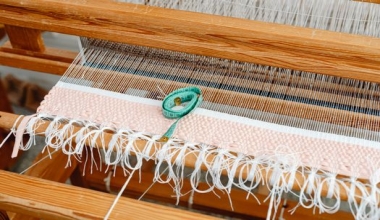
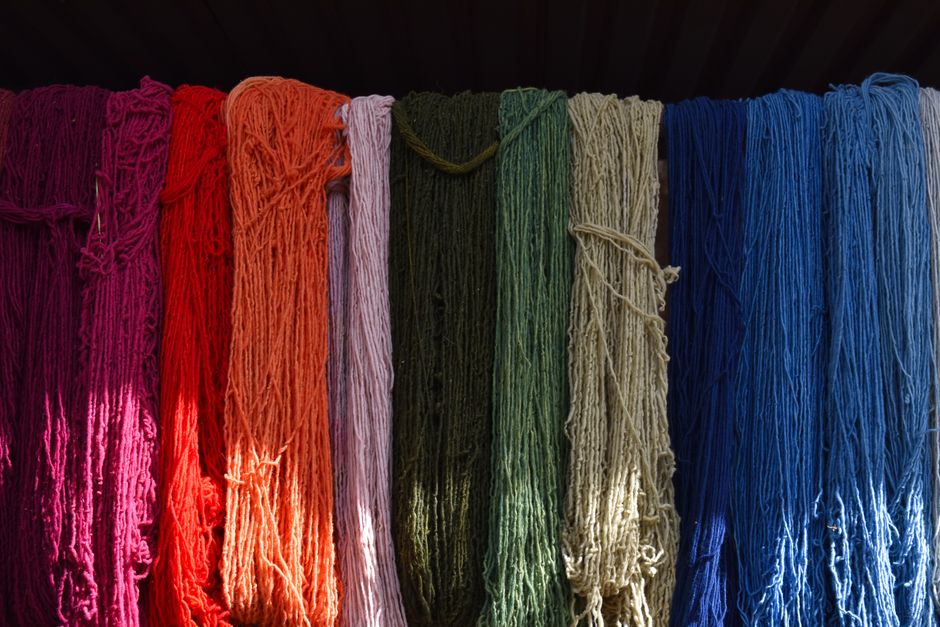
Yarn dyeing is a process where individual yarns are dyed before they are woven or knitted into fabric. The yarns are first spun from raw fibers, then immersed in dye baths, dried, and only afterward woven into the desired textile. This is in direct contrast to piece dyeing, where the finished fabric is dyed all at once in a single color.
The key characteristic of yarn dyed fabric is that the pattern or color effect is created by interweaving different colored yarns. For example, a classic striped or plaid curtain fabric is almost always yarn dyed. The dye penetrates deep into each filament, resulting in a more integrated and stable color.
Yarn Dyed vs. Piece Dyed: A Quick Comparison
| Feature | Yarn Dyed | Piece Dyed |
|---|---|---|
| Dyeing Stage | Before weaving, yarns are individually colored | After weaving, the fabric is dyed as a whole |
| Patterns | Clear, sharp patterns on both sides | Solid colors or patterns printed on surface |
| Colorfastness | Excellent, resists fading | Can fade if low-quality dyes used |
| Durability | Higher, due to thorough dye penetration | Moderate, surface dye can wear off |
| Cost | Typically higher | Lower, more economical |
| Yarn Shrinkage | Yarns are pre-shrunk, reducing post-weave shrinkage | Fabric may shrink more |
___PROTECTED_1___
Why Choose Yarn Dyed Fabrics for Curtains?
Curtains serve both functional and aesthetic roles. Yarn dyed fabrics bring distinct advantages that elevate any window treatment:
- Exceptional Color Retention: Because each yarn is saturated with dye, colors remain vibrant even after prolonged exposure to sunlight. This is critical for curtains that face harsh daylight.
- Distinctive Pattern Clarity: Patterns like stripes, checks, and herringbones appear crisp and well-defined on both sides of the fabric. This is especially beneficial for curtains that are visible from the outside or when you want a clean look without a separate lining.
- Superior Durability: The dyeing process strengthens the yarn structure, making yarn dyed fabrics less prone to tearing and abrasion. Curtains that are opened and closed daily will last longer.
- Timeless Aesthetic: Yarn dyed fabrics often have a rich, woven-in texture rather than a flat printed appearance. This adds depth and a handcrafted feel to your interiors.
- Low Fading and Bleeding: The dye is fixed within the fiber, so yarn dyed curtains are less likely to bleed when washed.
___PROTECTED_2___
Types of Yarn Dyed Curtain Fabrics
Yarn dyeing is highly versatile and can be applied to various fibers and weaves used in professional curtain manufacturing. Here are the most common types you’ll encounter:
Blackout Curtain Fabrics
Blackout curtains are designed to block external light and improve sleep quality. Yarn dyed blackout fabrics typically use a tightly woven base of cotton or polyester, often with a triple-weave construction. The yarns are dyed in deep, saturated colors, which means even dark shades like charcoal or navy remain rich without needing a chemical coating. Many blackout yarn dyed curtains also incorporate a white or light-colored backing layer that reflects heat, but the face fabric retains its patterned integrity thanks to the pre-dyed yarns.
Sheer Curtain Fabrics
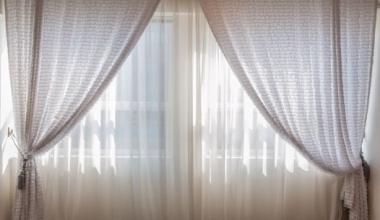
Sheer curtains soften light while offering a degree of privacy. Yarn dyed sheers are particularly beautiful because the colored yarns appear translucent, creating subtle, luminous effects as light passes through. Common styles include yarn dyed ombre sheers, vertical stripes, and delicate woven geometrics. Since sheers are exposed to constant sunlight, the colorfastness of yarn dyeing is invaluable in preventing them from turning yellow or fading unevenly.
Velvet Curtain Fabrics
Yarn dyed velvet is the epitome of luxury. In velvet weaving, the pile is cut from extra warp yarns, and when those yarns are dyed before weaving, the result is a plush, richly pigmented fabric. Yarn dyed velvet curtains offer a deep, lustrous appearance with excellent draping properties. They are often used in formal living rooms and theaters. The dyed yarns also help minimize crush marks and maintain the pile's direction when the curtains are drawn.
Acoustic Curtain Fabrics
Acoustic curtains are heavier, densely woven fabrics that absorb sound and reduce noise pollution. Many acoustic fabrics use yarn dyed patterns to combine functionality with aesthetics. The tight weave required for sound absorption works well with yarn dyeing, allowing for intricate patterns that do not compromise the fabric's acoustic properties. Yarn dyed acoustic panels are becoming popular in open-plan offices, recording studios, and home theaters.
How to Identify Yarn Dyed Fabric
Not all patterned fabrics are yarn dyed. Here are simple ways to tell them apart:
- Check the back: In yarn dyed fabric, the pattern will be visible on both sides with approximately the same intensity. In printed fabrics, the back is often blank or faintly colored.
- Rub the surface: Printed fabric may smudge or transfer dye if rubbed with a damp cloth. Yarn dyed fabric should hold its color completely.
- Look at the weave with a magnifying glass: You should see distinct colored yarns crossing each other, rather than a single continuous surface color.
- Tug the threads: If you pull a colored thread out, it was dyed before weaving; if the thread is completely saturated through its core, it’s yarn dyed.
Care Tips for Yarn Dyed Curtain Fabrics
Proper maintenance will ensure your yarn dyed curtains remain beautiful for years.
- Dust regularly: Use a vacuum with a brush attachment or a handheld lint roller to remove dust and prevent dirt from embedding into the weave.
- Dry clean for structured drapes: Velvets and lined blackout curtains should be professionally dry-cleaned to maintain their shape and any interlining.
- Machine wash with care: Cotton or polyester plain-weave yarn dyed curtains can sometimes be machine washed in cold water on a gentle cycle. Always test a small corner first. Use a mild detergent, never bleach, and line dry to avoid shrinkage.
- Avoid direct heat: While yarn dyed fabrics are colorfast, intense heat from an iron or dryer can crack fibers. Use a cool iron on the reverse side if needed.
- Rotate for even sun exposure: Although yarn dyeing resists fading, even sunlight exposure across all areas maintains uniform color over decades.
Buying Guide: What to Look For
When shopping for yarn dyed curtains, keep these criteria in mind:
- Fiber content: Determine if the fabric is natural (cotton, linen) or synthetic (polyester, acrylic). Natural fibers offer a classic look but may shrink; synthetics are more color-stable and easier to care for. Blends combine the best of both worlds.
- Weave tightness: For blackout and acoustic curtains, a tight weave is essential. For sheers, a more open weave is acceptable.
- Light filtering: Hold the fabric up to a light source. Check how much light passes through and whether the pattern remains visible.
- Thread count: Higher thread count generally means a denser, more durable fabric.
- Pattern alignment: Ensure stripes or plaids are straight and vertical, as crooked patterns indicate poor quality craftsmanship.
- Fire retardancy: Many commercial applications require flame-retardant finishes. Ask for certifications if you are sourcing for hospitality or public buildings.
Industry Application Cases
Yarn dyed curtains are the preferred choice in numerous sectors where quality and longevity matter:
Hospitality: Hotels and Boutique Resorts
Hotels use yarn dyed blackout curtains extensively to provide guests with an uninterrupted sleep environment. The high colorfastness means that even after years of washing and sun exposure, curtains maintain their sophisticated hues. For instance, a seaside resort may choose yarn dyed linen-blend sheers in soft aqua stripes to complement the coastal view while resisting salt-air mildew.
Corporate Interiors: Offices and Conference Rooms
In office settings, acoustic curtains with yarn dyed patterns serve a dual purpose: they reduce sound reverberation and add a professional aesthetic. A law firm might install yarn dyed velvet curtains in a deep burgundy to convey authority, while also dampening echoes in a glass-walled meeting room.
Performing Arts: Theaters and Auditoriums
Yarn dyed flame-retardant velvet curtains are standard in theaters. They not only provide dramatic, rich backdrops but also meet strict fire safety codes. The yarn dyeing process ensures that stage lighting does not cause visible fading, keeping the stage visuals consistent night after night.
Healthcare: Hospitals and Clinics
In patient rooms, yarn dyed fabric in calming shades of blue or green is used for privacy curtains with anti-microbial finishes. The dye’s chemical bond resists the breakdown from hospital-grade disinfectants, extending the life of the curtains.
Residential Design
Homeowners increasingly opt for yarn dyed curtains to achieve a bespoke look. Whether it’s a colorful woven plaid in a child’s bedroom or an elegant yarn dyed silk dupioni in a formal dining room, the investment pays off through decades of use without losing vibrancy.
Conclusion
Yarn dyed fabrics offer a superior standard in the world of curtains. Their outstanding color fastness, sharp patterns, and long-lasting durability make them an intelligent investment for any interior—residential or commercial. Whether you need blackout panels for a restful bedroom, elegant sheers for a sunroom, opulent velvet for a grand lobby, or high-performance acoustic drapes for an office, yarn dyed constructions deliver on all fronts. When you choose yarn dyed curtains, you’re not just purchasing a window covering; you’re investing in craftsmanship that stands the test of time. So next time you browse fabric rolls, ask the supplier: “Is this yarn dyed?” Your curtains—and your future self—will thank you.