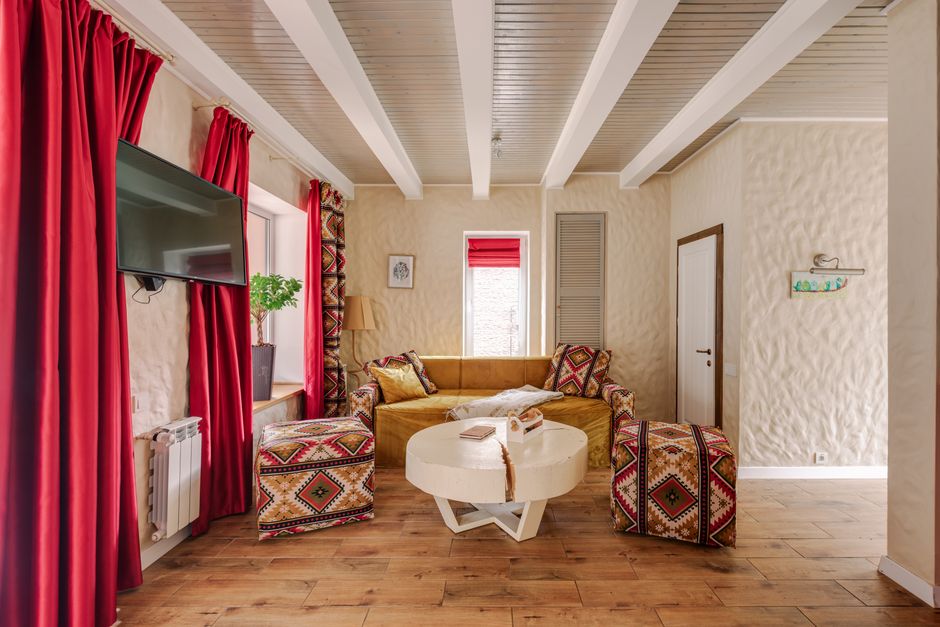
Introduction to Printed Curtain Fabrics
Printed curtain fabrics are the chameleons of interior design. Unlike dyed or plain weaves, printed fabrics carry patterns, imagery, and color stories directly onto the textile surface, transforming a simple window treatment into a statement piece. From tropical leaves to geometric abstracts, the possibilities are virtually limitless. In this comprehensive guide, we will explore the world of printed curtain fabrics: how they are made, which materials work best, how to choose and care for them, and why they are a favorite among interior designers and homeowners alike.
___PROTECTED_1___
What Are Printed Curtain Fabrics?
Printed curtain fabrics are textiles that have had a design applied to their surface using various printing techniques. The base fabric can be cotton, polyester, linen, velvet, or a blend. The printing process allows for intricate, multi-colored patterns that would be impossible to weave directly. This versatility makes printed curtains an affordable way to bring personality and visual interest to any room.
The Difference Between Printed and Woven Patterns
Woven patterns, such as damask or jacquard, are created during the weaving process by interlacing different colored threads. Printed patterns, on the other hand, are applied after the fabric is woven. This means printed fabrics can have highly detailed, photographic, or artistic designs at a lower cost than their woven counterparts. However, the durability of the print depends on the quality of the ink and the fabric fiber.
___PROTECTED_2___
Popular Printing Techniques for Curtain Fabrics
Understanding how printed curtains are made helps you appreciate their quality and longevity. Here are the most common techniques:
1. Digital Printing
Digital printing uses large-format inkjet printers to apply pigment or dye directly onto the fabric. It allows for unlimited colors and highly complex designs, including photorealistic images. This is the go-to method for custom and small-batch orders because there is no need for expensive printing screens. Digital printing is also more water-efficient than traditional methods, making it an eco-friendlier option.
2. Screen Printing
Screen printing uses a mesh screen and a squeegee to push ink onto the fabric. Each color in the design requires a separate screen, making it more expensive for multi-colored designs. However, screen printing produces vibrant, long-lasting colors and is ideal for large production runs. It works best on flat, smooth materials like cotton or polyester.
3. Block Printing
Block printing is the oldest method, using hand-carved wooden or linoleum blocks dipped in dye and stamped onto the fabric. This artisanal technique creates beautiful, imperfect patterns that are prized for their handmade charm. Block-printed curtains are often made of natural fibers like cotton or linen and are popular in boho and rustic interiors.
Best Fabrics for Printed Curtains
The base fabric plays a crucial role in how a print looks and performs. Here are the most popular materials used for printed curtain fabrics:
| Fabric | Characteristics | Best For |
|---|---|---|
| Cotton | Soft, breathable, absorbs dyes well, easy to care for | Everyday rooms, casual spaces |
| Linen | Textured, natural luster, slightly sheer, wrinkles easily | Beach houses, relaxed aesthetics |
| Polyester | Durable, wrinkle-resistant, sharp print quality, lightweight | High-traffic areas, budget-friendly options |
| Velvet | Luxurious, heavy, print appears richer and more sumptuous | Formal rooms, blackout curtains |
| Silk (or blend) | Elegant, smooth, delicate, prints with luminous detail | Luxury interiors, special occasions |
Blends: The Best of Both Worlds
Many printed curtain fabrics are blends, such as cotton-polyester or linen-viscose. These combine the natural feel of cotton or linen with the durability and wrinkle-resistance of synthetics. Blends are often more affordable and easier to maintain than pure natural fibers.
Benefits of Choosing Printed Curtain Fabrics
Printed curtains offer a host of advantages that make them a smart choice for any home or commercial space:
- Unlimited Design Options: From florals to abstract art, the patterns are endless. You can even custom-print your own photographs or artwork.
- Light Control: Prints can be applied to blackout, sheer, or light-filtering fabrics, giving you both style and function.
- Visual Depth: A well-chosen print can add depth and dimension to a room, making it feel larger or cozier.
- Hides Stains: Patterned fabrics cleverly disguise minor spots and dust better than solid colors.
- Affordable Luxury: You can achieve the look of expensive woven silks or damasks at a fraction of the cost.
- Easy to Update: If you love changing your decor, printed curtains are a simple way to transform a space without painting walls or replacing furniture.
How to Choose the Right Printed Curtain Fabric
With so many choices, selecting the perfect printed fabric can feel overwhelming. Here is a step-by-step approach to narrow down your options:
Consider the Room and Lighting
For living rooms and bedrooms, you might want blackout or light-filtering printed curtains to ensure privacy and sleep quality. For kitchens and dining areas, a lighter, washable cotton or poly blend is practical. In a home office, choose prints with calming colors to promote focus.
Scale of the Pattern
Large prints look stunning in big, open spaces and on wide windows, while small prints work well in compact rooms or for a more subtle effect. A general rule: the larger the window, the larger the scale you can consider.
Color Coordination
Take a cue from your existing decor. Pick a print that includes colors already present in your furniture or walls to ensure harmony. If you want a bold statement, choose a high-contrast pattern; if you prefer subtlety, opt for a tonal or monochromatic design.
Fabric Weight and Drape
Heavy fabrics like velvet drape full and block more light, while sheer fabrics allow diffused light and appear airy. Make sure the fabric weight matches the function you expect from the curtain. Always request a swatch to feel the texture and see the print quality in person.
Caring for Printed Curtain Fabrics
Proper care will extend the life of your printed curtains and keep their colors vibrant. Here are some essential tips:
- Read the Label: Always check the manufacturer's care instructions. Some printed fabrics can be machine washed, while others require dry cleaning.
- Washing: If machine washing is allowed, use cold water and a gentle cycle. Turn curtains inside out to protect the printed surface from friction.
- Detergent: Use a mild detergent without bleach or optical brighteners, which can fade or alter colors.
- Drying: Air dry when possible. Tumble drying may cause shrinking or peeling of the print. If you must use a dryer, use low heat and remove while slightly damp.
- Ironing: Iron on the reverse side at a low-to-medium temperature. Avoid steaming directly on the print as high heat can crack or fade it.
- Sunlight Protection: Prolonged direct sunlight can fade prints. Consider adding a liner or using a UV-protective film on windows if needed.
Industry Applications: Where Printed Curtains Shine
Printed curtain fabrics are not just for residential homes. They are widely used across many industries to create atmosphere and identity:
Hospitality and Hotels
Hotels use printed curtains to reinforce their brand—whether it's a tropical resort with palm prints or a boutique hotel with custom abstract designs. The right curtains can elevate a guest's experience and create a memorable room environment.
Healthcare Facilities
In hospitals and clinics, printed curtains are used for privacy screens and window treatments. Calming nature prints can reduce patient anxiety, while antimicrobial and washable poly-blend fabrics ensure hygiene.
Retail and Commercial Spaces
Boutique stores, restaurants, and offices use printed curtains to add character and guide color schemes. A cafe might use chalkboard-style printed bunting or colorful graphic curtains to create a lively atmosphere.
Theatrical and Event Production
Stage curtains with custom prints can create specific moods and backdrops for events, concerts, and theater productions. Printed fabrics allow designers to achieve rich, immersive environments without the cost of painted scenery.
Printed Curtain Fabrics for Blackout and Sheer Applications
One of the greatest strengths of printed fabrics is their adaptability to different light-control needs.
Blackout Printed Curtains
Blackout curtains are typically made from tightly woven polyester with a special foam coating or a light-blocking layer. They can be printed with any design, allowing you to have a floral pattern in your bedroom while enjoying complete privacy and energy savings. The print is often applied using digital printing or a heat-transfer process that doesn't compromise the blackout properties.
Sheer Printed Curtains
Sheer fabrics allow natural light to filter through while providing a degree of privacy during the day. Printing on sheers requires special inks and techniques to ensure clarity and durability. Many homeowners choose sheer printed curtains for living rooms and conservatories to maintain an open, airy feel while adding a decorative touch.
Sustainability and Printed Fabrics
Environmental consciousness is increasingly important in fabric production. Look for printed curtain fabrics made from organic cotton, hemp, or recycled polyester. Water-based inks and digital printing reduce water pollution and waste. Some manufacturers use low-impact dyes and eco-friendly finishing processes. If sustainability is a priority, ask suppliers about their certifications, such as Global Organic Textile Standard (GOTS) or OEKO-TEX.
Where to Use Printed Curtain Fabrics
Here are some quick ideas to inspire your next interior project:
- Living Room: Choose a bold abstract print to serve as the focal point.
- Bedroom: Go with calming botanical or cloudy prints on blackout fabric for serene sleep.
- Kids' Room: Fun motifs like stars or animals make the space playful and stimulating.
- Home Office: Subtle stripe or geometric prints help maintain a professional ambiance.
- Dining Room: Elegant damask or polished floral prints add formality without overwhelming.
Final Thoughts
Printed curtain fabrics offer a perfect marriage of art and function. With a vast array of patterns, colors, and base materials, there is a printed fabric for every taste and budget. By understanding the different printing techniques, fabric properties, and care requirements, you can make an informed choice that will enhance your space for years to come. Whether you're seeking blackout efficiency, sheer elegance, or a bold design statement, printed curtains are a versatile and rewarding solution.
Explore our collection of printed curtain fabrics today and bring your windows to life!