The journey of a curtain fabric from raw fiber to the elegant drape gracing your window is a fascinating process that combines tradition with cutting-edge technology. Whether you are selecting sumptuous velvet, practical blackout lining, or light-filtering sheers, understanding how these textiles are made empowers you to make informed purchasing decisions. This in-depth guide explores the complete curtain fabric manufacturing process, step by step.
1. Sourcing Raw Materials: The Foundation of Fabric
Before any weaving begins, manufacturers must select the right fibers. The choice of material dictates the fabric's texture, durability, light-blocking ability, and care requirements. Raw materials fall into two main categories:
- Natural Fibers: Cotton, linen, silk, and wool are prized for their breathability, natural luster, and eco-friendliness. Linen offers a relaxed, textured look, while cotton is versatile and easy to print.
- Synthetic Fibers: Polyester, nylon, and acrylic dominate modern curtain manufacturing due to their durability, wrinkle resistance, and cost-effectiveness. Polyester, in particular, is often used for blackout fabrics because it can be easily coated or woven tightly.
- Blends: Combining natural and synthetic fibers (e.g., cotton-polyester) creates a fabric that balances comfort and performance, making it a popular choice for ready-made curtains.
Practical Tip: For blackout curtains, look for high-denier polyester or a tightly woven base cloth, as these provide a superior foundation for light-blocking coatings.
___PROTECTED_1___
2. Yarn Preparation: Spinning and Twisting
Once fibers are collected and cleaned, they must be converted into yarn. This process involves several steps:
- Carding & Combing: Fibers are disentangled and aligned to create a continuous web. Combing removes shorter fibers for finer, smoother yarns used in luxury fabrics like velvet.
- Spinning: The aligned fibers are twisted together to form yarn. The tightness of the twist affects strength and texture. High-twist yarns are more durable but can feel stiffer.
- Plying: Two or more single yarns are twisted together to create a stronger, more uniform thread, often used in high-quality curtain headers.
Special Yarn for Acoustic Curtains
For acoustic and soundproofing curtains, yarns are often spun with a technology that increases surface area and density. Some manufacturers incorporate metal fibers or specialized polymers to enhance sound absorption. The yarn structure directly influences the fabric's ability to trap sound waves.
___PROTECTED_2___
3. Weaving and Knitting: Creating the Base Cloth
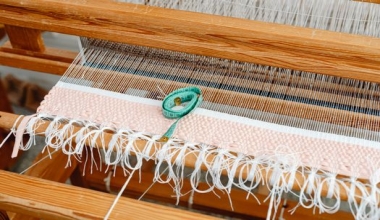
The yarn is now ready to be interlaced into fabric. Weaving is the most common method for curtain fabrics, and each weave produces a distinct character:
| Weave Type | Characteristics | Common Curtain Applications |
|---|---|---|
| Plain Weave | Simple over-under pattern; durable and flat. | Sheer curtains, base cloth for coatings |
| Twill Weave | Diagonal rib pattern; drapes well and resists wrinkles. | Casual and semi-formal curtains |
| Satin Weave | Smooth, lustrous surface with floating yarns. | Formal drapery, luxurious sheers |
| Pile Weave (Velvet) | Extra yarns create a soft, dense cut pile. | Velvet curtains, blackout velvet |
In modern mills, rapier looms and water-jet looms weave thousands of meters per day. For sheer curtains, leno or mock-leno weaves secure delicate yarns. For velvet, a complex double-cloth system weaves two layers face-to-face, then cuts them apart to create the plush pile.
Knitted Curtain Fabrics
Less common but increasingly popular are knitted curtains, which offer stretch and a casual drape. Warp knitting machines produce a stable, run-resistant fabric that can be engineered with small openings for light filtering.
4. Dyeing and Printing: Adding Color and Pattern
Color is applied either before weaving (fiber or yarn dyeing) or after (piece dyeing). Each method has pros and cons:
- Solution Dyeing: Pigment is added to the polymer before extruding fibers. This yields exceptional colorfastness, making it ideal for outdoor curtains and intense sunlight exposure.
- Yarn Dyeing: Yarn is dyed before weaving, enabling intricate striped and plaid patterns common in classic drapery.
- Piece Dyeing: The woven (grey) fabric is dyed in large vats. This is the most flexible and economic method for large production runs. It also allows for special finishes like crinkling.
Printing Techniques
Printing adds detailed designs to the finished fabric surface. Two advanced processes dominate:
- Rotary Screen Printing: High-speed and cost-effective for large orders, using cylindrical screens to apply dye.
- Digital Textile Printing: Inkjet technology prints directly from computers, allowing for unlimited colors, photographic realism, and custom short runs. Great for bespoke curtain designs.
Practical Tip: For flame-retardant or blackout curtains, ensure the dyeing process does not compromise the chemical additives. Always ask for AATCC or ISO colorfastness ratings if dark shades are essential.
5. Finishing Treatments: Performance and Aesthetics
The wet or 'grey' fabric undergoes a series of finishing treatments to achieve the final properties required for curtains.
Functional Finishes
- Blackout Coating: Multiple layers of acrylic foam or polyurethane are applied to the back of the fabric. This creates a barrier that blocks 99% of light. Top-quality blackout fabrics use three passes of coating for an even, opaque finish.
- Acoustic Laminating: For acoustic curtains, a heavy backing like felt or a mass-loaded vinyl membrane may be laminated to the fabric to absorb sound and add mass.
- Fire Retardant Treatment: Chemicals are applied to reduce flammability, crucial for public spaces. Ensure treatment is durable and eco-friendly.
- Water and Stain Repellent: Fluorocarbon-based or newer nano-coatings are applied for easy-care curtains in kitchens or bathrooms.
Aesthetic Finishes
- Anti-static Finishes: Reduces dust attraction and cling, especially important for synthetic sheers.
- Softeners: Applied to velvet to enhance its buttery touch.
- Dry Heat Setting: For sheer fabrics, a heat-setting process stabilizes the weave and prevents curling.
Note: In velvet manufacturing, a brushing and shearing operation after dyeing enhances the pile uniformity and creates the distinctive soft sheen.
6. Quality Control and Testing
A reputable manufacturer conducts rigorous testing at every stage. Look for these certifications and quality markers:
- Dimensional Stability: Fabric is washed and steamed to check shrinkage. Curtains should never shrink more than 1-2%.
- Lightfastness: Exposure to simulated sunlight ensures colors won't fade in a few months.
- Tensile and Tear Strength: Determines if the fabric will pull apart at the seams.
- Seam Slippage: Ensures the fabric's weave prevents thread movement at stress points.
- Coating Adhesion: For blackout fabrics, manufacturers run peel tests to verify the foam won't separate with flexing.
Automated Inspection
Modern mills use laser and camera-based systems to detect defects like knots, holes, or uneven dyeing. Any defects are marked for removal or downgrade, ensuring only top-grade fabric reaches the marketplace.
7. Environmental and Ethical Considerations
Today's curtain fabric manufacturing process is increasingly focused on sustainability. Eco-conscious buyers should look for:
- OEKO-TEX Standard 100: Verifies the fabric is free from harmful substances.
- GRS (Global Recycled Standard): Confirms the use of recycled polyester or recycled cotton.
- Bluesign Certification: Ensures responsible use of dyes and chemicals, reducing water pollution.
- Water and Energy Reduction: Innovative dyeing machinery consumes up to 40% less water, and closed-loop systems recycle wastewater.
Additionally, many manufacturers now offer uncoated blackout alternatives that achieve light-blocking through densely woven fibers, eliminating the need for PVC or synthetic coatings. These are easier to recycle at the end of life.
8. Practical Tips for Choosing Specified Curtain Fabric
When specifying or purchasing curtain fabric, keep the manufacturing process in mind:
- For blackout: Request a sample and hold a bright light behind it. Check both the coated backing and the face weave – a high-quality coating should be smooth and peel-resistant.
- For sheers: Look for a balanced weave; in natural light, there should be no distortions or slubs unless that's the intended aesthetic.
- For velvet: Rub the pile in different directions – a good crush-resistant finish will bounce back. Deep colors should not show white streaks at creases.
- For acoustic curtains: Ask for acoustic test reports (NRC rating). Heavier fabrics with horizontal pleating and a cellular or thick foam backing are most effective.
The Role of Fabric Width
Curtain fabric is typically woven at widths of 54" (140cm) or 118" (300cm) for panels. Wide width fabrics eliminate the need for vertical seams, providing a flawless look. Manufactured widths are influenced by the loom size and the intended end-use (drapery or commercial acoustic panels).
Conclusion
The curtain fabric manufacturing process is a blend of industrial precision and artistic creativity. From selecting the perfect fiber to applying high-tech finishes, every step contributes to the beauty, functionality, and longevity of the final product. Armed with this knowledge, you can now evaluate curtain fabrics like a professional – inspecting drape, understanding coatings, and making conscientious choices for your health and the environment.
When you are ready to buy your next set of curtains, always request fabric swatches and clear technical specifications from your supplier. A well-manufactured curtain is an investment in comfort and style that pays off for decades.