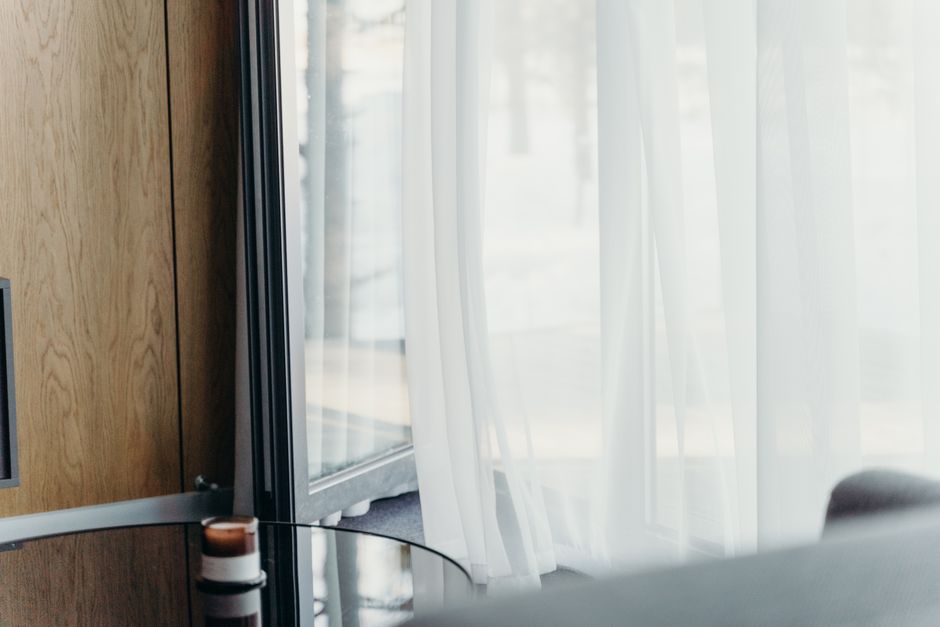
Introduction to Hotel Curtain Materials
Hotel curtains are far more than window dressing. They are a key element of guest comfort, branding, and operational efficiency. The right curtain materials can transform a room from a simple sleeping space into a cocoon of rest, privacy, and style. However, choosing the best materials for hotel curtains goes beyond aesthetics. It involves balancing durability, safety, acoustic performance, light control, and maintenance, all while meeting strict hospitality standards. In this comprehensive guide, we explore the leading fabric materials used in premium hotel curtains and provide practical advice on how to evaluate them for your property.
___PROTECTED_1___
Key Factors to Consider When Choosing Hotel Curtain Fabrics
Before selecting any textile, hotels must assess a mix of functional and experiential factors. The material you choose will affect everything from energy costs to guest satisfaction. Here are the core criteria to keep in mind:
- Durability: Hotel curtains endure frequent opening and closing, laundering, and sunlight exposure. Materials must withstand heavy use without fading, fraying, or losing shape.
- Flame retardancy: Fire safety is non-negotiable. Curtains must meet local, national, and international regulations, such as NFPA 701, BS 5867, or equivalent standards.
- Light control: Depending on the room orientation and guest needs, you may need blackout, dim-out, or sheer light-filtering options.
- Acoustic properties: In urban hotels or rooms near busy areas, noise reduction significantly improves the guest experience. Heavy, multi-layer fabrics help absorb sound.
- Aesthetics: The fabric’s texture, color, and drape must align with the interior design brand and create a welcoming atmosphere.
- Maintenance: Easy-care materials are essential. Look for fabrics that are washing machine-safe, quick-drying, and resistant to wrinkles and stains.
___PROTECTED_2___
Best Materials for Hotel Curtains
1. Blackout Fabrics: The Foundation of Hotel Sleep Comfort
Blackout curtain fabrics are the unsung heroes of the hospitality industry. They ensure complete darkness, which helps regulate melatonin and supports deeper sleep, especially in metropolitan areas with ambient light. The most effective blackout materials are typically made from tightly woven polyester or a blend with foam-backed or acrylic-coated finishes.
Polyester-based blackout fabrics are popular because they are inherently strong, shrink-resistant, and hold color well. Triple-weave and multi-pass foam coating are two common techniques. The triple-weave structure uses an interlayer that blocks light without the need for chemical coatings, making it a more eco-friendly option. Foam-coated fabrics, on the other hand, offer added insulation but may crack or degrade over time if not properly cared for.
For hotels, we recommend selecting blackout fabrics that are also flame-retardant and have a water-repellent finish. These materials are ideal for guest bedrooms, south-facing windows, and properties near streetlights or nightlife venues. When placed on drapery tracks with a light-blocking channel, blackout curtains can achieve near-100% light suppression.
2. Velvet: Luxury and Noise Dampening in One Layer
Velvet is the quintessential luxury hotel curtain material. Its dense pile reflects light beautifully and delivers a plush, tactile richness that immediately elevates a room’s style. Velvet curtains are often made from cotton, polyester, or a blend of synthetic and natural fibers. The best hotel-grade velvets combine cotton for a classic look with polyester to enhance durability and manage shrinkage.
From a functional standpoint, the dense pile naturally provides moderate acoustic absorption, which makes it a second-line defense against outside noise. Velvet is also an excellent insulator for both heat and cold. For visual impact, velvet’s elegant folds and deep colors create a sense of opulence that photographs well and impresses guests.
However, velvet is heavier and bulkier than other materials, requiring reinforced curtain rods and robust operating systems. Its pile can trap dust, so regular vacuuming and steam cleaning are essential. In guest rooms, velvet is best used as a standalone layer or paired with a sheer backdrop to achieve both prestige and privacy.
3. Sheer Fabrics: Elegant Light Diffusion and Privacy
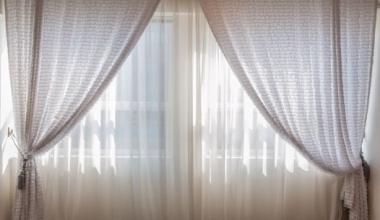
Sheer curtains are designed to diffuse daylight, create a soft ambiance, and offer daytime privacy. Though they do not block light or sound, they are frequently used in hospitality as a first layer beneath blackout curtains or as stand-alone treatments in lobbies, dining areas, and corridors where brightness is desired.
Most sheers used in hotels are woven from polyester, which is durable, resists staining, and holds crispness exceptionally well. Some high-end properties choose silk blends for an ultra-luxurious drape, but synthetic fibers are much easier to maintain and comply with fire safety standards. Modern sheers can also incorporate UV filters that protect furnishings and artwork from sun damage.
Choosing the right sheer opacity is critical: 100% transparent sheers are too revealing for ground-floor rooms, while heavily frosted styles may block too much daylight. A 6–8% openness factor is a popular hotel standard, as it strikes a balance between privacy and view.
4. Acoustic Curtain Fabrics: Beyond Noise Reduction
Acoustic curtain fabrics are designed with sound absorption in mind, using heavyweight compositions and textured surfaces to reduce reverberation and dampen external noise. While no curtain can completely block sound, acoustic textiles can lower perceived noise levels by up to 10 dB, which is noticeable to the human ear. They work best when installed with generous gathers from floor to ceiling and wall to wall.
The material is often a dense, multi-layered polyester with a faux-suede or insulating interlining. Some acoustic curtains incorporate recycled fibers to achieve both high absorbency and sustainability. The Mass per Square Meter is a key specification; curtains weigh more than 250 g/m² generally provide better sound damping.
Hotels in city centers, international airport areas, or venues with lively ballrooms can use acoustic curtains to improve guest sleep and meeting privacy. When paired with blackout liners, these materials also perform in daylight.
5. High-Performance Polyester Blends: The Versatile Standard
Beyond the big three categories, the workhorse of hotel curtains is a high-performance polyester blend. Many hotels today opt for solution-dyed fabrics with PVC-free finishes that offer excellent color fastness, fire resistance, and microbial protection. These blends can be engineered to mimic the hand feel of natural fibers while delivering far higher durability.
For instance, a 70% polyester and 30% cotton mix provides comfort and aesthetics while maintaining the innate strength and resistance to fading of synthetic fibers. Such fabrics also meet strict flammability standards without chemical aftertreatments, making them safe for guest corridors and function rooms.
Fire Retardancy: A Non-Negotiable Factor
When choosing materials, always confirm that the fabric meets the fire safety codes of your region. In the U.S., NFPA 701 is common; in Europe, it may be EN 13773 or BS 5867. Materials should be inherently flame-retardant or treated with environmentally safe processes.
It is also worth asking the manufacturer for test reports and certificates. Do not rely on fabric distributors to provide compliant products at delivery; audit each lot to guarantee consistency. Synthetic fibers like polyester and nylon are inherently less flammable than cotton, but treatments may still be required. If you want to avoid chemical additives, look for inherently FR polyester or modacrylic blends.
Comparing the Top Materials at a Glance
| Material | Main Benefits | Ideal Application | Care Difficulty |
|---|---|---|---|
| Blackout (Polyester / Foam) | Full light blockade, thermal insulation, medium durability | Guest bedrooms, homes, cinemas | Easy (professional wash) |
| Velvet (Cotton/Poly) | Luxurious drape, acoustic damping, warmth | Presidential suites, lounges, fine dining | Harder (dry clean only) |
| Sheer (Polyester / Silk) | Light diffusion, privacy, airy feel | Lobbies, breakfast areas, layered window coverings | Moderate (gentle wash) |
| Acoustic (Heavy polyester) | Sound absorption, privacy, insulation | City rooms, corridors, banquet halls | Moderate (dry clean) |
The Art of Layering Curtain Materials
Many hotel projects use more than one material in the same window. A typical guest room will feature a sheer inner layer to diffuse sunlight during the middle of the day, plus an outer blackout panel that closes at night for complete darkness. Adding a decorative velour or velvet trim not only enhances design but also helps seal light gaps.
Layering also provides acoustic benefits: the combination of a sheer and a heavyweight outer layer creates an air gap that aids sound attenuation. To maximize effectiveness, choose a curtain track with overlap and use a valance to hide light leakage at the top. In that way, you create a multi-functional system without sacrificing elegance.
Care and Maintenance: Preserving the Investment
Hotel curtains are heavily used and must be cleaned regularly. However, improper laundering can cause shrinkage, loss of fire treatment, or defects. Follow these material-specific tips:
- Blackout curtains: Vacuum with a brush attachment weekly. Spot clean with mild soap and water. Machine washing is possible only if the fiber is 100% polyester and the foam backing is PVC-free.
- Velvet fabric: Never wring or press velvet. Dry clean only to maintain the pile. Steam from behind to remove creases and freshen fibers.
- Sheer fabric: Machine wash on a very gentle cycle with cold water and neutralize soap residue. Hang to dry – heat will damage the fibers.
- Acoustic drapes: Due to their weight, professional drapery cleaners should handle them. Request a dry steam finish to remove dust and odors.
- Always check the label: Hotels with high turnover may choose easy-care fabrics that survive 20 to 30 professional washes without losing flame retardancy. Ask suppliers for wash tests.
Final Thoughts: Selecting the Best Material for Your Hotel
The best materials for hotel curtains are those that meet your property’s specific needs across safety, comfort, and appearance. Blackout polyester provides functional sleep performance, velvet adds a luxurious touch, sheers create brightness and elegance, and acoustic fabrics take comfort to a new level of calm. High-performance blends combine the strengths of all categories.
As a general rule, order swatches and fire test samples before committing. Partner with manufacturers who understand the hospitality industry’s exacting demands and can offer documentation for every batch. With the right materials, your curtains will not only beautify each room, but also contribute to an exceptional guest experience that earns revenue through great reviews and repeat visits.
Need help selecting curtain fabrics for your hotel? Explore our hospitality textile collection, request sample cards, and speak with a specialist who can guide you through compliance and design. The right curtain fabric is a one-time investment that pays dividends in guest satisfaction for many years to come.