Hotels present a unique set of challenges when it comes to window treatments. Hotel curtains must not only look luxurious and inviting, but they also need to be durable, easy to maintain, and capable of providing total darkness for guests at any hour. This comprehensive guide answers the most frequently asked questions about hotel curtains, helping you make confident decisions for your property.
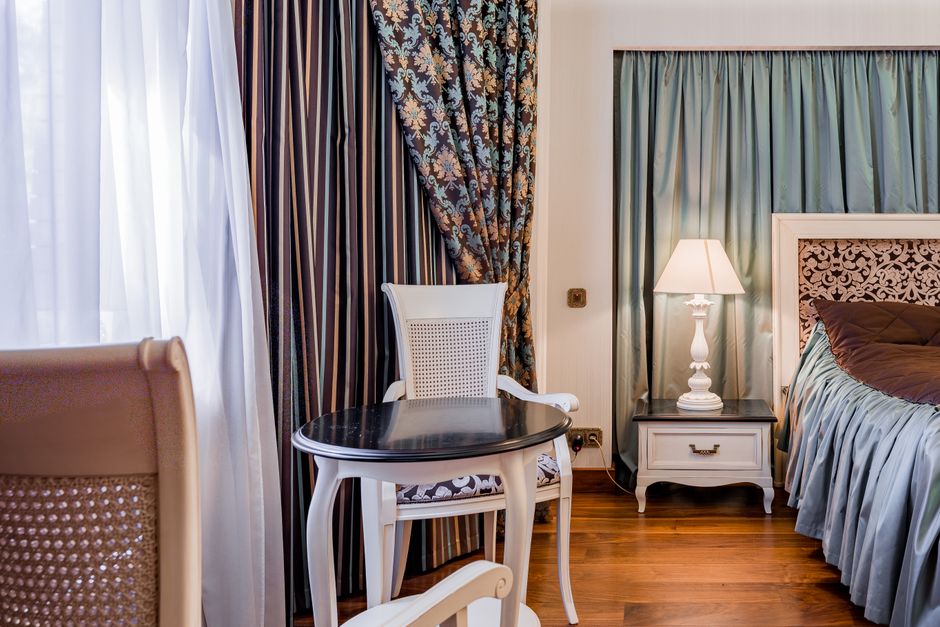
What Are the Most Common Hotel Curtain Requirements?
Hotel curtains differ from residential drapes in several critical ways. They must withstand high-frequency use, frequent cleaning, and rigorous safety standards. When specifying curtains for a hotel, there are five primary requirements to keep in mind:
- Light control: Most guests expect complete darkness to sleep, regardless of the time of day. Blackout lining or opaque fabrics are non-negotiable for guest rooms.
- Privacy: Heavyweight or layered curtains must provide a visual barrier from the outside, especially in urban environments.
- Acoustic comfort: Noise from corridors, streets, or neighboring rooms is a common complaint. Acoustic curtains or heavy velvet drapes can significantly reduce sound penetration.
- Fire safety: All hotel textiles must comply with local fire regulations, often requiring flame-retardant treatment or inherently flame-resistant fibers.
- Aesthetics and branding: Curtains are a large visual element in any room. They should complement the hotel's interior design and convey the desired ambiance, whether that is business-like, boutique, or resort-style.
Meeting these requirements often means layering different types of curtains, such as a sheer face cloth for daylight privacy and a blackout or velvet outer drape for nighttime.
___PROTECTED_1___
What Types of Curtains Are Best for Hotels?
Choosing the right curtain style and construction is just as important as selecting the fabric. Here are the most commonly used curtain types in hotels.
Eyelet or Grommet Curtains
These feature metal rings that slide directly onto a rod. They are easy to install and operate, but the rod is visible and the folds are less formal. Eyelet curtains can work in modern or casual hotels, but they are often less common in upscale properties because of the exposed rod hardware.
Pinch Pleat Curtains
Pinch pleat curtains are the traditional and most elegant choice. The fabric is sewn into pleats that hold the curtain's shape, often with hooks that attach to a traversing rod. This creates a classic, full look and allows for smooth operation when the curtain is pulled. Pinch pleats are available in three-finger or double-pinch variants and suit a wide range of hotel décor from classic to transitional.
Wave Fold Curtains
Wave fold curtains create a modern, continuous wave of fabric without visible pleats. They hang from a specially designed track using hooks or gliders that produce a uniform S-curve. This style is favored by contemporary hotels because it offers clean lines and space-saving benefits when open.
Sheer Curtains
Sheer curtains are often used as a first layer next to the glass. They allow soft, diffused natural light to enter while providing privacy during the day. Sheers also add a sense of luxury and depth. In hotels, sheers are usually fixed or motorized, and they act as a barrier against insects when the main curtains are drawn.
Blackout Curtains
These are the workhorses of hotel sleeping rooms. A true blackout curtain is made with a tightly woven, coated, or interlined fabric that blocks 95% to 100% of external light. They are essential for night-shift workers, jet-lagged guests, and parents with young children. Blackout curtains should also have a high thread count or a sound-absorbing interlining to reduce noise.
Acoustic Curtains
Acoustic or soundproof curtains are manufactured with dense, multi-layer weaves or special acoustic baffles. While no curtain can stop all noise, acoustic curtains can reduce mid-to-high frequency sounds by up to 50%. They are especially useful in airport hotels, city properties, or rooms facing busy roads and rail lines. Often, acoustic curtains are made from velvet, which is naturally dense, or from a combination of blackout backing and a heavyweight face fabric.
Motorized Curtains
Motorization is becoming a standard amenity in luxury and tech-savvy hotels. Motorized curtains can be operated by bedside switches, wall panels, or smart phone apps. They offer convenience, a sleek appearance, and help reduce wear and tear on the fabric. They are almost essential for hard-to-reach atrium windows or large floor-to-ceiling drapes.
___PROTECTED_2___
How to Choose the Right Fabric for Hotel Curtains?
Fabric selection affects appearance, durability, maintenance, and cost. Below is an overview of popular curtain fabrics and how they rate on the needs of a hotel.
| Fabric Type | Appearance | Light Control | Acoustic Performance | Durability | Maintenance |
|---|---|---|---|---|---|
| Polyester | Versatile | Good (with lining) | Moderate | Excellent | Easy, machine-washable |
| Velvet | Luxurious | Excellent | High | High when woven | Dry clean or gentle cycle |
| Blackout lining | Matte | Excellent (100% block) | Moderate | Great | Wipe or dry clean |
| Acoustic fabric | Modern | Good | Excellent | Good | Special care |
| Sheer / Voile | Sheer and light | Very low | Low | Moderate | Easy |
When choosing fabric, also consider the following:
- Flame retardancy: Look for fabrics that meet NFPA 701 or other local standards. Some treatments are permanent, while others can diminish with cleaning, requiring periodic re-treatment.
- Colorfastness: Hotel curtains are exposed to sunlight. High-quality dyes and UV-resistant finishes prevent fading over time.
- Wear resistance: The martindale test measures fabric durability. For commercial use, aim for at least 20,000–30,000 rubs.
- Dimension stability: Fabrics that shrink or stretch after washing could cause operational problems. Polyester blends are generally more stable than natural fibers.
What Are the Key Safety and Compliance Standards for Hotel Curtains?
Fire safety is arguably the most important compliance standard for hotel curtains. Most countries and states have strict building codes that govern the use of textile draperies in places of public accommodation. Here are the primary standards you may encounter:
- NFPA 701 (National Fire Protection Association, USA): This is a standard for flame-propagation tests for textile wall coverings and window curtains. Hotel curtains should be tested and certified as flame-retardant.
- BS 5867 (British Standard): A common European standard for curtains and drapes used in high-risk buildings. It is often a requirement in UK and European hotels.
- CPAI-84 (Canvas Products Association International): Used for tents and awnings, but occasionally referenced for outdoor or semi-outdoor window treatments.
- Cal. Title 19 (California): A strict local set of regulations that mandates flame resistance for materials used in public buildings.
Beyond flammability, hotels must also pay attention to the corded window covering safety. Since 2018, many jurisdictions, including the U.S., have banned the sale of corded window coverings that pose a strangulation risk. For hotels, this means using motorized systems, cordless lift systems, or having cords that are inaccessible (e.g., secured with a tension device).
How Do You Clean and Maintain Hotel Curtains?
Curtains should be cleaned regularly to remove dust, allergens, and odors, and to maintain the hotel's fresh, hygienic image. However, frequent washing can damage blackout coating or fire-retardant finishes. Proper maintenance extends the life of your curtains.
Vacuum regularly
Use an upholstery attachment to vacuum curtains every week. This removes surface dust and prevents it from settling into the fabric fibers. For sheers, use a low-suction setting.
Spot cleaning
Treat small spots immediately with a mild solvent or a diluted detergent. Rather than rubbing (which spreads stains), blot gently from the edge of the stain inwards.
Professional dry cleaning
Most hotel curtains, especially those with linings or velvet, require professional dry cleaning. Plan for a full clean at least twice a year, or more often if the curtains are exposed to cigarette smoke, kitchen odors, or high pollution. When dry cleaning, request that the curtains be re-pressed with steam to remove wrinkles and re-hung as quickly as possible to avoid them falling out of shape.
Check the fire retardant finish
Some fire retardant finishes are water-soluble and will break down after multiple cleanings. Inquire with your dry cleaner or fire-retardant supplier about re-treatment after every 3–5 washes. Always check the manufacturer's care label.
Operate curtains carefully
Train your housekeeping staff to open and close curtains by the hem or lining edge, not by pulling on the fabric. Pulling on tassels or the edge can stress the pleats and cause the drapery to drift. Also, ensure that curtain cords or chains are not kinked, as this can cause uneven wear.
When Should Hotel Curtains Be Replaced?
With an average lifespan of 5 to 8 years, hotel curtains will eventually show signs of wear. Look out for these indicators that it's time to invest in new curtains:
- Fading or discoloration: Sun damage on the side facing the window is a common issue. Once the hue is uneven, the room looks shabby.
- Stretching or loss of shape: The fabric may stretch out of its pleats or pile, especially in high-humidity climates.
- Thinning or fraying: Check the fabric along seams, bottoms, and at the heading. Frays create an unkempt appearance.
- Persistent odors: Odors that survive cleaning require complete replacement of the textile.
- Outdated style: Hotel renovations should include curtains, as they are often a major visual element. If the curtains clash with new furniture, they will undermine the overall guest experience.
- Reduced light blocking: With repeated washing, the blackout lining may crack or delaminate. This allows streaks of light to infiltrate the room.
Consider buying extras when you invest in new curtains. This ensures color consistency if you need to replace a single panel later.
Frequently Asked Questions From Hotel Operators
How many curtain panels do I need for a hotel window?
A simple rule of thumb is that the total width of your curtain panels should be at least 2 to 2.5 times the width of the window track or rod. For a standard hotel window of 1.2 meters wide, you may need two panels of 1.5 meters each or a single pair of panels that together measure 2.4–3 meters wide. This allows the curtains to close fully and create full, elegant folds.
Should I choose two layers of curtains or one?
Almost always, two layers are preferable. A sheer outer layer provides privacy and soft daylight, while a blackout inner pair allows guests to shut out the world for sleeping. In some cases, hotels combine them into a single layer with a blackout interlining, but that sacrifices some versatility.
Can I use ordinary home curtains in a hotel?
No, hotel curtains need to be compliant with commercial fire safety standards, withstand professional cleaning, and offer high performance in terms of light and noise reduction. Residential curtains are often not suitable for the intensity of use that hotel rooms experience.
What is the best location for a curtain motor box?
It depends on the window and the desired aesthetics. Wall-mounted motors are easiest to install in the ceiling or recessed behind the cotta. If you have a bay window or french windows, you may require a custom system. Work with a professional drapery workroom to ensure you leave space for back-board or batten mounts.
How do I prevent curtains from going missing or being stained?
Some hotel operators sew or bond a small security tab to the curtain that attaches to the track to prevent removal. Obviously, stains are best prevented by clear housekeeping guidelines, using tie-backs, and by providing guests with laundered spill-proof their covers? In reality, you cannot fully prevent stains, but using dark or patterned fabrics can disguise small spots.
Conclusion
Selecting the right curtains for your hotel involves balancing aesthetic needs with operational durability, comfort, and safety. By understanding the demands of light control, sound proofing, and fabric maintenance, you can create a serene and functional room environment. Always work with a reputable supplier who can provide certified fire-retardant fabrics and guide you on the best combination of sheers, blackout, or acoustic curtains. Well-chosen curtains are an investment in guest satisfaction and brand reliability, one that will last for many years.