Introduction
When designing a hotel, every material choice plays a role in shaping the guest experience. Curtains are far more than window coverings – they manage light, noise, privacy, and atmosphere. For interior designers working on hospitality projects, selecting the right curtain fabrics is a balancing act of aesthetics, performance, and budget. This guide offers a comprehensive overview of hotel curtain design, fabric selection, and installation considerations to help you create spaces that are both luxurious and functional.
___PROTECTED_1___
Understanding Hotel Curtain Requirements: Functionality and Aesthetics
Hotels present unique challenges that residential spaces rarely have. Curtains in a hotel room or lobby must withstand high frequency use, frequent cleaning, and sun exposure while maintaining a pristine appearance. They also need to cater to different guest preferences – from full blackout for deep sleep to sheer layers that offer daylight privacy.
Functionality should always take precedence in hospitality design. A curtain that looks stunning but fails to block light in a city hotel can lead to guest complaints and negative reviews. Similarly, a fabric that is too fragile will show wear after just a few months of guest use. The key is to choose durable, high-performance fabrics that complement the interior palette and lighting strategy.
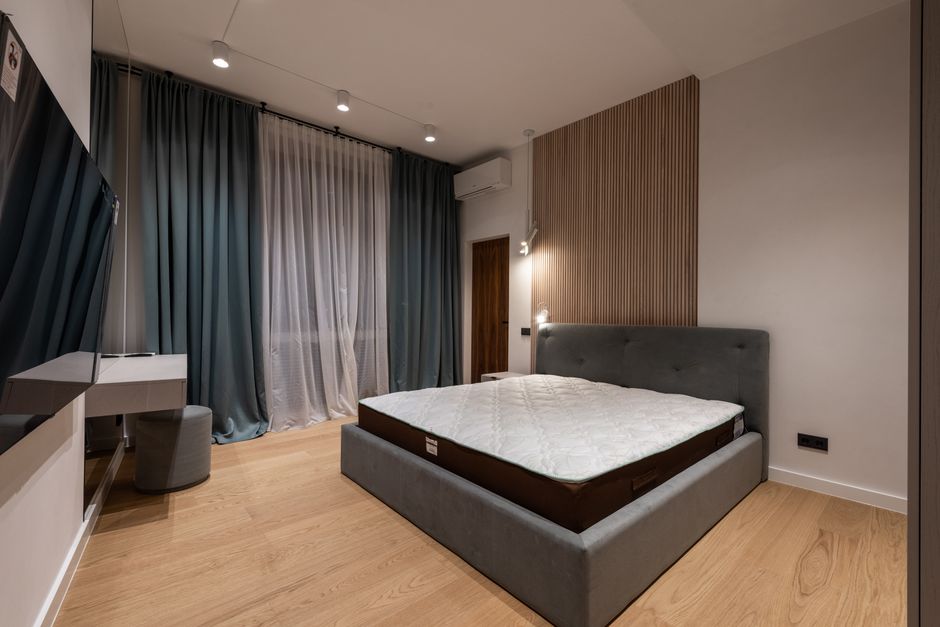
From a designer’s perspective, hotel curtains should be seen as part of a layered window treatment system. Typically, this involves a sheer panel closest to the glass, a blackout layer in the middle, and often a decorative front or top treatment. Each layer serves a purpose, and all must work together seamlessly when operated.
___PROTECTED_2___
Choosing the Right Fabric: Blackout, Sheer, Velvet, and Acoustic
The fabric choice is the heart of any curtain design. In the hotel sector, four main fabric types dominate: blackout, sheer, velvet, and acoustic. Each offers specific properties that suit different hotel areas, from guestrooms to conference halls.
Blackout Curtains
Blackout curtains are essential for guest bedrooms. They are designed to block external light, which helps guests sleep well regardless of the time of day. The most effective blackout fabrics feature a triple-weave construction or a specialized foam backing that prevents light penetration. When specifying blackout curtains for a hotel, check the fabric’s opacity rating – look for fabrics with a light-blocking rate of 99% or higher for optimum results.
In addition to light control, good blackout fabrics also provide insulation benefits, helping to stabilize room temperatures and reduce energy costs. Choose a blackout fabric with a soft touch exterior and a clean, light-reflective backing to enhance the room’s thermal efficiency.
Sheer Curtains
Sheer fabrics add an airy, elegant touch while diffusing daylight and providing privacy during daytime. In hotel lobbies and dining areas, sheers create a welcoming soft ambiance. Sheer curtains are typically used in combination with blackout curtains in guestrooms offering guests both privacy and natural light. When selecting sheers, opt for tightly woven materials like polyester or even silk blends that resist sagging and maintain their drape over time. Since sheers are exposed to sun, UV resistance is crucial to prevent yellowing and fading.
Velvet Curtains
Velvet brings a sense of luxury, depth, and acoustic absorption that no other fabric can match. Velvet curtains are perfect for high-end suites, restaurants, and function spaces where a sophisticated, dramatic look is desired. Modern performance velvets are often made from synthetic fibers like polyester, which offer the rich texture and sheen of natural velvet with improved durability, stain resistance, and ease of cleaning. Velvet also naturally helps in sound absorption due to its dense pile, making it a dual-purpose choice for noisy locations.
Acoustic Curtains
Acoustic curtains are designed to reduce sound transmission, which is a growing need in hotels located near busy streets, airports, or events spaces. These curtains are constructed from heavyweight, multi-layered materials that contain sound-dampening components, often made from recycled cotton or technical fibers. While they are not a total replacement for acoustic glazing, they can significantly reduce ambient noise and echo within a room. In conference rooms and banquet halls, acoustic curtains can improve speech intelligibility and overall comfort. When specifying acoustic curtains, check the Noise Reduction Coefficient (NRC) rating. A rating of 0.5 or above is suitable for most hotel applications.
| Fabric Type | Primary Benefits | Best Hotel Applications | Key Considerations |
|---|---|---|---|
| Blackout | Light blocking, thermal insulation | Guest bedrooms, residential suites | Look for 99% opacity, triple weave |
| Sheer | Daylight diffusion, privacy | Lobbies, lounges, dining areas | UV resistance, wrinkle-free polyesters |
| Velvet | Luxury, acoustic absorption | Premium suites, ballrooms, bars | Use performance polyester velvets |
| Acoustic | Sound reduction | Conference rooms, event halls, lobbies | NRC rating ≥ 0.5, heavyweight layers |
Color and Pattern Strategies for Hotel Interiors
The color and pattern of curtains should align with the brand identity and the desired emotional response from guests. In luxury hotels, neutral tones like beige, taupe, and soft greys are often used to create a serene, timeless backdrop. These colors also make rooms feel more spacious and light-filled. Accent colors can be introduced through furnishings and decorative trims rather than large curtain panels.
For heritage or boutique hotels, bolder patterns such as damasks, florals, or geometric designs can add character and reflect the local culture. When using patterns, consider the scale: large patterns are suited to tall ceilings and spacious windows, while smaller, subtle patterns work best in compact guestrooms. Always pair patterned drapery with solid blackout liners to avoid visual clutter and to ensure the pattern maintains its richness on the reverse side.
Lighting also affects how a color appears. Always evaluate curtain fabric under the same lighting conditions as the final installation. Use a lighting lab or sample panels in the actual room to avoid unpleasant color shifts under warm or cool LED lighting.
Key Design Considerations: Size, Headrail and Operation
Proper measurements are critical for hotel curtains. An incorrectly sized curtain can ruin the entire visual effect and allow light leakage. Here are some practical tips:
- Fullness: For hotel guestrooms, a fullness ratio of 2.5 to 3 times the width of the window is recommended. This creates a plush, full drape that looks elegant when closed.
- Length: Curtains should kiss the floor or have a 1-2 inch break. Skirted curtains that puddle may look beautiful but are impractical in hotels due to dust accumulation and safety hazards.
- Overlap: Ensure sufficient overlap in the middle of two-panel curtains to prevent light gaps. Use a center overlap on the track for a perfect seal.
- Stackback: When curtains are open, the fabric stacks on each side. Allow at least 15-20% of the window width for stackback so that the window is fully exposed.
- Headrail and hardware: Use heavy-duty tracks or rods that can support the weight of the fabric, especially for velvet or acoustic curtains. Choose a system that allows smooth manual or motorized operation.
- Motorization: In high-end hotels, motorized curtains are a luxury expected by guests. Automating blackout curtains can improve circadian rhythms by timing them to wake guests gently with natural light. Motorized systems also reduce wear and tear on fabrics because they are handled less.
Durability and Maintenance: Fabric Performance and Care Tips
Hotel curtains must be durable enough to withstand professional laundering, dry cleaning, and direct sunlight for years. The fabric’s finish is just as important as its weave. Choose cubicle or hospitality-grade curtain fabrics that are treated with anti-microbial and anti-static finishes, especially for guestrooms. These finishes prevent the growth of mold and mildew in humid environments and reduce the attraction of dust.
For actual care, establish a maintenance schedule. Guestroom curtains should be vacuumed weekly to remove dust and allergens. Stains should be spot-cleaned immediately using professional-grade cleaners. Most hotels have liners and curtains dry cleaned or laundered every few months depending on occupancy. Always follow the manufacturer’s instructions but be prepared for frequent washing. This is why polyesters and synthetic blends are popular in hospitality: they are more resistant to shrinkage, fading, and wrinkling compared to natural fibers.
If using natural fabrics like silk or linen, consider blending them with synthetic fibers or applying a protective backing. Also, incorporate flame-retardant treatments in line with local fire safety regulations. In many countries, hotel curtains must meet specific flame spread standards. Ensure your fabric supplier provides certificates that comply with local building codes.
Compliance and Industry Standards for Hospitality Curtains
Curtain fabrics used in public buildings are subject to strict safety regulations, especially regarding fire. In the United States, for example, draperies in commercial buildings must comply with NFPA 701 or the California State Fire Marshal Title 19 standards. In Europe, curtains must meet EN 13773 or similar class C requirements. These standards determine the fabric’s flammability and its ability to self-extinguish.
As an interior designer, you should request a certificate of compliance for every fabric you specify, and double-check that the final treatment (including linings) has been tested as a complete assembly. Some flame-retardant treatments may reduce the fabric’s light-blocking ability or alter its texture. Work closely with the curtain manufacturer to maintain the required performance standards without compromising aesthetics.
Additionally, hotel curtains should be supplied with appropriate care labels that include laundering codes and flammability information. This helps housekeeping staff follow the correct procedures and ensures safety compliance throughout the curtain’s lifetime.
Case Studies: How Different Hotel Types Use Curtains
If you are working on a specific hotel project, understand the segment and guest profile. A city convention hotel has different curtain needs than a beach resort or a boutique spa hotel.
City Business Hotel
In a busy metropolitan hotel, the main goals are noise reduction and light control for guests who may be sleeping during the day. For this type of hotel, choose acoustic sheer and triple-woven blackout curtains. Neutral, low-sheen fabrics in shades of grey or navy are both practical and chic. Automatic blackout curtains that close with a bedside switch are especially valued by business travelers.
Boutique Resort
Resort hotels seek to bring the outdoor in. Large expanses of glass in rooms face stunning views, so curtains should be light and unobtrusive when open. A lightweight sheer with a soft flame treatment allows natural light to filter into the room, while an opaque blackout shade hides beneath a valance for evenings. Textured fabrics like linen blends in warm naturals work beautifully in this setting, connecting the interior to the tropical or rural environment.
Luxury Heritage Hotel
For a luxury property in a historical building, interior design often aims for grandeur and opulence. Here, velvet curtains with tassel tiebacks and contrast linings become a centerpiece. Use rich jewel tones or soft pastels to complement the architecture. Because these spaces tend to have tall windows, invest in heavy-duty ceiling-mounted tracks and motorized operation to make moving the expansive curtains effortless for staff and guests.
Conclusion: Partnering with a Curtain Expert
Designing curtains for a hotel is a multifaceted process that demands expertise in design, textile technology, and safety regulations. By understanding the distinct roles of blackout, sheer, velvet, and acoustic fabrics, and by paying attention to color, sizing, and maintenance, you can ensure that your hotel interior is both beautiful and high-performing.
Always source materials from established hospitality fabric suppliers who can provide samples, technical data, and international compliance certificates. Work with qualified curtain workrooms that specialize in hotel installations. And don’t hesitate to request mock-up rooms or full-scale prototypes before placing large orders; this allows you to test light, acoustics, and operation in a real environment.
Ultimately, curtains are a silent but powerful element of the guest experience. Make your choices count by integrating durable, functional, and aesthetically pleasing fabrics that will stand the test of time and elevate your hotel’s brand. Talk to a curtain expert today to ensure your next hotel project is a success.