For hotel architects and interior designers, selecting the right curtains is far more than a finishing touch—it is a strategic decision that affects guest comfort, energy efficiency, brand identity, and operational longevity. This comprehensive guide walks you through every critical consideration, from fabric selection to installation and maintenance, so your next hotel project delivers five-star aesthetics and performance.
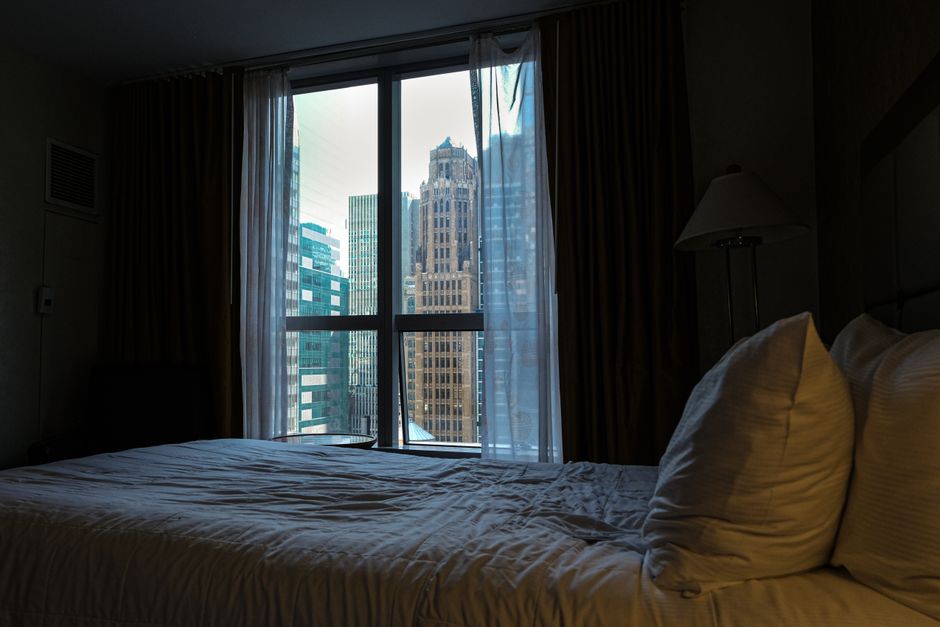
Why Curtains Are a Structural Element in Hotel Design
Curtains in hotels act as multifunctional tools. They provide privacy, control natural light, absorb sound, contribute to thermal regulation, and reinforce the design narrative of each room. Unlike residential windows, hotel curtains face 24/7 usage, frequent laundering, and exposure to varying humidity and sunlight. Therefore, the architect's role is to balance beauty with durability and functionality.
In a typical guest room, window coverings cover an average of 3–5 square meters per window. With hundreds of rooms, the volume of fabric alone makes this a significant procurement item. Moreover, curtains influence housekeeping turnaround times—ironing, re-hanging, and inspection. Selecting fabrics that are easy to maintain can lower operational costs dramatically.
___PROTECTED_1___
The Five Essential Functional Layers
A professional hotel window treatment usually combines multiple layers to meet all performance needs. The common architecture is:
- Sheer layer: Offers daytime privacy while allowing diffused light.
- Backing layer: Protects face fabric from UV damage and adds an insulation barrier.
- Blackout liner: Blocks external light entirely for night sleep.
- Decorative face fabric: Delivers the visual style and texture (e.g., velvet, polyester blends).
- Acoustic layer: Often integrated into heavy velvets or added as a separate panel for noise reduction.
However, modern textile innovation now offers multi-functional fabrics, such as blackout velvet that also provides acoustic absorption. Knowing which layers to combine is key to cost control and performance.
___PROTECTED_2___
Fabric Selection Deep Dive
Blackout Fabrics: The Non-Negotiable for Guest Sleep
In hospitality, light pollution is a top complaint. Blackout curtains are essential for all guest room windows, especially those facing city lights or east-facing sunrise. Look for fabrics with a three-pass coating or tightly woven cores. The ideal opacity is 100%, but certification standards often allow <3% light transmission. For architects, specify fabrics that meet ASTM E1347 or equivalent.
Practical tip: Always request a physical sample and hold it against a bright light source to check for pin-holes. Also, verify that the blackout coating does not have a strong odor, which could off-gas in fresh rooms.
Sheer Fabrics: Layering Light and Space
Sheers are the first line of defense during daytime. They reduce glare, protect furniture from UV fading, and offer outward visibility while maintaining inward privacy. Choose plain weaves, leno weaves, or slub silk-like polyesters. For hotels, 100% polyester sheers are more practical than natural silks because they resist wrinkles and can be machine washed.
Consider the fabric's openness factor—usually 95%–98% shade. A good sheer should still diffuse sunlight beautifully. For lobby areas, floor-to-ceiling sheers create a dramatic, airy effect.
Velvet Fabrics: Luxury, Acoustic Value, and Style
Velvet is a designer favorite for hotel lobbies, suites, and executive rooms. Its dense pile traps air, providing inherent thermal and acoustic insulation. When blended with blackout lining, velvet becomes the ultimate in luxury comfort. However, velvet is susceptible to crushing and watermarks. For high-use areas, consider crushed velvet? No—choose high-performance polyester velvet with a stain-resistant finish. The pile height matters: short pile (1–2 mm) is easier to maintain than long pile.
You can also specify flame-retardant velvet, which is crucial in many jurisdictions for hospitality curtains. Always verify local fire codes (e.g., NFPA 701 in the US, BS 5867 in the UK).
Acoustic Curtains: Engineering Sound Comfort
Guest complaints about noise are common. Acoustic curtains contain dense, mass-loaded fabrics or have special weave structures to absorb and block sound. Their performance is measured by the Noise Reduction Coefficient (NRC) or Sound Transmission Class (STC). For typical hotel rooms, aim for an NRC of 0.6 or higher when curtains are closed. Full floor-to-ceiling and wall-to-wall installations dramatically improve effectiveness, because they seal sound gaps around windows.
If you need to avoid the heavy look, combine a standard acoustic fabric layer with a stylish decorative fabric. This layered approach also enables easier washing of the inner acoustic layer.
Technical Specifications Every Architect Should Specify
| Specification | Guest Room Recommendations | Suite / Lobby Recommendations |
|---|---|---|
| Fabric Composition | 100% polyester or polyester-blend for durability | Polyester + high-end face (e.g., cotton velvet blend) |
| Opacity | 100% blackout with 3-pass coating | 80–95% blackout for layering |
| Flame Retardancy | NFPA 701 / BS 5867 compliant | Same, plus CA Title 19 for public spaces |
| Weight | 200–300 g/m² for blackout face | 350–500 g/m² for velvet/thermal |
| Washability | Machine washable at 40°C, low tumble dry | Dry clean preferred, or specific care method |
| Width (drop) | Floor-length with 2–3 cm clearance | Puddle or floor-length depending on style |
| Acoustic NRC | 0.3–0.5 (typical) | 0.6+ for lobbies, meeting rooms |
| Lightfastness | Minimum 4–5 on the Blue Wool Scale | 5 for sunny climates |
Track Systems and Installation Considerations
The best fabric cannot perform if the track and mounting are inferior. For hotel installations, follow these principles:
- Use ceiling-mounted tracks to maximize height and eliminate light gaps at the top.
- Cordless or motorized systems are safer and more convenient for guests, especially with large panels.
- Ensure the track is wall-fixed to withstand pulling force from heavy velvet.
- Add side channels to block light leakage at the edges.
Motorization is a growing trend in luxury hotels. Program them to open and close at set times, reducing housekeeping labor. For acoustic curtains, ensure a gap-free installation with brushed door seals.
Budgeting and Cost Optimization
Curtain costs vary widely. As a rule, allocate 0.5–1% of the total construction budget. To optimize:
- Buy fabrics in bulk from reliable mills that offer hospitality discounts.
- Choose standard widths to avoid waste.
- Use a single blackout liner supplier and a custom face fabric supplier.
Weigh the cost of laundering vs. replacement. Cheaper fabrics may appear affordable but might need replacement every 2–3 years, while quality polyester can last 5–7 years.
Compliance and Safety Standards
Every country has its own fire codes. The architect must verify the local regulations and obtain certificates from manufacturers. Also, consider safety requirements such as cordless operation (especially in the US under ANSI/WCMA A100.1) to prevent child entanglement. For hotels, it's wise to use only cordless or motorized shades in all guest areas.
Maintenance and Housekeeping Lifecycle
Curtains in guest rooms should be vacuumed weekly with a soft brush and washed quarterly or as needed. If you select fabrics with permanent wrinkle resistance, you eliminate the need for professional steaming before rehanging. For blackout linings, verify they are resistant to dry cleaning solvents.
Design the fold style to hide wear. High-traffic hotels often prefer double pleat or wave folding; these hide minor creases and maintain shape better than eyelet or grommet tops. Well-constructed heading tapes are crucial—they will be pulled daily.
Case Studies: Successful Hotel Curtain Implementations
Urban Business Hotel
A 250-room hotel near a busy downtown intersection used acoustic blackout curtains in every guest room. The result: a 40% reduction in outside noise complaints and a 15% increase in guest satisfaction scores for sleep quality.
Coastal Resort
A beachfront resort in Florida used UV-resistant sheer and blackout linings to protect interiors from salt and sun. The curtains maintained their color for 6 years, whereas the previous fabric faded within 2 years.
Boutique Historic Hotel
To preserve a heritage aesthetic, the design team installed fire-retardant velvet in rich jewel tones. The velvet, with an acoustic backing, helped dampen echoes in the ballroom while adhering to strict preservation codes.
Final Recommendations for the Architect
Begin the curtain selection process early, ideally during the schematic design phase. Work with specialized hospitality fabric suppliers who understand the unique demands of contract usage. Always request full-scale mock-ups in real lighting conditions. And never compromise on blackout quality—a good night's sleep is the core promise of any hotel.
By applying this knowledge, you will create spaces that are both spectacular and highly functional, boosting property value and guest loyalty.