Welcome to the Ultimate Hotel Curtain Resource Center. Curtains are far more than decorative elements in a hospitality setting. They define guest comfort, ensure privacy, regulate sleep quality, and even influence energy efficiency. For hoteliers, interior designers, and purchasing managers, selecting the right window treatments is a critical decision. This comprehensive guide explores the best fabrics for hotels, including blackout, sheer, velvet, and acoustic curtains, offers expert buying advice, practical care tips, and real-world application cases to help you transform your property.
Why Hotel Curtains Are Essential for Guest Experience
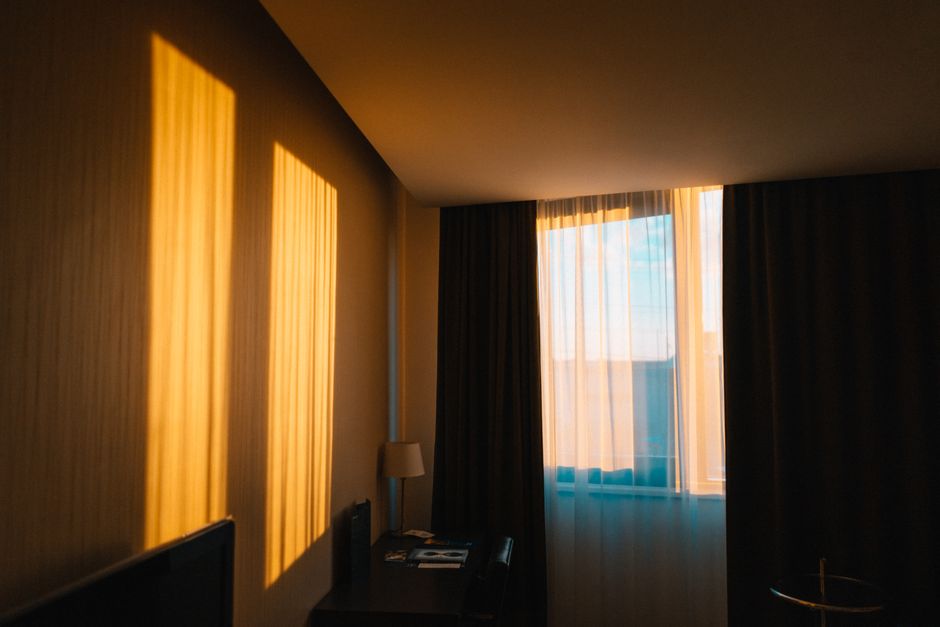
In the hospitality industry, curtains are a silent but powerful contributor to the guest experience. A well-chosen curtain can reduce outside noise, block unsightly views, and create an ambiance of luxury and calm. Conversely, worn-out or poorly chosen curtains can make a room feel dated and uncomfortable. Guests expect total darkness for a good night's sleep, privacy from passersby, and a space that feels acoustically warm. Curtains also protect room furnishings from sun damage and help reduce heating and cooling costs—making them a smart investment for any hotel.
___PROTECTED_1___
Core Curtain Fabric Types for Hotels
Understanding the properties of different fabrics is essential. Each hotel space demands a specific balance of light control, insulation, aesthetics, and maintenance. Below, we delve into the four most important fabric categories.
Blackout Curtains
Blackout curtains are non-negotiable for hotel bedrooms. They are engineered to block out up to 99% of external light, ensuring guests who need to sleep during the day (e.g., shift workers) or those sensitive to early morning sunlight get uninterrupted rest. Modern blackout fabrics often feature a three-pass weave or an acrylic foam coating. In addition to light blocking, they provide excellent thermal insulation, reducing noise penetration, and protecting valuable interior finishes from UV fading. When sourcing blackout curtains, look for certified fabrics with high light-blocking ratings and fire-retardant properties to meet hotel safety standards.
Sheer Curtains
Sheer curtains are typically layered behind or in front of heavier drapes. Their main purpose is to diffuse natural daylight while providing daytime privacy. Sheers allow guests to enjoy a view of the outside world with a soft filter, preventing people outside from looking in. They are available in cotton, polyester, silk blends, and increasingly the high-performance fibre glass or other synthetic blends for easy care. Hotel sheers should be lightweight yet durable; they will be opened and closed constantly. Choose fire-resistant sheers that maintain their shape after frequent laundering.
Velvet Curtains
Velvet is the fabric of luxury in hospitality. Its rich, thick pile creates a sense of opulence and absorbs sound effectively, making it an ideal choice for premium suites, restaurants, or lounge areas. A high-quality cotton or polyester blend velvet can also provide partial blackout properties. However, velvet requires more care; it is heavier and may be more prone to crushing. For hotel applications, choose a stain-resistant and fire-retardant velvet with a high durability rating to withstand thousands of open-and-close cycles.
Acoustic Curtains
Noise pollution from traffic, HVAC systems, or neighbouring rooms can ruin a guest's stay. Acoustic curtains are designed to reduce sound transmission using mass and dense materials. These are often thicker, with multiple layers including sound-absorbent interlining or coated vinyl formulations. While they do not completely soundproof a room, they can reduce perceived noise by 50% or more. Acoustic curtains are especially beneficial for hotels near airports, railway stations, or busy nightlife districts. Pair acoustic curtains with blackout linings for a dual-purpose solution.
___PROTECTED_2___
Choosing the Right Curtain for Every Hotel Area
Not every area of a hotel requires the same fabric. Here is a practical breakdown by space.
| Area | Recommended Fabrics | Key Considerations |
|---|---|---|
| Guest Bedrooms | Blackout + sheer layers | Total darkness, privacy, easy cleaning |
| Suites / VIP Rooms | Velvet or high-end faux silk with blackout lining | Luxury aesthetic, acoustics, decor impact |
| Conference Rooms | Acoustic + semi-blackout | Presentations, sound dampening |
| Restaurants / Lounges | Sheers or modern dim-out | Ambient light, mood setting |
| Banquet Halls | Remote-controlled blackout + acoustic | Ease of operation for versatile use |
Always work with an experienced curtain contractor who can provide full-scale mock-ups and assess how fabrics behave in your specific space, considering factors like ceiling height, track type, and window orientation.
Key Technical Features and Certifications
When sourcing hotel curtains, confirm these essential features:
- Fire Retardancy (FR): Mandatory for public and private areas. Look for NFPA 701 (US) or BS 5867 (UK/EU) certifications.
- Light Blocking Rating: For true blackout, choose fabric with 100% woven-in opacity or coating.
- Durability: Ensure fabrics meet or exceed commercial-grade abrasion tests, such as Martindale 50,000+ rubs.
- Acoustic Transmission Coefficient: For acoustic curtains, ask for NRC (Sound Reduction) test data.
- Colourfastness: Curtains must withstand light and washing without fading.
- High-Humidity Resistance: Crucial for coastal and tropical hotel regions to prevent mildew.
Care and Maintenance Tips for Hotel Curtains
Hotel curtains experience heavy wear and tear. Proper maintenance prolongs their lifespan and preserves safety properties.
Routine Cleaning
Vacuum curtains weekly using a soft brush attachment to remove dust and allergens. This also prevents abrasive dust from damaging fibres. Spot-clean stains promptly with a mild detergent; for grease stains on velvet, use a specialist solvent. For thorough cleaning, most hotel curtains are dry-cleaned because laundering can shrink or deform fabrics, especially those with acrylic blackout coatings. Always follow the manufacturer's care label.
Deep Cleaning Schedule
Depending on location, have curtains professionally deep-cleaned every 6-12 months. In coastal or urban environments, more frequent cleaning may be necessary. Disposable tack cloths or lint rollers can be used for between-guest touch-ups. Maintain detailed records of cleaning for each set of curtains to ensure rotation and longevity.
Repair and Replacement
Inspect heading tapes, hooks, and weights every month. Pull cords should be checked for fraying to prevent safety hazards and breakdowns. If a curtain becomes torn or overly worn, replace it entirely with the same batch to avoid colour mismatch. Keep extra yards of original fabric for repairs. Cultivate relationships with a reliable maintenance partner who can repair localised damage.
Industry Application Cases: Real-World Solutions
The principles above are best illustrated through practical examples.
Case 1: Boutique City Hotel in London
A five-star boutique hotel located in a busy urban area faced guest complaints about street noise and early morning light. The solution was layering acoustic sheers with a blackout triple-weave. The sheers, mounted close to the glass and lightly pleated, absorbed a portion of noise, while the blackout blocked 99.5% of light. The hotel also installed a discreet side light blocker to eliminate light leakage from edges. Result: sleep quality scores improved by 34%, and the hotel also noted a 15% saving on heating and cooling due to added insulation.
Case 2: Upscale Mountain Resort in Switzerland
To enhance the luxurious alpine aesthetic, the resort chose a heavy natural velvet for all guest suite windows, with a separate lining track for blackout. Because of the high humidity from nearby thermal pools, they selected rayon-based velvet with antifungal treatment. Caretakers vacuum daily and use a professional steam dry-cleaning service seasonally. The velvet not only elevated ambiance but also dampened sound from corridor doors. Guest feedback praised the "quiet, cosy, and sumptuous" feel of the suites.
Case 3: Conference Hotel in Singapore
For an expo centre hotel, administrators needed flexible light control in multi-purpose rooms. They installed a triple-track system: sheer, blackout, and acoustic. During performances, the blackout was drawn fully; during sessions, sheers provided natural light; during weddings, the acoustic curtains reduced sound bleed. These motorised curtains allowed staff to configure rooms within seconds. The acoustic panels reduced a 12 dB sound bleed between adjacent grand halls, allowing simultaneous events.
Sustainability and Environmental Considerations
Today's hotels are increasingly held to eco-friendly standards. The curtain industry has responded with: recycled polyester sheers, organic cotton blackouts, and low-impact dyestuffs. Ask suppliers if they source certified materials from SU, OEKO-TEX, or GRS. Another trend is circadian lighting-friendly translucent fabrics that maximize daylight while protecting against heat. Additionally, buying durable curtains that last longer is the most sustainable choice for reducing waste and operating costs.
Buying Guide: Steps to a Successful Purchase
Follow this systematic approach to purchase hotel curtains:
- Measure precisely: Get professional measurements of every window. Include overflow for adequate fullness (at least 2x width).
- Order samples: Request physical samples and test them on-site. Look at them under daylight and artificial light.
- Verify safety certifications: Collect fire-retardancy documentation for your region.
- Choose a track & system: Decide on manual or motorised; motorised is ideal for high ceilings.
- Plan for layering: Combine sheers, blackout, and decorative fabrics for maximum flexibility.
- Confirm seam alignment: For expensive velvets, vertical pattern match should be impeccable.
- Negotiate warranty: A 3-5 year warranty on workmanship ensures peace of mind.
- Plan for installation: Schedule installation during off-peak season to avoid guest disruption.
Smart Curtain Tech Trends
Hotel curtain systems are now being integrated with guest room automation. Voice-controlled, motion-sensor, and WiFi-enabled curtains offer modern convenience. Smart curtains can be programmed to open with the alarm or close when the room temperature hits a certain level. For blackout effectiveness, future systems incorporate light-blocking motors and smooth edges for total darkness. This technology adds value, especially in high-end, tech-forward hotels.
Conclusion
Choosing the right hotel curtains is a balance of aesthetics, science, and practicality. By understanding the unique benefits of blackout, sheer, velvet, and acoustic fabrics, combined with a robust maintenance plan, you can greatly enhance guest satisfaction and operational efficiency. Whether you are designing a new property or refreshing an existing one, use this resource center as your guiding blueprint. Always source from reputable suppliers, insist on certifications, and never underestimate the power of a great curtain.