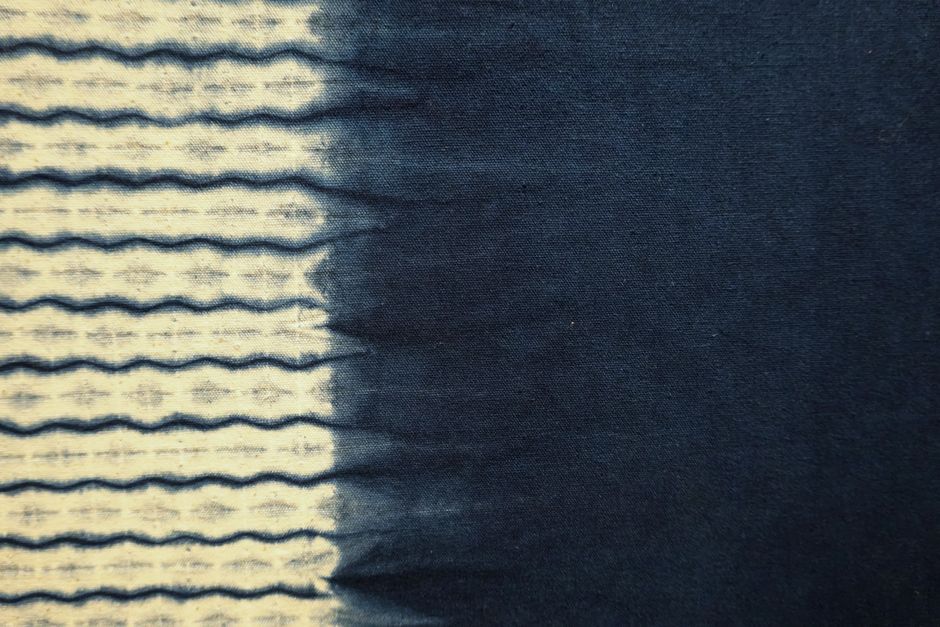
Introduction to Dyed Curtain Fabrics
Color transforms a space, and in the world of interior design, dyed curtain fabrics are the unsung heroes of ambiance and functionality. Whether you are selecting luxurious velvet drapes for a hotel lobby, sheer polyester panels for a sunlit office, or blackout cotton blends for a bedroom, the dyeing process determines not only the visual appeal but also the durability, colorfastness, and overall performance of the fabric. In this comprehensive guide, we will explore everything you need to know about dyed curtain fabrics—from different dyeing techniques and fabric types to practical care tips and industry-specific applications. By the end, you'll be equipped to make informed decisions for your next curtain project.
___PROTECTED_1___
How Curtain Fabrics Are Dyed: Methods and Techniques
Dyeing curtain fabrics is both an art and a science. The method chosen can affect the final appearance, cost, and longevity of the fabric. Here are the primary dyeing techniques used in the curtain industry:
1. Solution Dyeing (Dope Dyeing)
In solution dyeing, the color pigment is added to the polymer solution before the fiber is extruded. This means the dye is embedded within the fiber itself, making the color incredibly resistant to fading, UV rays, and repeated washing. Solution-dyed acrylic and polyester are popular choices for outdoor or high-exposure curtain installations. The downside is a smaller color palette and higher initial cost, but the longevity often justifies the investment.
2. Piece Dyeing
Piece dyeing is the most common method for woven and knitted curtain fabrics. After the greige (undyed) fabric is constructed, it is dyed in large batches. This allows for a virtually unlimited color spectrum and is cost-effective for short to medium runs. However, the entire batch must match perfectly, and certain fibers like cotton can experience slight shrinkage.
3. Yarn Dyeing
In yarn dyeing, the yarns are dyed before weaving. This technique creates intricate patterns like plaids, stripes, and checks, because different colored yarns are interlaced. Yarn-dyed curtains tend to have excellent color penetration and a refined, multi-dimensional look. They are typically more expensive due to the additional processing steps.
4. Batch Dyeing vs. Continuous Dyeing
Batch dyeing (used for piece dyeing) processes lengths of fabric in a vat or jet, while continuous dyeing uses a rapid system where the fabric moves through dye pads and steamers. Continuous dyeing is efficient for large volumes, but batch dyeing offers more flexibility for small orders.
___PROTECTED_2___
Popular Fabric Types for Dyed Curtains
Not all fabrics absorb dye equally. The fiber type plays a critical role in color depth, vibrancy, and longevity. Let's examine the most common curtain fabric options and their dye behavior:
| Fabric | Dye Absorption | Best Dyeing Method | Key Characteristics |
|---|---|---|---|
| Cotton | Excellent | Piece, yarn, or batch dyeing | Crisp, breathable, natural sheen; prone to shrinkage |
| Polyester | Good (needs disperses dyes) | Solution dyeing (best) or piece dyeing at high temps | Durable, wrinkle-resistant, fade-resistant when solution dyed |
| Linen | Good | Piece dyeing | Textured, natural, elegant; dyes slightly unevenly for a unique look |
| Velvet (silk or synthetic pile) | Varies | Piece dyeing for synthetics; yarn dyeing for silk | Luxurious, deep colors; light-reflecting surface adds depth |
| Blends (e.g., cotton-polyester) | Fair to good | Piece dyeing with mixed dyes | Balances price and performance; may need specialty dyes |
When choosing a dyed curtain fabric, always consider the end-use. For blackout curtains, a polyester-cotton blend with a foam coating is often dyed after lamination. For sheer curtains, lightweight polyester or fiberglass fabrics are commonly solution-dyed to maintain color clarity.
Dyeing Effects and Styles
Dyeing doesn't have to be a single flat color. Modern techniques allow for beautiful effects that add personality to curtains:
Solid Dyed
Classic and versatile, solid dyed curtains offer uniform color across the entire surface. This effect is ideal for minimalistic interiors or as a neutral backdrop for bold furniture.
Ombré and Dip-Dyed
This gradient effect has gained popularity in bohemian and contemporary design. Ombré fabrics transition from dark to light or between two complementary colors. Dip dyeing creates a subtle transition at the bottom, reminiscent of natural sunset hues.
Space Dyed
Here, bulked yarns are printed with segments of different colors, resulting in a speckled, tweed-like appearance. It adds texture and visual interest to casual curtain styles.
Solution-Dyed Yarns for High Performance
For environments with extreme sunlight, like large south-facing windows in commercial spaces, solution-dyed yarns prevent fading and maintain color integrity for decades. This method also resists chemicals, making it ideal for industrial or medical settings.
Advantages of High-Quality Dyed Curtain Fabrics
Why choose dyed fabrics over printed ones? Dyeing offers several distinct benefits:
- Color Fastness: Quality dyeing ensures colors remain vivid after repeated washing and sun exposure, especially with reactive or vat dyes.
- Uniformity: Large dye lots create a consistent color, crucial for floor-to-ceiling curtains in a single room.
- Fabric Feel: Unlike printing, dyeing does not add a layer of coating, preserving the fabric's natural texture and breathability.
- Design Flexibility: You can choose any color from the Pantone chart, and even combine dyeing with weaving for multi-tonal effects.
- Cost-Effectiveness: For solid colors, piece dyeing is generally cheaper than printing and offers better value for high-volume orders.
Choosing the Right Dyeing Method for Your Needs
Selecting the right dyed fabric requires balancing your application, budget, and performance requirements. Here's a practical decision guide:
- For Maximum UV Resistance: Choose solution-dyed polyester or acrylic especially for sunrooms, storefronts, or hospitals. The color will not fade even after years of direct sunlight.
- For Natural Aesthetics: Cotton and linen with piece dyeing offer vibrant, earthy tones. Use them in living rooms or boutique hotels where softness and breathability are key.
- For Budget-Conscious Projects: Piece-dyed polyester or polyester-blend fabrics give a good color range at a lower cost. Ensure the dye is high quality to avoid fading.
- For Very Dark Colors: Deep navy and black require higher dye concentration. Solution-dyed or yarn-dyed fabrics are less likely to show white cores if the yarn abrades.
Care and Maintenance Tips for Dyed Curtains
To extend the life and keep colors brilliant, proper care is essential:
- Check the Label: Follow care instructions. Most dyed polyester can be machine washed in cold water, while cotton may need gentle cycles or dry cleaning.
- Wash Before Full Sun: After washing, avoid hanging dyed curtains in direct sunlight for prolonged periods while wet, as this can cause uneven fading or watermarks.
- Use Mild Detergents: Harsh bleach and optical brighteners can strip color. Always use pH-neutral detergents.
- Iron Inside Out: If ironing is needed, iron the back of the curtain at a low temperature to prevent shine and protect the dyed surface.
- Rotate Curtains: If you have symmetrically hung panels, rotate them occasionally to ensure even sun exposure and fading.
Industry Applications of Dyed Curtain Fabrics
Dyed curtain fabrics are not limited to homes. Their versatility extends to numerous industries:
Hospitality and Hotels
Hotels use dyed velvet and blackout fabrics to create moody, elegant suites. Solution-dyed fabrics are preferred here due to constant laundering and UV exposure. The color sets the tone for five-star experiences.
Healthcare Facilities
In hospitals, curtains are dyed with antibacterial or stain-resistant finishes. Bright, uplifting colors contribute to patient well-being, while washable, fade-resistant materials ensure longevity in chlorine-based disinfectants.
Office and Commercial Spaces
Sheer and semi-opaque dyed fabrics provide privacy while diffusing natural light. Solution-dyed polyesters offer 10-year color warranties, making them a low-maintenance choice for high-rise office buildings.
Theatrical and Event Productions
Stage curtains require deep, saturated hues. Dyeing allows for dramatic backdrops without the sheen of prints. Velvet in rich purples and reds is often dyed in wide widths to avoid seams.
Conclusion: Investing in Dyed Curtain Fabrics
Dyed curtain fabrics are a fundamental element of interior design and functional textiles. By understanding the dyeing processes, fabric characteristics, and care requirements, you can choose fabrics that not only look stunning but also stand up to the test of time. Whether you're a homeowner, designer, or procurement specialist, prioritize solution-dyed fabrics for outdoor or hightraffic areas, and don't hesitate to explore yarn-dyed patterns for a distinctive look. With the right dyed curtains, you can achieve the perfect balance of beauty, practicality, and longevity in any space.
Ready to elevate your next project with premium dyed curtain fabrics? Contact us today for expert advice, free swatches, and wholesale pricing!