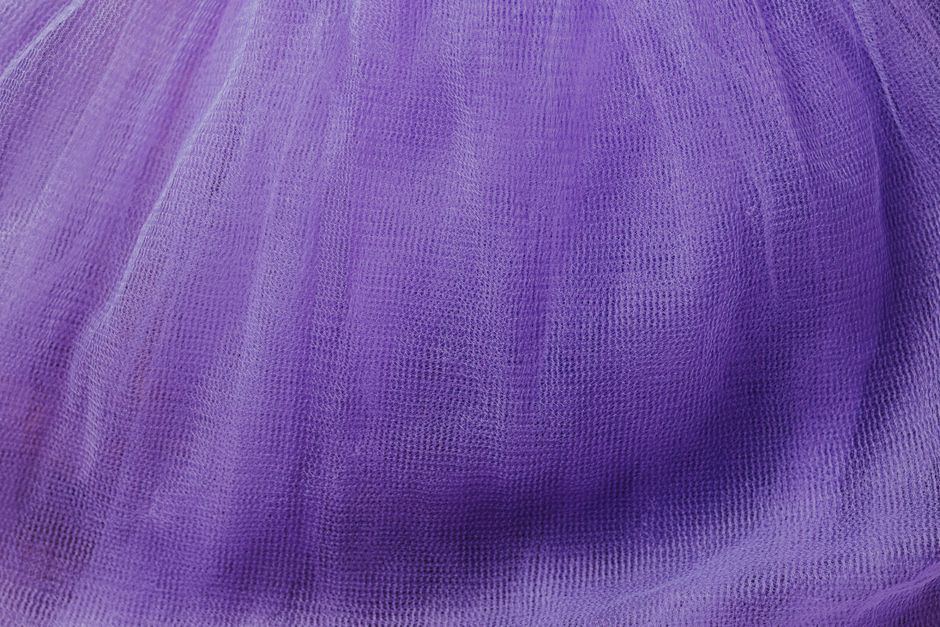
The Art and Science of Woven Curtain Fabrics
When it comes to window treatments, the fabric you choose determines not just the look of a room, but also its comfort, privacy, and energy efficiency. Among the many types of textiles available, woven curtain fabrics stand out for their durability, texture, and timeless appeal. Unlike knitted or non-woven materials, woven fabrics are created by interlacing warp and weft threads on a loom, resulting in a stable, structured cloth that drapes beautifully and holds its shape over time. In this in-depth guide, we explore the world of woven curtain fabrics—from classic weaves to modern performance blends—and provide practical advice for selecting, caring for, and using them in both residential and commercial spaces.
___PROTECTED_1___
What Makes Woven Curtain Fabrics Unique?
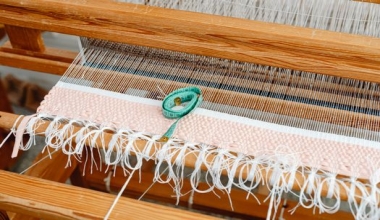
Woven fabrics have been used for centuries, and their construction method offers several inherent advantages. The tight interlacing of yarns creates a fabric that is more resistant to stretching and sagging compared to knits. This makes woven curtains ideal for floor-length panels and large windows where a clean, crisp fall is desired. Additionally, the weave structure can be adjusted to control light transmission, insulation, and texture. For example, a plain weave is tight and smooth, perfect for light filtering, while a twill weave offers more thickness and durability. The versatility of weaving allows designers to create everything from airy sheers to heavy, insulating drapes—all from the same base fiber.
Common Weave Patterns in Curtain Fabrics
Understanding weave patterns helps you choose the right aesthetic and functionality. Here are some of the most common weaves used in curtains:
- Plain weave: Over-under pattern, creating a tight, flat surface. Used in cotton sheers and basic linens.
- Twill weave: Diagonal lines visible on the surface, creating a durable, sturdy fabric that resists wrinkles. Common in heavier drapes.
- Satin weave: Smooth, lustrous surface with floating warp threads. Offers a luxurious sheen but can be more delicate.
- Jacquard weave: Complex patterns woven directly into the fabric, often featuring floral or geometric motifs. Adds depth and elegance.
- Dobby weave: Small geometric patterns that add interest without overwhelming the space.
Each weave impacts how the fabric catches light, how it feels, and how it holds pleats. Always consider the weave when evaluating a fabric's suitability for your project.
___PROTECTED_2___
Blackout Woven Fabrics: Function Meets Style
Blackout curtains are a popular choice for bedrooms, media rooms, and any space where light control is essential. While some blackout curtains are coated or laminated, woven blackout fabrics are increasingly preferred for their breathability and sustainability. A woven blackout fabric typically uses a tightly woven core, often with multiple layers of yarn or a specialized black interliner woven into the construction. This creates a dense textile that blocks out sunlight without the need for chemical coatings that can crack or peel over time.
Modern woven blackout fabrics come in a wide range of colors and textures, from soft matte finishes to subtle herringbone patterns. They can also provide thermal insulation, helping to keep rooms cooler in summer and warmer in winter. When shopping for woven blackout curtains, look for a fabric with a high thread count and a blackout lining that is integrated into the weave, not just applied as a backing. This ensures long-lasting performance and easier care.
Light Control Levels: From Sheer to Full Blackout
Not all woven curtains are created equal. Here's a quick breakdown of light-blocking levels:
| Fabric Type | Light Transmission | Best For |
|---|---|---|
| Sheer | High (diffuses light) | Living rooms, layering |
| Semi-sheer / Semi-opaque | Medium (filters light) | Dining areas, offices |
| Opaque | Low (blocks most light) | Bedrooms, bathrooms |
| Blackout | None (blocks all light) | Media rooms, nurseries |
Decide on the desired level of privacy and darkness before you start browsing. This will narrow your options and ensure you pick the right fabric.
Sheer Woven Curtains: Elegance and Light Diffusion
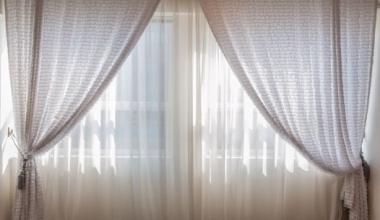
Sheer woven fabrics are crafted with fine yarns in an open weave, allowing natural light to filter through while providing a degree of daytime privacy. They soften harsh sunlight, casting a gentle glow across a room, and are perfect for creating an airy, relaxed ambiance. Common fibers for sheers include cotton, linen, polyester, and blends that combine the best of both—natural texture with synthetic strength.
Sheer woven curtains are ideal for layering with heavier drapes. They can hang alone for a minimalist look or be paired with blackout or opaque curtains for flexible light control. When choosing sheers, consider the weave density: a more open weave offers greater translucency but less privacy, while a tighter weave still filters light but offers more coverage. For hot climates, sheer woven fabrics with a high thread count can also reduce glare while allowing air circulation.
Velvet Woven Curtains: Luxury and Insulation
Velvet is the epitome of luxury in the curtain world. But did you know that true velvet is woven? Velvet is a woven textile with a thick, plush pile created by cutting through extra warp yarns during the weaving process. This construction gives velvet its characteristic softness and depth of color. Woven velvet curtains are heavier than most other fabrics, providing excellent sound absorption and thermal insulation. They drape dramatically and add a touch of opulence to any room.
Woven velvet is available in cotton, silk, rayon, and polyester blends. Each fiber offers a different aesthetic: silk velvet is the most lustrous but can be delicate; cotton velvet has a matte finish and is more durable; polyester velvet is easier to care for and more affordable. For a contemporary look, consider crushed velvet or panne velvet, which have a shimmering, textured surface. When hanging velvet curtains, use a sturdy rod and rings, as the fabric is heavy. Also, be aware that velvet can crush or flatten in high-traffic areas, so consider the placement carefully.
Acoustic Woven Curtain Fabrics: Sound Management
In spaces where noise control is important—such as offices, recording studios, restaurants, and even modern homes with hard surfaces—acoustic woven curtains are an excellent solution. These fabrics are specially engineered to absorb sound waves, reducing echo and reverberation. Unlike standard curtains, acoustic panels are often woven with thick, dense yarns and may include a heavy backing or layered construction that increases their sound absorption coefficient.
Acoustic woven fabrics often come in a variety of weaves, including a deep honeycomb structure that traps sound. They can be used as room dividers, wall coverings, or traditional curtains. When selecting acoustic curtains, look for the NRC (Noise Reduction Coefficient) rating. A higher NRC indicates better sound absorption. Many acoustic fabrics are also fire-retardant, making them suitable for commercial and public spaces.
How to Evaluate Acoustic Performance
To get the most out of your acoustic curtains, consider the following:
- Thickness: Thicker, heavier fabrics perform better at absorbing low frequencies.
- Pleating: Adding pleats increases the fabric's surface area and its sound-absorbing capabilities.
- Distance from the wall: Hang curtains about 2-4 inches away from the wall to trap sound behind them.
- Installation: Floor-to-ceiling and wall-to-wall installations maximize effectiveness.
Choosing the Right Woven Fabric: A Practical Guide
Selecting the perfect woven curtain fabric involves balancing aesthetics, function, and budget. Here are key steps to guide you:
1. Determine the Purpose
Ask yourself: What is the primary function of these curtains? If it's privacy and light control, consider blackout or opaque weaves. If it's to add warmth and texture, velvet or heavy linen might be best. If you need to reduce noise, prioritize acoustic fabrics. Once you know the function, you can narrow down the material.
2. Consider the Room and Lighting
For a room with lots of direct sunlight, avoid delicate silk or brightly dyed fabrics that may fade. Opt for solution-dyed acrylic or polyester blends that are UV-resistant. For a living room, sheers or semi-sheers can create a soft, inviting atmosphere. For a home theater, blackout is non-negotiable.
3. Assess Texture and Drape
The weave and fiber determine how the fabric drapes. Linen and cotton have a crisp, natural drape; velvet and heavy twill have a more dramatic, structured fall. Hold a sample up to see how it hangs. Also, run your hand over it to ensure the texture feels right for your décor.
4. Check Maintenance and Durability
Woven fabrics vary in care requirements. Natural fibers like linen and cotton may shrink if washed incorrectly; wool offers durability but may require special handling. Polyester blends are typically machine-washable and wrinkle-resistant. If you have children or pets, choose stain-resistant and stress-tested fabrics. Always follow the manufacturer's care instructions.
5. Fire Safety and Certifications
For commercial spaces, check that the fabric meets local fire safety standards. Look for fabrics with an NFPA 701 certification or similar. In residential settings, this is less critical but still worth considering, especially in high-risk areas.
Industry Applications: Woven Curtains in Real-World Settings
Woven curtains are used in a wide range of industries, each with unique demands:
Hospitality
Hotels and resorts require curtains that are durable, easy to clean, and aesthetically pleasing across many rooms. Woven polyester blends are popular because they resist fading, retain their color, and can be treated with antimicrobial finishes. Blackout woven curtains are crucial for guest bedrooms to ensure a restful night's sleep. Additionally, acoustic properties are valued in hotel lobbies and restaurants to minimize noise.
Healthcare
In hospital rooms, curtains serve as privacy screens and are often subjected to frequent cleaning. Woven fabrics treated with antimicrobial agents prevent the spread of infections. PVC-free, inherently fire-retardant woven panels are preferred. These curtains are often sheer or semi-opaque, allowing light in while maintaining privacy.
Corporate Offices
Offices benefit from woven curtains that reduce glare on computer screens and absorb sound to create quieter workspaces. Acoustic woven fabrics, often in neutral tones, are installed in open-plan offices and meeting rooms. Blackout options are used in presentation rooms and video conference spaces.
Education
Schools and universities often need durable, safe, and budget-friendly curtains. Polyester woven blackout fabrics are common in classrooms with projectors. Acoustic curtains are used in music rooms and auditoriums to improve sound quality.
Residential
In homes, we see a mix of everything: sheers in the living room, blackout in bedrooms, velvet in formal dining areas, and acoustic curtains in home offices or media rooms. Woven fabrics offer homeowners the ability to customize their space with texture and style while meeting functional needs.
Caring for Woven Curtain Fabrics: Essential Tips
Proper care ensures your woven curtains remain beautiful for years. Here are general guidelines, but always refer to the specific care tag:
- Dust regularly: Use a vacuum cleaner with a brush attachment to remove dust, especially from heavy fabrics like velvet.
- Check washing instructions: Some woven fabrics are machine washable in cold water on a gentle cycle; others require dry cleaning. Never tumble dry unless specified.
- Steam to remove wrinkles: Use a handheld steamer to remove creases without crushing the fabric. Ironing is possible for cotton or linen but avoid high heat on synthetic weaves.
- Protect from sunlight: Even though many fabrics are UV-resistant, prolonged exposure can fade colors. Use a lining or rotate curtains to even out fading.
- Handle stains carefully: Spot clean with a mild detergent and water, always testing in an inconspicuous area. For stubborn stains, consult a professional cleaner.
Removing Common Stains
For dust and dirt, a simple vacuum is enough. For beverage stains, blot with a clean cloth and a solution of water and white vinegar. For oil-based stains, a touch of dish soap may help. Always work from the outside of the stain inward to avoid spreading.
Considerations for Sustainability
As consumers become more environmentally conscious, the demand for sustainable woven curtain fabrics has grown. Look for curtains made from organic cotton, hemp, bamboo, or recycled polyester. Many manufacturers now offer eco-friendly dye processes and avoid toxic finishes. Even in synthetic weaves, recycled fibers can reduce environmental impact. Additionally, choosing durable, well-made woven curtains reduces waste, as they don't need to be replaced as often.
Installation Tips for Woven Curtains
Proper installation enhances both function and aesthetics. Here are some pointers:
- Rod height: Install the rod 4-6 inches above the window frame to make ceilings appear higher.
- Width: The curtain rod should extend 8-12 inches beyond the window on each side to allow full opening and more natural light.
- Length: For a formal look, let curtains puddle slightly on the floor; for a modern feel, hang them just above the floor.
- Hardware: Heavy woven fabrics like velvet require a sturdy metal rod and high-quality rings or grommets. Use wall anchors if attaching to drywall.
- Layering: Use a double rod to combine sheers and blackout curtains for maximum flexibility.
Conclusion: The Timeless Value of Woven Curtain Fabrics
Woven curtain fabrics offer an unmatched combination of beauty, versatility, and performance. Whether you're seeking the airy elegance of sheers, the opulence of velvet, the functionality of blackout, or the acoustic benefits of specialized weaves, there is a woven fabric to meet your needs. By understanding the different weaves, materials, and construction methods, you can make an informed choice that enhances your space for years to come. Remember to consider the specific demands of your environment, choose quality fabrics that suit your lifestyle, and care for them properly to maintain their appearance and functionality.
We invite you to explore our collection of woven curtain fabrics, where you'll find a diverse range of colors, textures, and performance features. Our expert team is ready to assist you in selecting the perfect fabric for your next project. Visit our website or contact us today to discuss your requirements and request samples.