When outfitting a hotel, curtain fabric is more than a decorative afterthought. It plays a critical role in guest comfort, energy efficiency, safety, and brand image. Hotel curtain fabric specifications differ significantly from residential drapes due to higher usage, strict safety regulations, and the need for durability. Whether you are a purchasing manager, interior designer, or hospitality consultant, understanding these specifications is essential to making an informed investment.
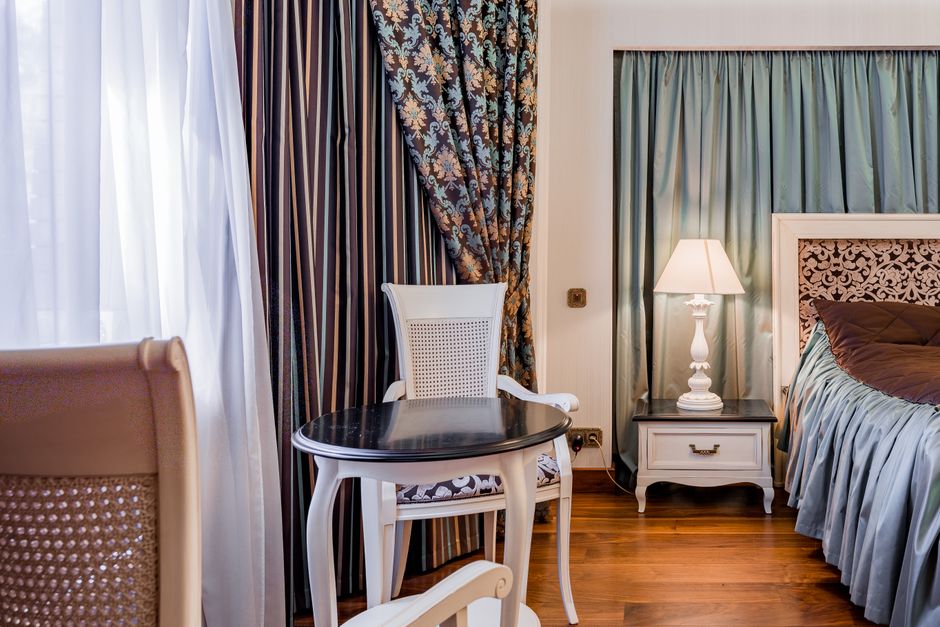
Why Hotel Curtain Fabrics Are Different
Hotels operate 24/7, 365 days a year. Guest rooms are occupied by people with varying habits, and housekeeping teams clean them frequently. Consequently, hotel curtain fabrics must withstand constant use, repeated washing, and exposure to sunlight without fading or losing shape. They must also comply with strict fire safety codes, as hotels are high-occupancy buildings. These requirements mean that hotel curtain fabrics are engineered to higher standards than typical residential fabrics.
___PROTECTED_1___
Key Specifications for Hotel Curtain Fabrics
To evaluate and compare fabrics, you need to understand the technical specifications that define performance. Here are the most critical ones:
Fabric Weight and Thread Count
Fabric weight is measured in grams per square meter (GSM) or ounces per linear yard. For hotel curtains, heavier fabrics (300–700 GSM) typically offer better draping, insulation, and light-blocking properties. Thread count, measured in threads per square inch, influences the fabric's density and hand-feel. A higher thread count often means a smoother, more durable surface.
Fire Retardancy and Safety Standards
Fire retardancy is non-negotiable in hospitality. Curtains must meet local fire codes (e.g., NFPA 701 in the US, BS 5867 in the UK, or EN 13773 in Europe). Fabrics can be inherently fire-retardant (made with fibers like modacrylic) or treated with a chemical finish. Always verify the specific rating and ask for test certificates.
Light Blocking and Privacy
Blackout curtains are a staple in hotels to ensure guests get restful sleep. The specification to look for is the percentage of light blocked. True blackout fabrics block 99% of light, while semi-blackout (dimout) blocks about 70–85%. For sleeping areas, full blackout is recommended. Check if the fabric has a backing or a triple-weave construction that provides light-blocking without a separate liner.
Acoustic Properties
Noise reduction is a growing priority in hospitality. Acoustic curtain fabrics are designed to absorb sound, reducing echo and blocking external noise. The specification here is the Noise Reduction Coefficient (NRC). A fabric with an NRC of 0.3 to 0.5 is considered good for soft furnishings. Specially weighted or pleated acoustic curtains can also reduce sound transmission by up to 7–10 decibels.
Durability and Abrasion Resistance
Hotel curtains are opened and closed daily, often by hand or with motorized systems. Abrasion resistance is measured with the Martindale test (rubs). For commercial use, a Martindale rating of at least 20,000 rubs is recommended, and 30,000+ for heavy-duty areas. Tear strength is also important, especially for high-traffic properties.
Colorfastness and UV Resistance
Guest room curtains are exposed to intense sunlight. Colorfastness (rated 1–5) determines how well the dye resists fading. For hotel curtains, a rating of 4 or 5 is essential. Additionally, some fabrics come with UV-resistant coatings that protect the fabric itself and also help prevent fading of interior furnishings.
___PROTECTED_2___
Fabric Types Commonly Used in Hotels
There is a wide range of fabric types suitable for hotel settings. Here are the four most popular categories:
Blackout Curtain Fabrics
Blackout fabrics are designed to block light, provide insulation, and enhance privacy. They come in various forms, including coated, laminated, or triple-weave. Triple-weave is the most luxurious, with no plastic coating, making it breathable yet effective. Blackout fabrics are often used in sleeping areas and in media rooms where ambient light may interfere with screens.
Sheer Curtain Fabrics
Sheer fabrics are lightweight and translucent, allowing soft daylight to filter in while providing some privacy. They are often layered with blackout curtains to offer both daytime and nighttime flexibility. For hotels, sheer fabrics should be treated for UV resistance and must retain their shape after repeated washing. Common materials include polyester, silk blends, and linen blends.
Velvet Curtain Fabrics
Velvet adds a touch of opulence and warmth to hotel lobbies, restaurants, and executive suites. It is a densely woven fabric with a soft, plush pile. Velvet offers good sound absorption and light-blocking properties due to its weight. However, velvet can be heavy and requires careful maintenance. For commercial use, choose synthetic velvet (e.g., polyester) or a blend that is easy to clean and fire-retardant.
Acoustic Curtain Fabrics
Acoustic curtains are specifically engineered to absorb sound waves. They are often used in conference rooms, restaurants, and even in guest rooms located near elevators or busy streets. These fabrics are typically made of heavy, dense materials with a fleece or felt backing. Some acoustic curtains feature a sloped or pleated design to maximize sound absorption. When specifying acoustic curtains, look for NRC ratings and overall weight, as heavier fabrics perform better.
How to Choose the Right Fabric for Different Hotel Areas
The ideal curtain fabric varies by location within the hotel. Here is a practical guide:
| Hotel Area | Recommended Fabric | Key Specifications |
|---|---|---|
| Guest Rooms | Blackout + Sheer layer | 99% light block, flame retardant, 30,000 Martindale rubs |
| Suites | Velvet or luxury blackout | Acoustic backing, heavy weight, luxurious drape |
| Lobby & Lounges | Sheer or velour | Daylight control, excellent aesthetics, high durability |
| Conference Rooms | Acoustic | NRC 0.4+, flame retardant, easy to maintain |
| Fitness Areas | Blend of synthetic & mildew-resistant | Moisture resistance, anti-microbial finish |
Maintenance and Care Tips
Proper maintenance extends the life of hotel curtains. Always follow the manufacturer's instructions, but here are general guidelines:
- Regular vacuuming: Use a low-suction vacuum with a brush attachment to remove dust and allergens weekly.
- Professional cleaning: Most hotel curtains should be professionally dry-cleaned or laundered every 6 months. Check the cleaning code (F for dry clean, W for wet clean).
- Respect shrinkage: Some fabrics shrink when washed. Specify pre-shrunk fabrics or account for shrinkage during fabrication.
- Fire-retardant treatment: Many fire-retardant finishes wash out over time. Re-treatment may be necessary after several cleanings. Be sure to test in a small area first.
- Avoid moisture: Keep curtains away from water, and in damp climates, use anti-microbial treatments to prevent mildew.
Cost Considerations and Budgeting
Hotel curtain fabric prices vary widely based on fiber content, weave, treatments, and brand. Here are some budgeting tips:
- Prioritize safety: Never compromise on fire retardancy. Non-compliant fabrics may lead to fines or even endanger guests.
- Balance upfront cost with longevity: Cheaper fabrics may need replacement sooner. A fabric with a 30,000 rubber rating may cost more but save money over 5 years.
- Consider fabric weight: Heavier fabrics generally cost more per meter, but may offer better insulation, reducing energy bills.
- Buy in bulk: Hotels can negotiate discounts for large orders. Also, choose made-to-measure to minimize waste.
- Factor in labor: Additional costs include lining, blackout treatments, pleating, and installation hardware.
Summary and Buying Guide
Choosing the right hotel curtain fabric requires a balance of aesthetics, performance, and compliance. Start by assessing your property's specific needs: fire codes, window sizes, Guest usage patterns, and design concept. Then, request fabric samples and test them under your lighting conditions. Review technical datasheets for the specifications mentioned in this guide, and don't hesitate to ask suppliers for third-party test certificates.
Investing in high-quality, certified fabrics not only enhances guest satisfaction but also reduces long-term replacement costs. Whether you select blackout, sheer, velvet, or acoustic drapes, always prioritize durability and safety. With this comprehensive guide, you are now equipped to make a decision that combines style, function, and value for your hotel.