In an era where environmental consciousness is reshaping the interior design industry, recycled curtain fabrics have emerged as a powerful solution for eco-minded homeowners, designers, and businesses. These materials not only reduce waste and conserve resources but also offer exceptional quality, durability, and aesthetic appeal. This in-depth guide explores everything you need to know about recycled curtain fabrics—from their origins and production methods to their benefits, applications, and care instructions. Whether you're decorating a cozy living room or outfitting a corporate office, understanding the potential of recycled textiles will empower you to make sustainable choices without compromising on style or functionality.
What Are Recycled Curtain Fabrics?
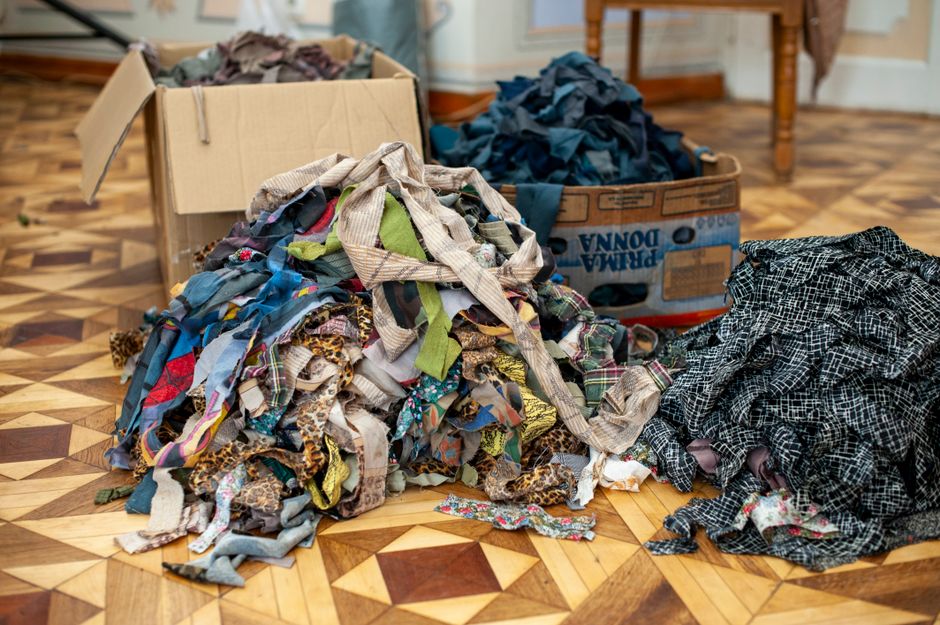
Recycled curtain fabrics are textiles manufactured from reclaimed materials that would otherwise end up in landfills or oceans. These materials are collected, sorted, cleaned, and processed into new fibers, which are then spun into yarns and woven or knitted into fabric. Common sources for recycled curtain fabrics include post-consumer plastic bottles (PET), pre-consumer textile waste, and discarded fishing nets.
The most prevalent type of recycled fabric is recycled polyester, often labeled as rPET. This is created by melting down plastic bottles and extrusion into fine filaments that closely mimic virgin polyester. Recycled cotton is another popular option, derived from industrial cutting scraps or post-industrial garments. These fibers are blended with new fibers to restore strength, as recycled cotton alone may be shorter and less durable.
Recycled curtain fabrics can be engineered to retain the same properties as their virgin counterparts—including blackout capabilities, sheer weaves, velvet textures, and acoustic insulation—making them a versatile choice for every interior need.
___PROTECTED_1___
Types of Recycled Curtain Fabrics
Recycled Polyester (rPET)
Recycled polyester is the workhorse of sustainable curtains. Made from PET plastic bottles, it offers excellent durability, resistance to wrinkles, and colorfastness. This fabric can be woven into light-filtering sheers or dense, heavy blackout curtains. It is also highly versatile in texture, from smooth satin to plush velvet. Because rPET is thermoplastic, it can be blended with other fibers to enhance performance.
Recycled Cotton
Recycled cotton is a natural alternative that brings the same soft, breathable feel as conventional cotton. It is produced from textile mill waste or pre-consumer garments. Curtains made from recycled cotton have a cozy, organic aesthetic and are ideal for living rooms and bedrooms. However, due to fiber shortening during recycling, recycled cotton is often blended with rPET or virgin cotton to maintain tensile strength. Look for certifications like Global Organic Textile Standard (GOTS) when choosing recycled cotton.
Recycled Nylon
Recycled nylon, often sourced from discarded fishing nets (e.g., Econyl), is increasingly used in high-performance curtains. It offers outstanding tear strength, elasticity, and resilience, making it suitable for public spaces and commercial installations. Recycled nylon fabrics also exhibit excellent drape and can be finished with flame-retardant treatments.
Blends
Many recycled curtain fabrics are blends that combine recycled fibers with natural or synthetic fibers to achieve specific properties. For instance, a blend of recycled polyester and recycled cotton can offer the best of both worlds: wrinkle resistance and natural texture. Blends allow manufacturers to tailor the fabric for acoustic absorption, thermal insulation, or light control.
___PROTECTED_2___
Benefits of Using Recycled Curtain Fabrics
- Environmental Impact: By using recycled materials, you significantly reduce the demand for virgin resources, lower carbon emissions, and divert plastic and textile waste from landfills and oceans. For example, producing recycled polyester saves about 75% of the energy required for virgin polyester and reduces CO2 emissions by up to 71%.
- Durability and Performance: Recycled fabrics are engineered to meet high-performance standards. rPET fabrics are resistant to UV degradation, mildew, and moisture, making them ideal for sun-exposed windows. They also retain their shape and color after repeated washing.
- Versatility in Design: Recycled curtain fabrics come in every color, texture, and opacity imaginable—from airy sheers to heavy blackouts. This versatility ensures you can achieve your desired ambiance while staying green.
- Healthier Indoor Air: Many recycled fabrics are free from harmful chemicals, especially those certified by OEKO-TEX. This contributes to better indoor air quality, particularly important for homes with children or individuals with allergies.
- Cost-Effectiveness: While pricing varies, advances in recycling technology have made recycled fabrics increasingly affordable, often comparable to conventional options. Long-term durability also reduces the frequency of replacements.
Recycled vs. Conventional Curtain Fabrics: A Comparison
| Attribute | Recycled Curtain Fabrics | Conventional Curtain Fabrics |
|---|---|---|
| Environmental footprint | Lower energy and water consumption, reduced waste | Higher resource use, more waste |
| Durability | Comparable or superior (especially rPET) | Depends on fiber type |
| Aesthetic options | Extensive range of colors, textures, and finishes | Extensive range |
| Cost | Increasingly competitive | Varies widely |
| Certifications | GRS, RCS, GOTS, OEKO-TEX available | Limited eco-certifications |
| End-of-life | Can be recycled again, promotes circular economy | Often landfilled or downcycled |
How to Choose Recycled Curtain Fabrics for Your Needs
Selecting the perfect recycled curtain fabric involves considering functionality, aesthetics, and certifications.
Assess Light and Privacy Requirements
Determine whether you need blackout, light-filtering, or sheer curtains. Recycled polyester is excellent for blackout curtains because it can be woven tightly and coated with a dark acrylic backing. For sheer curtains that diffuse light beautifully, choose a lightweight rPET voile or organza. Recycled cotton voile offers a more natural, textured translucency.
Consider Insulation and Acoustic Performance
Heavier recycled fabrics, such as recycled velvet or multi-layered blackout, provide thermal insulation, reducing heat loss in winter and heat gain in summer. For acoustic applications, look for fabrics with high mass per square meter or those specifically designed for sound absorption, often used in theaters and office partitions. Recycled polyester fibers are excellent sound dampeners.
Check Fabric Weight and Drape
The weight of the fabric affects how curtains hang and move. A curtain weighing 200–300 grams per square meter (gsm) is ideal for conventional drapery, while heavier 400+ gsm fabrics suit formal, floor-length curtains. Lighter sheers usually fall between 50–100 gsm. Always request physical swatches to evaluate drape and texture.
Review Certifications
To guarantee the authenticity of recycled content and sustainable production, look for recognized labels such as:
- GRS (Global Recycled Standard): Ensures at least 20% recycled content and verifies environmental and social practices.
- RCS (Recycled Claim Standard): Similar to GRS but with less stringent social criteria.
- OEKO-TEX Standard 100: Confirms the product is free from harmful substances.
- GOTS: For organic cotton blends, ensuring organic status and responsible manufacturing.
Care and Maintenance Tips for Recycled Curtain Fabrics
Proper care extends the life of your curtains and maintains their sustainable benefits. Here are practical tips:
- Read the Label: Always heed the manufacturer's care instructions. Most recycled polyester curtains can be machine washed in cold water on a gentle cycle.
- Avoid High Heat: Use a cool iron if needed, and tumble dry on low heat or air dry. High temperatures can warp synthetic fibers.
- Gentle Detergents: Use eco-friendly, bleach-free detergents to preserve fibers and colors.
- Vacuum Regularly: To prevent dust buildup without frequent washing, use a hand-held vacuum with a soft brush attachment.
- Spot Clean: For minor stains, dab with a damp cloth and mild soap. Avoid rubbing, which can damage the weave.
- Steam Refresh: A hand steamer is excellent for removing wrinkles and refreshes curtains without full laundering.
- Protect from Sun: Prolonged direct sunlight can fade even high-quality fabrics. Consider adding a lining or using UV-protective window films.
When curtains reach the end of their usable life, don't discard them—check if they can be recycled or repurposed. Some manufacturers offer take-back programs, closing the loop.
Industry Applications and Case Studies
Hospitality Sector
Hotels and resorts increasingly choose recycled curtain fabrics to meet sustainability goals and appeal to eco-conscious travelers. A major hotel chain recently installed rPET blackout curtains in 1,200 guest rooms, reducing plastic waste by 8 tons and cutting energy costs through superior insulation.
Corporate Offices
Open-plan offices use recycled acoustic curtains to manage noise levels and create private meeting niches. A tech company replaced its conventional fabric partitions with recycled polyester acoustic panels, enhancing employee comfort and achieving LEED certification points.
Residential Spaces
Homeowners are embracing recycled velvet curtains for their luxurious feel and environmental benefits. With a high light-blocking rate, these curtains also help regulate indoor temperatures, reducing reliance on heating and cooling.
Theaters and Auditoriums
Acoustic performance is critical in performance venues. Recycled polyester fabrics with dense weaves and heavy mass are used for stage drapes and sound-dampening panels. One regional theater repurposed 2,000 kg of post-industrial textile waste into custom acoustic curtains, achieving excellent sound diffusion without compromising aesthetics.
Future Trends in Recycled Curtain Fabrics
The market for recycled textiles is poised for exponential growth. Innovations include using biodegradable additives to reduce microplastic shedding, enhancing mechanical recycling to preserve fiber length, and developing new blends with biobased fibers like hemp or lyocell. Digital printing on recycled fabrics is also expanding design possibilities while minimizing water and chemical waste.
Moreover, blockchain technology is being used to trace the entire supply chain, offering transparent proof of recycled content and ethical labor. As demand rises, we can expect even more cost-effective and higher-performing recycled curtains, making sustainability the new standard rather than an exception.
Conclusion
Recycled curtain fabrics are a testament to how innovation and environmental responsibility can coexist beautifully. By choosing these materials, you are not only enhancing your interior spaces with durable, versatile, and stylish textiles but also contributing to a healthier planet. From rPET sheers to recycled cotton blackouts, the options are vast and continually improving. We encourage you to explore samples, verify certifications, and partner with suppliers who share your commitment to sustainability. The switch to recycled curtains is a simple yet impactful step toward a more circular economy—and a better future for generations to come.