Introduction: Why Eco-Friendly Curtain Materials Matter
Curtains do more than frame a window—they impact your home's comfort, energy efficiency, and environmental footprint. As sustainability becomes a priority for homeowners and designers alike, eco-friendly curtain materials are no longer a niche choice but a responsible mainstream option. From organic cotton to recycled polyester, the market now offers a wealth of sustainable fabrics that combine performance with planet-conscious production. This comprehensive guide explores the best eco-friendly curtain materials, how to choose them, and how to care for them—so you can make an informed, ethical purchase without compromising on style or function.
___PROTECTED_1___
What Makes a Curtain Material Eco-Friendly?
An eco-friendly curtain material is one that minimizes harm to the environment throughout its lifecycle—from raw material extraction to manufacturing, use, and disposal. Key factors include renewability, biodegradability, water and energy consumption, chemical usage, and the welfare of workers. Truly sustainable fabrics often come with certifications like GOTS (Global Organic Textile Standard), OEKO-TEX Standard 100, or Cradle to Cradle. However, even without certifications, certain natural and recycled fibers are inherently more sustainable than conventional alternatives.
Natural and Renewable Fibers
Natural fibers like organic cotton, linen, hemp, and bamboo are grown without synthetic pesticides and fertilizers, making them renewable and biodegradable. Their cultivation often enriches soil and sequesters carbon. However, the processing can still involve chemicals, so look for organic or low-impact processing.
Recycled and Low-Impact Fibers
Recycled fibers, such as recycled polyester made from plastic bottles, reduce waste and rely less on virgin petroleum. Similarly, Tencel (lyocell) is created from sustainably harvested wood pulp using a closed-loop process that recycles water and solvents, making it a low-impact man-made fiber.
Certifications to Look For
When shopping, trust labels. GOTS ensures organic fibers and environmentally and socially responsible manufacturing. OEKO-TEX Standard 100 certifies that a product is free from harmful substances (even if not fully organic). The Global Recycled Standard (GRS) verifies recycled content. Familiarizing yourself with these labels helps you avoid greenwashing.
___PROTECTED_2___
Top Eco-Friendly Curtain Materials
Organic Cotton
Organic cotton is a classic choice. Unlike conventional cotton, which uses massive amounts of water and pesticides, organic cotton is grown with natural fertilizers and crop rotation, reducing water usage by up to 91% in some studies. Curtains made from organic cotton are soft, breathable, and durable. They are excellent for sheer or semi-sheer styles and can be woven into heavier blackout fabrics with added liners. Look for GOTS certification to ensure third-party verification.
Linen
Linen is derived from flax plants, which thrive in poor soil with minimal water and no irrigation. The entire plant is usable, leaving zero waste. Linen curtains have a relaxed, textured aesthetic and are naturally breathable, moisture-wicking, and anti-static. They block light moderately and offer a beautiful draping quality. Linen becomes softer with each wash, making it a long-lasting investment. Choose undyed or naturally dyed linen for the lowest environmental impact.
Hemp
Hemp is one of the most sustainable crops on Earth. It grows rapidly, suppresses weeds, and requires little water and no pesticides. Hemp fibers are extremely strong—up to 3 times stronger than cotton—making hemp curtains incredibly durable. The fabric has a natural, slightly coarse texture that softens over time. Hemp provides good UV resistance and insulation. Because it is not widely cultivated, hemp curtains may be pricier, but their longevity and eco-credentials are unbeatable.
Bamboo
Bamboo is a fast-growing grass that regenerates without replanting. Bamboo curtains are soft, silky, and naturally antibacterial. However, be aware of the processing: bamboo rayon (viscose) is made using harsh chemicals, while bamboo linen (mechanically processed) is more eco-friendly. For true sustainability, choose bamboo linen or closed-loop bamboo lyocell. Bamboo curtains are excellent for sheers and offer natural UV protection.
Tencel (Lyocell)
Tencel is a brand name for lyocell, a fiber made from eucalyptus wood pulp. The production process is closed-loop, meaning 99% of solvents are recycled. Tencel is incredibly smooth, breathable, and moisture-regulating, making it ideal for sensitive skin. It can mimic the drape of silk or the texture of linen. As a curtain material, Tencel works beautifully in both sheer and velvet-like weaves. It's fully biodegradable and produced in fair conditions.
Recycled Polyester
Recycled polyester (rPET) is made from melted down plastic bottles and textile waste. It reduces landfill waste and consumes less energy than virgin polyester. Many blackout curtains use recycled polyester for its durability and crease resistance. While it is not biodegradable, it gives a second life to polymers. Look for GRS certification to ensure genuine recycled content. Recycled polyester is also easier to clean and maintains color well.
Wool
Wool is a natural, renewable fiber harvested from sheep. It is flame-resistant, naturally stain-resistant, and excellent at insulating—both thermally and acoustically. Wool curtains are perfect for blackout and acoustic applications because their dense fibers absorb sound and block drafts. Sourcing from certified organic or regenerative farms enhances sustainability. Wool is breathable and regulates humidity, creating a comfortable indoor environment.
Jute
Jute is a plant fiber that grows in tropical regions, requiring little water and no fertilizers. It is biodegradable and inexpensive. Jute curtains have a rustic, natural appearance that suits bohemian or earthy interiors. They provide moderate light filtration but may not be as soft as other fabrics. Jute is often blended with cotton or linen for improved draping.
Comparison of Eco-Friendly Curtain Fabrics
| Material | Eco-Benefits | Best For | Texture & Light Control |
|---|---|---|---|
| Organic Cotton | GOTS certifiable; low water footprint | Sheers, semi-sheers, blackout with liner | Soft, breathable; good light variability |
| Linen | Low water, zero waste | Casual elegance; light filtering | Textured, crisp; diffused light |
| Hemp | No pesticides, carbon negative | Durable everyday curtains | Rough initially, softens; moderate light |
| Bamboo | Fast-growing, regenerative | Sheers, silk-like drapes | Silky; translucent to light |
| Tencel | Closed-loop, biodegradable | Luxurious sheers, velvet alternatives | Smooth, silky; versatile |
| Recycled Polyester | Reduces plastic waste | Blackout, acoustics | Durable; excellent full light blockage |
| Wool | Regenerative, flame-resistant | Acoustic, insulation, blackout | Dense, heavy; excellent block |
| Jute | Low-input, biodegradable | Textural, natural filter | Coarse; moderate light |
Eco-Friendly Curtains for Every Need: Blackout, Sheer, Velvet, Acoustic
Your curtain's function should match the material. Here's how eco-friendly options apply to common curtain types.
Eco-Friendly Blackout Curtains
Blackout curtains require dense, opaque fabrics. Recycled polyester is the top choice because it can be tightly woven and coated with a blackout layer like acrylic foam (choose non-PVC options). Organic cotton with a blackout lining is another option; ensure the lining is also eco-friendly. Wool's natural thickness can provide near-blackout with its inherent density. Look for GOTS-certified organic cotton or GRS-certified recycled polyester to maintain sustainability.
Eco-Friendly Sheer Curtains
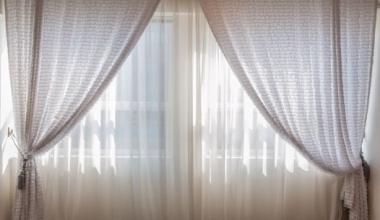
Sheer curtains filter light gently. Choose organic cotton, Tencel, or bamboo linen for a soft, airy drape. Linen and hemp offer a more textured look while remaining lightweight. These materials are breathable and create a beautiful play of light. For sheer curtains with an eco edge, opt for undyed or low-impact dyed fabrics.
Eco-Friendly Velvet Curtains
Velvet adds luxury and excellent insulation. Traditional velvet is made from silk or petroleum-based synthetics. Eco-friendly alternatives include Tencel velvet, which has a silky sheen without plastic, and recycled polyester velvet, which offers a plush texture. Organic cotton velvet is also available, though it may be heavier. Opt for GOTS-certified cotton velvet or Tencel for a truly sustainable indulgence.
Eco-Friendly Acoustic Curtains
Acoustic curtains reduce noise by absorbing sound waves. Wool is the champion natural acoustic material, with its thick, porous fibers trapping sound. Recycled polyester felt is another effective option, especially when layered. Combining a wool front with a recycled polyester thermal lining can maximize both sound absorption and insulation. These eco-friendly acoustic curtains are ideal for home offices, recording studios, or noisy urban apartments.
Care Tips to Maximize Sustainability
Even the most eco-friendly curtain can harm the environment if washed frequently with harsh chemicals. Follow these care guidelines:
- Clean less often: Curtains don't need weekly washing. Vacuum them with a soft brush attachment every two weeks to remove dust and allergens. Spot-clean stains with a natural detergent diluted in water.
- Wash in cold water: When you do wash, use cold water and an eco-friendly, plant-based detergent. Cold saves energy and preserves fabric integrity.
- Air dry: Hang curtains to dry instead of using a tumble dryer. This reduces energy consumption and prevents shrinkage.
- Steam, don't iron: Use a fabric steamer to remove wrinkles without damaging fibers. Steaming also freshens fabric naturally.
- Repair, don't replace: Mend small tears or re-hem edges to extend the life of your curtains. This is the ultimate sustainable practice.
- Recycle or repurpose: When curtains reach the end of their life, repurpose the fabric as cushion covers, cleaning rags, or donate if usable. Check with local textile recycling programs if the fabric is made of mono-material like cotton or wool.
Conclusion
Switching to eco-friendly curtain materials is a meaningful step toward a healthier home and a healthier planet. Whether you prioritize organic cotton for its softness, linen for its classic elegance, recycled polyester for its blackout efficiency, or wool for its acoustic prowess, there is a sustainable option that fits your needs. By understanding fabric origins, certifications, and proper care, you can make a purchase that lasts for years and aligns with your values. Explore our range of eco-friendly curtains today and transform your space with conscience—your windows, and the Earth, will thank you.