As awareness of environmental issues grows, more homeowners and interior designers are seeking ways to make their spaces both beautiful and eco-friendly. One often overlooked element in sustainable interior design is window treatments. Curtains not only affect the aesthetics of a room but also its energy efficiency, indoor air quality, and environmental footprint. This comprehensive guide explores sustainable curtain fabrics, helping you choose materials that are kind to the planet without compromising on style or function.
Why Choose Sustainable Curtain Fabrics?
Conventional curtain fabrics are frequently made from virgin synthetic fibers like polyester, which are derived from petroleum, a non-renewable resource. The production of these fibers is energy-intensive and releases harmful greenhouse gases. Moreover, many synthetic fabrics are treated with chemicals for flame resistance, crease resistance, and stain repellency, which can off-gas volatile organic compounds (VOCs) into your home. By opting for sustainable curtain fabrics, you reduce your carbon footprint, support ethical manufacturing, and create a healthier indoor environment.
Environmental Impact of Conventional Curtains
The textile industry is one of the largest polluters globally. Polyester, nylon, and acrylic dominate the curtain market because they are cheap and versatile. However, their production consumes vast amounts of water and energy, and they are not biodegradable. Furthermore, when washed, synthetic fabrics shed microplastics that end up in our oceans. Conventional cotton, while natural, is heavily dependent on pesticides and synthetic fertilizers, making it far from eco-friendly unless grown organically.
Benefits of Sustainable Options
- Reduced Environmental Impact: Sustainable fabrics use fewer resources, lower energy, and avoid toxic chemicals.
- Better Indoor Air Quality: Natural and certified fabrics have lower VOC emissions, improving the air you breathe.
- Durability: Many sustainable materials, like hemp and linen, are exceptionally strong and long-lasting, reducing the need for frequent replacements.
- Ethical Production: Sustainable fabrics often come from transparent supply chains that prioritize fair labor and animal welfare.
- Biodegradability: Natural fibers decompose at the end of their life, returning to the earth without leaving harmful residues.
___PROTECTED_1___
Top Sustainable Materials for Curtains
When looking for sustainable curtain fabrics, consider the origin of the fiber, the manufacturing process, and the product's end-of-life potential. Here are some of the most eco-friendly materials available today.
Organic Cotton
Cotton is a soft, breathable, and versatile fabric. But conventional cotton farming uses about 16% of the world's insecticides and 7% of herbicides. Organic cotton, on the other hand, is grown without synthetic chemicals and uses less water. Look for curtains made from 100% organic cotton, ideally certified by GOTS (Global Organic Textile Standard). Organic cotton curtains are available in a variety of weaves, from light sheers to heavier blackout fabrics.
Linen
Linen is made from the flax plant, which requires minimal water and pesticides to grow. Flax is a resilient crop that thrives in poor soil, making it an excellent sustainable choice. Linen curtains are prized for their natural texture, breathability, and timeless elegance. They are also highly durable and become softer with each wash. During the production of linen, nearly the entire plant is used, reducing waste. Look for European flax or Irish linen, which are known for high environmental standards.
Hemp
Hemp is a fast-growing plant that requires little water, no pesticides, and restores soil nutrients. It produces long, strong fibers that make exceptionally durable curtains. Hemp fabric has a slightly coarse texture, but it softens over time. It is also naturally resistant to mold and mildew, making it ideal for humid areas like bathrooms and kitchens. Hemp curtains offer excellent light filtration and insulation, contributing to energy savings.
Recycled Polyester
Also known as rPET, recycled polyester is made from plastic bottles and other post-consumer waste. This reduces the need for virgin petroleum and keeps plastic out of landfills. While recycled polyester is still a synthetic fiber and will shed microplastics, it has a significantly lower carbon footprint than virgin polyester. Many blackout and thermal curtains are made from recycled polyester, making it a more sustainable option for performance fabrics. Look for certifications like Global Recycled Standard (GRS).
Bamboo Viscose
Bamboo itself is a highly sustainable plant, growing rapidly without pesticides. However, the process of turning bamboo into viscose (rayon) involves harsh chemicals that can be detrimental to the environment. Some manufacturers use a closed-loop process that captures and reuses these chemicals. When choosing bamboo curtains, look for those labeled as “eco-bamboo” or made using Lyocell technology. Bamboo fabrics are silky, breathable, and naturally antibacterial.
Tencel/Lyocell
Tencel is a brand name for Lyocell, a fiber made from sustainably sourced wood pulp, usually eucalyptus. The production of Tencel uses a closed-loop process where solvents are recycled with a recovery rate of over 99%. This makes Tencel one of the most environmentally responsible man-made fibers. Tencel curtains drape beautifully, are soft, and have excellent moisture-wicking properties. They are also biodegradable and compostable.
___PROTECTED_2___
What to Look for in Sustainable Curtain Fabrics
Choosing a fabric is just the beginning. Several other factors determine whether a curtain is genuinely sustainable.
Certifications
Certifications provide third-party verification of sustainability claims. Key labels to look for include:
- GOTS: Ensures organic status of fibers and strict environmental and social criteria throughout the supply chain.
- OEKO-TEX® Standard 100: Tests for harmful substances in fabrics, ensuring they are safe for human health.
- Global Recycled Standard (GRS): Verifies recycled content and tracks it through production.
- EU Ecolabel: Indicates reduced environmental impact throughout the product's life cycle.
- Cradle to Cradle Certified: Assesses circularity, material health, air and climate protection, and social fairness.
Eco-Friendly Dyes and Finishes
Even natural fibers can lose their eco-credentials if dyed with toxic chemicals or treated with stain repellents. Choose curtains that use low-impact, plant-based, or natural dyes. Look for finishes that avoid formaldehydes and perfluorinated compounds (PFCs). Many sustainable brands are transparent about their dyeing processes and list them on their websites.
Durability and Lifespan
Sustainability is also about longevity. A well-made curtain that lasts for decades is far better for the planet than a cheap curtain that needs replacement every few years. Check the fabric weight, weave tightness, and stitching. Heavier, tightly woven fabrics are more durable and provide better insulation and light blocking. Reinforced hems and quality hardware also extend the life of your curtains.
Sustainable Fabrics for Different Curtain Types
Different room requirements call for different curtain types: blackout, sheer, velvet, or acoustic. Here's how sustainable fabrics can meet each need.
Blackout Curtains
Traditional blackout curtains are often made from multiple layers, including a layer of acrylic foam or coating. For a more sustainable version, choose blackout curtains made from thick, tightly woven organic cotton, hemp, or a blend of natural and recycled polyester. These fabrics are densely woven to block light while remaining breathable. Another option is to use a naturally dark-colored fabric or add a separate blackout liner made from recycled polyester. Look for blackout coatings that are water-based and free from hazardous chemicals.
Sheer Curtains
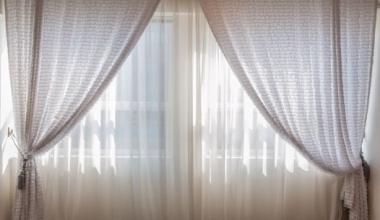
Sheer curtains allow natural light to filter into a room while providing privacy. Lightweight organic cotton, linen, and bamboo viscose make beautiful sheer fabrics. They are delicate yet sustainable. For a truly eco-friendly sheer, look for unbleached or natural-color options, which save water and energy from dyeing. White and off-white sheers in natural fibers also help brighten a room, reducing the need for electric lighting.
Velvet Curtains
Velvet adds a touch of luxury and warmth, and it also has excellent sound-dampening properties. Conventional velvet is often made from polyester. Sustainable alternatives include velvet made from organic cotton, hemp, or recycled fibers. Some manufacturers produce a crush velvet from Tencel that is incredibly soft and drapes well. For a high-end look, consider hemp velvet or cotton velvet with a natural backing. These fabrics provide thermal insulation and a rich, tactile experience.
Acoustic Curtains
Acoustic curtains are designed to absorb sound and reduce echo. They are often made from heavy, dense fabrics. Sustainable acoustic curtains can be produced using thick organic wool, which is naturally sound-absorbent and flame-resistant. Wool is a renewable resource that biodegrades easily. Another option is to use recycled cotton or hemp felt. When selecting acoustic curtains, check for the Noise Reduction Coefficient (NRC) rating. Sustainable materials can achieve high NRC values when layered properly.
Care Tips for Sustainable Curtains
Proper care not only keeps your curtains looking great but also extends their lifespan, reducing the need for replacements.
Washing and Drying
- Check the label: Follow the manufacturer's instructions. Most natural fiber curtains can be machine washed in cold water on a gentle cycle.
- Use eco-friendly detergents: Choose plant-based, biodegradable detergents without phosphates or optical brighteners.
- Air dry: Avoid the tumble dryer. Hang curtains back up while slightly damp to let them dry naturally and minimize wrinkles. This saves energy and prevents fiber damage.
- Spot clean: For small stains, use a damp cloth and mild soap instead of washing the entire curtain.
Repair and Upcycling
Don't discard curtains at the first sign of wear. Simple repairs can give them a second life.
- Fix hems: Re-stitch loose hems or replace damaged grommets.
- Patch holes: Use decorative patches or visible mending techniques to add character.
- Repurpose: Turn old curtains into cushion covers, table runners, or usable fabric for other DIY projects.
- Donate: If you no longer need them, donate curtains to charity or textile recycling programs.
The Future of Sustainable Curtain Fabrics
Innovation is driving the development of even more sustainable fabrics. New fibers made from agricultural waste, such as banana stems, pineapple leaves, and coffee grounds, are being tested for textile use. Bio-based polyesters, derived from corn or other renewable sources, are emerging as alternatives to petroleum-based synthetics. Additionally, the circular economy is gaining traction, with brands offering take-back programs where old curtains are recycled into new fibers. As consumers continue to demand sustainability, these advancements will become more mainstream and accessible.
Conclusion: Making the Switch to Sustainable Curtain Fabrics
Choosing sustainable curtain fabrics is a powerful way to reduce your environmental impact while enhancing your home's comfort and style. Whether you opt for organic cotton sheers, linen blackouts, hemp velvets, or recycled polyester acoustic drapes, every sustainable choice makes a difference. Remember to look for certifications, eco-friendly dyes, and durable construction. And when you care for your curtains responsibly, you maximize their lifespan and minimize waste. By considering the entire lifecycle of your window treatments, you can create a greener, healthier living space that you can be proud of.
| Material | Eco-Friendliness | Durability | Best Uses | Key Certifications |
|---|---|---|---|---|
| Organic Cotton | High (when organic) | Good | Sheer, blackout, all types | GOTS, OEKO-TEX |
| Linen | High | Excellent | Sheer, relaxed blackout | European Flax, OEKO-TEX |
| Hemp | Very High | Excellent | Blackout, acoustic, textured | OEKO-TEX |
| Recycled Polyester | Medium-High | Very Good | Blackout, acoustic | GRS, OEKO-TEX |
| Bamboo Viscose | Medium (variable) | Good | Sheer, soft velvet | OEKO-TEX, EcoVero (for Lyocell) |
| Tencel/Lyocell | Very High | Good | Sheer, soft velvet | OEKO-TEX, EU Ecolabel |