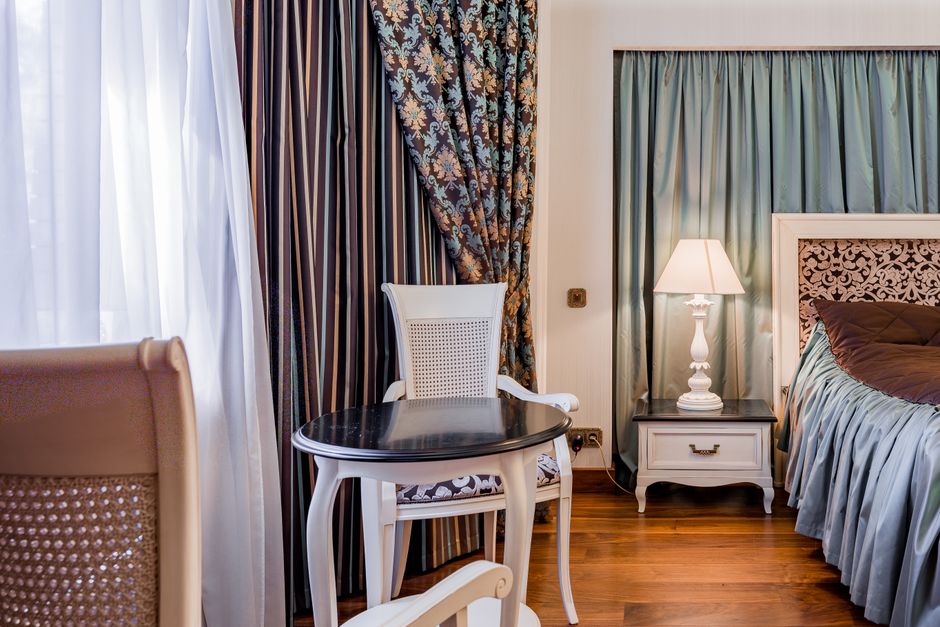
Why Hospitality Fabric Standards Matter
When specifying curtains, drapes, or upholstery for hotels, resorts, restaurants, or conference centers, you are not just selecting colors and textures. You are also agreeing to meet strict safety, durability, and performance criteria. Hospitality fabric standards exist to protect guests, staff, and your business from fire incidents, premature wear, and unhealthy indoor air. Non-compliance can lead to failed inspections, liability lawsuits, and costly replacements. In this in-depth guide, we break down the key standards you need to know for blackout, sheer, velvet, and acoustic curtain fabrics, and we offer practical tips for making the right specifications.
___PROTECTED_1___
Key Fire Safety Standards for Hospitality Fabrics
Fire safety is the most critical component of hospitality fabric standards. Public spaces are subject to strict building codes, and curtains are considered interior finishes that can accelerate fire spread. The following tests and certifications are the most widely accepted.
NFPA 701 (Vertical Flame Test)
Developed by the National Fire Protection Association, NFPA 701 measures flame propagation of textiles and films. It is the benchmark for draperies and curtains in the United States. Fabrics that pass this test are considered flame retardant and are acceptable for use in commercial buildings. There are two methods: Method 1 for fabrics over 700 g/m² and Method 2 for lighter fabrics. Most sheer and blackout curtain fabrics must meet Method 2.
CAL TB 117
California Technical Bulletin 117 (now 117-2013) is a flammability requirement for upholstered furniture, but it is often extended to fabric applications in hospitality. The 2013 update eliminated the open-flame test for most residential products, but commercial hospitality projects still often require the smolder test. If you are sourcing velvet or heavy upholstery fabrics for lobby furniture, ensure they meet CAL TB 117-2013.
IBC and IFC Compliance
The International Building Code (IBC) and International Fire Code (IFC) reference NFPA 701 and other standards. Local jurisdictions adopt these codes, so your fabric spec should be verified against the relevant code year (e.g., IBC 2021). Often, a certificate of compliance from the fabric manufacturer is required by the building inspector or the hotel's insurance underwriter.
| Standard | Application | Test Focus |
|---|---|---|
| NFPA 701 | Drapes, curtains, decorative textiles | Flame spread, after-flame time |
| CAL TB 117 | Upholstery, padding | Smolder resistance |
| ASTM E84 | Wall panels, large interior surfaces | Surface flame spread, smoke developed |
___PROTECTED_2___
Durability Standards: Double Rubs and Tensile Strength
Hospitality furniture and curtains experience heavy use, frequent cleaning, and environmental stress. The industry standard for measuring fabric durability is the Wyzenbeek test, which rubs a cotton duck fabric back and forth across the fabric surface. The number of cycles before significant wear is recorded as “double rubs.” The Martindale test is used in Europe and measures abrasion with a circular motion.
For hospitality curtains, a minimum of 15,000 double rubs is recommended for drapes, while upholstery-grade fabrics should have 30,000 to 50,000 double rubs for heavy public areas. Blackout fabrics with a foam backing may have a lower rub count, so specify a fabric where the coating is bonded to withstand repeated opening and closing.
Other Durability Metrics
- Tensile strength – measures tear resistance; important for tall vertical curtains.
- Seam slippage – ensures seams do not pull apart under stress.
- Colorfastness – resistance to fading from sunlight or cleaning chemicals.
- Pilling resistance – for velvet and upholstery, to avoid a fuzzy, worn look.
Acoustic Performance Standards for Curtain Fabrics
Noise is a major complaint in hotels and conference venues. Acoustic curtain fabrics are designed to absorb sound, reducing echo and noise transmission. The two key ratings are:
- NRC (Noise Reduction Coefficient) – measured from 0 to 1, with higher values indicating better sound absorption. Hospitality acoustic curtains should have an NRC of 0.50 or higher.
- STC (Sound Transmission Class) – measures how much a material reduces sound passing through it. For curtains that act as room dividers, an STC of 20+ can help muffle conversation.
Velvet is naturally sound-absorbing due to its dense pile, and heavier blackout linings also improve acoustic performance. When specifying, look for third-party test reports or ask the manufacturer to provide them.
Blackout and Light Control Standards
Guests expect the ability to sleep in complete darkness. Blackout fabrics typically have a dark coating or triple-weave construction that blocks light. There is currently no single universal standard for blackout levels, but the industry uses light transmission percentage and UPF (Ultraviolet Protection Factor).
- Light transmission – a blackout fabric should transmit less than 1% of light.
- UPF rating – a UPF of 50+ indicates excellent UV protection, preventing furniture fading.
In hospitality, you may also need the fabric to comply with ASTM E1399 for blackout lining materials. This test assesses the light-blocking ability of a fabric system when attached to a curtain.
Environmental and Health Certifications
Modern hospitality projects increasingly require sustainable and non-toxic materials. Some key certifications to look for:
- OEKO-TEX Standard 100 – certifies that no harmful substances are present in fabric.
- GREENGUARD / GREENGUARD Gold – verifies low chemical emissions for indoor air quality.
- GOTS (Global Organic Textile Standard) – for organic fiber curtains.
- LEED contribution – using fabrics that meet emission standards can help earn points toward LEED certification.
These certifications are particularly important for guest rooms and public areas where occupants may have allergies or chemical sensitivities.
How to Specify Hospitality Fabrics: Practical Checklist
Follow these steps to ensure you meet all hospitality fabric standards:
- Identify your jurisdiction – confirm which building codes and fire standards apply.
- Request compliance certificates – ask manufacturers for test reports from accredited labs (UL, Intertek, etc.).
- Match the standard to the application – a sheer window curtain requires NFPA 701, while a banquet chair needs CAL TB 117.
- Balance aesthetics and performance – velvet may be beautiful, but ensure it meets abrasion and fire standards.
- Plan for maintenance – some flame retardant treatments can wash out; specify fabrics with inherent flame retardancy (e.g., modacrylic, polyester) for longevity.
- Verify acoustic data – if you are using acoustic curtains, demand NRC/STC test results from a certified lab.
- Document everything – keep records of all fabric specifications and test reports for future renovations and insurance audits.
Common Mistakes to Avoid
- Assuming “blackout” means fire-resistant – blackout properties and fire resistance are separate. Always check both.
- Overlooking local code variations – a fabric that passes NFPA 701 might not meet a stricter local code like the New York City MEA approval.
- Ignoring durability for decorative sheers – a top-quality sheer can easily tear in a high-traffic hotel hallway. Specify reinforced hems and a higher tensile strength.
- Skipping acoustic testing – a fabric might feel heavy but absorb little sound. Only trust certified literatures.
- Choosing high-maintenance fabrics – velvet is sumptuous, but if it is not treated for stain resistance, it will quickly look tired. Look for Nano-Tex or Scotchgard finishes.
Conclusion
Navigating hospitality fabric standards can seem daunting, but a systematic approach makes it manageable. Start with fire safety (NFPA 701 and local codes), then add durability, blackout, acoustic, and environmental certifications based on your project’s needs. By working with reputable manufacturers and insisting on third-party test documentation, you can create beautiful, safe, and long-lasting interiors that meet every compliance requirement.
Need help sourcing certified hospitality fabrics? Contact our experts for a free consultation and receive a curated list of compliant blackout, sheer, velvet, and acoustic options.