When it comes to curtains and drapery, safety is not just about aesthetics. Flame retardant (FR) standards ensure that fabrics meet specific requirements to resist ignition and slow the spread of fire. Whether you are a specifier, interior designer, or business owner, understanding FR standards is essential for compliance and peace of mind. This comprehensive guide unpacks the key FR standards, testing methods, and practical considerations for choosing and maintaining flame-retardant fabrics.
What Are FR Standards?
Flame retardant standards are regulatory guidelines or industry norms that define how materials should perform when exposed to fire. They set the minimum acceptable levels of flame propagation, the time ti ignite, heat release, smoke generation, and even the formation of burning droplets. For fabrics used in public spaces, compliance with FR standards is not optional — it is often a legal requirement. FR standards are developed by national and international bodies, such as ISO, CEN, and ASTM, and are enforced through building codes and fire safety regulations.
___PROTECTED_1___
Key International FR Standards for Fabrics
Different countries and regions maintain their own FR standards, but several have become widely adopted across the globe. If you are sourcing or manufacturing curtain fabrics, these are the ones you are most likely to encounter.
| Standard | Region | Key Test | Typical Requirement |
|---|---|---|---|
| NFPA 701 | United States | Vertical flame test | Max char length 6.5 in, afterflame ≤ 2 s |
| BS 5867 | United Kingdom | Small and large scale vertical test | Class C: max char length 150 mm, afterflame ≤ 5 s |
| EN 13773 | European Union | Vertical flammability | Classes E to F, with E being the easiest to ignite |
| AS/NZS 1530 | Australia/New Zealand | Flammability index | Ignitability index 0-20, spread of flame index 0-10 |
| GB/T 5455 | China | Vertical burning test | Char length ≤ 150 mm, afterflame ≤ 5 s |
NFPA 701 (United States)
NFPA 701 is the most commonly referenced standard for flame propagation of textiles and films in the United States. It offers two testing options: Test 1 for general fabrics used in window treatments, and Test 2 for lightweight fabrics. The test involves exposing a vertically mounted sample to a controlled flame for a specific period, then measuring the afterflame time and char length. Compliance is usually verified by an accredited laboratory, and certificates are often valid for a set period.
BS 5867 (United Kingdom)
BS 5867 is a UK standard specifically for curtains and drapes. It comprises two testing methods: Type A (small scale) and Type B (large scale). The standard classifies fabrics into Classes A, B, and C based on their performance. Most public buildings require at least Class C, which demands a maximum char length of 150 mm and an afterflame time of 5 seconds when tested vertically. This standard also assesses the ignition of edges and surface as well as the formation of flaming debris.
EN 13773 (European Union)
EN 13773 focuses on the classification of curtains and drapes based on their burning behaviour. The standard employs a vertical flammability test and classifies fabrics from Class E (easiest to ignite) to Class F (hardest to ignite). It also considers the formation of burning droplets that could cause secondary fires. Many EU countries mandate Class F for curtains in high-risk areas such as hospitals and schools.
___PROTECTED_2___
How Are Fabrics Tested for Flame Retardancy?
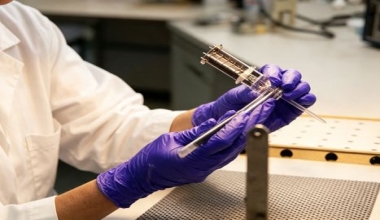
Testing for flame retardancy involves subjecting fabric samples to standardised conditions that simulate a small flame source. Depending on the standard, the sample is mounted vertically, at a 45-degree angle, or horizontally. The most common metrics are:
- Afterflame time: How long the fabric continues to burn after the ignition flame is removed.
- Char length: The distance the fabric burns from the point of ignition to the end of the charred area.
- Burning droplets: Whether molten drips ignite a cotton pad placed beneath the sample.
These tests are designed to simulate real-world fire risks, such as a lit cigarette, a match, or a candle. They are performed in controlled laboratory conditions with specified humidity and temperature levels. If a fabric passes the relevant test, it receives a certificate that must be updated whenever the fabric composition changes.
Inherent vs. Treated and Coated FR Fabrics
Fabrics achieve flame retardancy in three main ways: by being inherently FR, by undergoing chemical treatment, or by having an FR coating. Each approach has its own advantages and trade-offs.
Inherently FR Fabrics
Inherently flame-retardant fabrics are made from fibres that have built-in flame resistance, such as modacrylic, Trevira CS, and aramid. The FR property is part of the polymer structure, so it cannot be washed out or wear off. These fabrics are ideal for applications that require frequent cleaning or long-term durability, such as in hotels and hospitals. They tend to be more expensive, but they offer consistent performance over the entire lifespan of the fabric.
Treated FR Fabrics
Most cotton and cotton-blend fabrics can be chemically treated with flame-retardant solutions. This process typically involves applying a chemical finish that reacts with the fibres to reduce combustibility. Treated fabrics are generally less expensive than inherent FR fabrics, but the finish can degrade with washing and exposure to ultraviolet light. Many finishes are also sensitive to the use of certain laundry products, which is why care instructions are critical. Some treated fabrics require re-treatment after a specified number of washes to maintain their certification.
Coated FR Fabrics
Coated fabrics have a flame-retardant coating applied to the back of the material, often in addition to a colour or finish. This method is common for blackout and acoustic curtains where the coating also enhances opacity or sound absorption. These fabrics perform well in terms of FR, but the coating can peel or crack over time, especially if the fabric is folded or pleated. They may also reduce the fabric's breathability.
How to Choose FR Fabrics for Curtains and Blinds
Selecting the right FR fabric requires a balance between safety, performance, and budget. Here are some practical tips:
- Identify the applicable regulation: Check local building codes and fire safety regulations for your specific environment (e.g., offices, restaurants, theatres).
- Verify the certificate: Always request a current FR test certificate from the manufacturer or supplier. Make sure the certificate matches the exact fabric specification.
- Consider the intended use: High-occupancy spaces and environments with ignition sources (e.g., kitchens, welding areas) need higher-rated fabrics.
- Weigh durability against cost: If you need a long-term solution, inherent FR fabrics may be more economical over time, even if the upfront cost is higher.
- Think about maintenance: If you expect frequent washing or cleaning, choose a fabric that retains its FR properties or one that can be re-treated.
Care Tips to Maintain FR Properties
Even the best FR fabric will fail if it is not maintained properly. Follow these care tips to ensure your curtains continue to meet the required standards:
- Read the label: Always follow the manufacturer's care instructions. Many FR fabrics have specific washing temperatures and cleaning methods.
- Avoid harsh detergents: Use mild, non-alkaline detergents. Some detergents contain compounds that can neutralise the flame retardant finish.
- Skip bleach and fabric softeners: These can strip the FR treatment and increase flammability.
- Dry thoroughly: Always dry fabrics completely. Moisture can affect the performance of some FR finishes.
- Monitor for re-treatment: If you choose a treated fabric, talk to your supplier about re-treatment procedures. Some finishes need to be reapplied after 20–30 industrial washes.
- Inspect regularly: Check for signs of degradation, such as thinning, discolouration, or cracks in coatings. Replace damaged curtains immediately.
Industry Application Cases and Compliance
FR standards are not just a formality—they save lives. Here are a few examples of how different industries rely on these regulations:
Hospitality
Hotels, restaurants, and event venues must comply with strict fire codes. In a typical hotel, curtains in guest rooms and corridors are required to meet national standards. A major hotel chain once had to recall curtains after they failed the NFPA 701 test due to a change in the fabric lining. To avoid such issues, the chain now uses inherently FR blackout curtains and conducts random in-house testing. This proactive approach protects guests and avoids costly downtime.
Healthcare
Hospitals and clinics have high safety requirements because patients may be immobile. EN 13773 Class F or equivalent is often mandated. In one hospital, the installation of new acoustic curtains in patient rooms required not only FR compliance but also sound absorption. The selected fabric combined inherent FR fibres with an acoustic backing, meeting the stringent standards while improving the healing environment. Regular laundering with an approved protocol kept the curtains safe for daily use.
Education and Public Buildings
Schools, libraries, and government buildings have shared public spaces where fire safety is paramount. In the UK, BS 5867 is commonly specified for school curtains. A school district opted for treated cotton curtains for the classrooms, but after several washes, the FR finish faded. They switched to inherently FR polyester, which not only reduced maintenance but also provided better light control for audio-visual equipment. The district now includes FR test certificates in its procurement checklists.
Conclusion
Understanding FR standards is more than a legal requirement—it is a core responsibility for anyone who supplies or installs curtains and fabrics in public spaces. By familiarising yourself with key regulations like NFPA 701, BS 5867, and EN 13773, you can make informed decisions that protect lives and property. Remember to verify certifications, choose between inherent and treated FR materials based on your maintenance and budget needs, and follow strict care guidelines to preserve the flame-retardant properties over time.
Ready to find FR-certified fabrics for your next project? Consult our expert team or request a free sample to see how we combine safety with style.