What Is BS5867?
BS5867 is a British Standard that specifies requirements for the flame retardant performance of fabrics used in the making of curtains, drapes, and blinds. It is one of the most widely cited fire safety standards in the UK for interior textiles, especially in public buildings, hotels, hospitals, schools, and other commercial spaces. The standard defines different types of fabric based on their end use, and sets out test methods to determine how easily a fabric ignites, how it burns, and whether it produces flaming droplets.
For manufacturers, importers, and specifiers, understanding BS5867 is essential for ensuring compliance with UK building regulations and fire safety legislation. It is not a legal requirement for all curtain fabrics, but it is a clear marker of quality and safety, and it is often demanded by contract buyers and interior designers.
___PROTECTED_1___
Why BS5867 Matters for Curtain Fabrics
Curtains and drapes can be a significant fire hazard in any building. They are large vertical surfaces that can catch fire quickly and spread flames to ceilings and other furnishings. In the event of a fire, the behaviour of the fabric can influence the speed of fire spread and the production of toxic smoke. BS5867 helps to mitigate these risks by providing a recognised benchmark for flame retardancy.
In the UK, the Regulatory Reform (Fire Safety) Order 2005 places a duty on building owners and employers to ensure that fire safety measures are in place. This includes the choice of soft furnishings, particularly in escape routes and high-occupancy areas. Using fabrics that meet BS5867 can help demonstrate due diligence and compliance.
___PROTECTED_2___
The Different Types of BS5867: Type A, B, C, and D
BS5867 is divided into four types, each designed for a specific application and level of risk. The type is determined by the fabric's reaction to heat and flame, and each type corresponds to different test methods and performance criteria.
| Type | Application | Key Requirement |
|---|---|---|
| Type A | Curtains and drapes in public buildings, hotels, and commercial spaces | Must not have a flame spread that exceeds a specific rate, and no flaming droplets that ignite cotton waste. |
| Type B | Curtains and drapes in high-risk areas, such as hospitals and care homes | More stringent than Type A, with limited flame spread and surface ignition. |
| Type C | Curtains and drapes that are semi-permanent or in low-risk areas | Applies to fabrics that cannot meet Type A or B, but still need a level of fire resistance. |
| Type D | Net curtains and lightweight fabrics | Requires the fabric to self-extinguish under specific test conditions. |
It is important to note that the type required will depend on the building's risk assessment and the location of the curtains. Type A is often considered the baseline for contract use, while Type B offers a higher level of protection for vulnerable occupants.
How BS5867 Testing Works
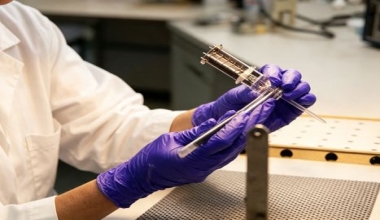
The standard employs small-scale flame tests to assess the ignition resistance of a fabric. The most common test is the vertical flame test, where a fabric specimen is held vertically and exposed to a small flame for a specified duration. The test measures:
- The time it takes for the fabric to ignite.
- The speed of flame spread across the surface.
- The after-flame time (how long the fabric continues to burn after the test flame is removed).
- Whether flaming droplets fall from the fabric and ignite a cotton lint base.
Additional tests may include the 'edge ignition' and 'surface ignition' methods. Edge ignition simulates a flame applied to the cut edge of the fabric, while surface ignition mimics a flame applied to the face of the fabric. These tests help determine the fabric's behaviour in different scenarios.
For a fabric to meet BS5867, it must achieve specific performance criteria depending on its type. For example, Type A requires that the after-flame time is less than 5 seconds, and there must be no evidence of glowing combustion reaching the edge of the specimen.
BS5867 and Different Fabric Types
Not all curtain fabrics are the same, and BS5867 applies differently depending on the material and construction. Here is how the standard relates to the common fabric categories found on our website.
Blackout Curtain Fabrics
Blackout fabrics are typically made from multiple layers, often including a PVC or acrylic coating to block light. This coating can affect flammability. Many blackout fabrics are inherently flame retardant or are treated with a chemical finish to meet BS5867. When choosing blackout fabric for contract use, it is critical to verify that the finished fabric meets the required type, as the coating can sometimes degrade the flame retardant properties.
Sheer Curtain Fabrics
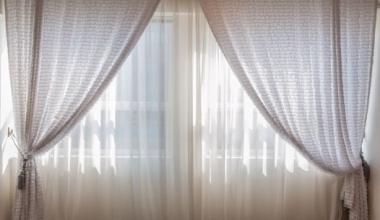
Sheers are lightweight, often made from polyester or nylon. Because they are so thin, they can ignite easily. Type D is specifically designed for sheers and lightweight fabrics, but many sheer fabrics used in commercial settings are treated to meet Type A or B. It is essential to check the specific BS5867 rating for each sheer fabric, as some may be more suitable than others for public spaces.
Velvet Curtain Fabrics
Velvet has a luxurious pile that can be more challenging to make flame retardant. The pile can accelerate flame spread, and the backing may behave differently. Treated velvet fabrics can achieve Type A or B, but the finish may alter the hand feel and drape. Always request samples and test reports when specifying velvet for high-risk areas.
Acoustic Curtain Fabrics
Acoustic curtains are designed to absorb sound and often have a heavy, dense construction. They are frequently used in auditoriums, offices, and recording studios. These fabrics may be made from polyester or cotton with multiple layers. BS5867 compliance is crucial in such settings because acoustic drapes are often the only separation between a stage and an exit. Many acoustic fabrics are manufactured with inherent flame retardant properties to meet Type A or B.
How to Choose the Right BS5867 Rating
Selecting the appropriate BS5867 type depends on several factors:
- Building use: Public buildings like theatres, schools, and hospitals typically require higher ratings (Type A or B).
- Occupant vulnerability: Buildings that accommodate elderly, disabled, or children may need Type B for extra safety.
- Fabric type: Lightweight sheers may only achieve Type D if not treated, but in a public building you should insist on Type A or B.
- Local regulations: Always check with your local authority or fire officer for specific requirements.
- Maintenance: Some flame retardant treatments can wash out over time. Choose a fabric with durable, inherent flame retardancy if possible.
When in doubt, ask for the fabric's test certificate. Reputable suppliers will have documentation proving their fabric meets BS5867. This certificate should show the test methods used, the results, and the type achieved.
Care and Maintenance of Flame Retardant Fabrics
Proper care is essential to maintain the flame retardant properties of your curtains. Incorrect washing or dry cleaning can strip chemical treatments, reducing effectiveness. Here are practical tips:
- Always follow the manufacturer's care label instructions.
- Use detergents that are non-alkaline and do not contain bleach, as these can degrade the finish.
- Dry cleaning is often recommended for treated fabrics, but ensure the dry cleaner uses a solvent suitable for flame retardant textiles.
- Re-treat fabrics that are washed frequently or after a certain number of washes, especially if they are in high-use areas.
- Regularly dust and vacuum curtains to prevent the buildup of flammable dust particles.
- If a curtain is damaged, repair it promptly; a torn edge can expose a flammable thread structure.
Frequently Asked Questions About BS5867
Is BS5867 a legal requirement?
BS5867 is not automatically a legal requirement, but it is a common specification in contract buildings. The Regulatory Reform (Fire Safety) Order 2005 requires that fire safety measures are adequate, and meeting BS5867 is a recognised way to comply for curtains and drapes.
What is the difference between BS5867 and BS EN 13772?
BS EN 13772 is a European standard for the determination of burning behaviour of textiles used in curtains and drapes. BS5867 is the British standard, and the two are often used together or as alternatives. BS5867 includes the Type A, B, C, D classification, while BS EN 13772 focuses on test methods.
Can I treat my own curtains to meet BS5867?
It is possible to apply flame retardant sprays or treatments to existing curtains, but it is difficult to guarantee consistent compliance without professional testing. It is safer to purchase fabrics that already meet the standard.
Do blackout linings need to meet BS5867?
Yes, any fabric used in the construction of a curtain, including linings and interlinings, should be considered for fire safety. The entire finished curtain system should meet the required BS5867 type.
Conclusion
BS5867 is a vital standard for anyone involved in selecting, specifying, or installing curtain fabrics in public and commercial spaces. Understanding the different types, testing methods, and care requirements ensures that you not only comply with the law but also provide a safer environment for occupants. Whether you need blackout, sheer, velvet, or acoustic fabrics, always verify the BS5867 rating and choose a supplier that provides transparent certification. By doing so, you protect lives, property, and your professional reputation.