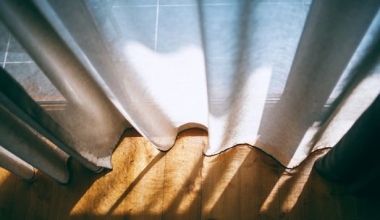
Choosing the perfect curtains for your home or commercial space is more than just picking a color. The right curtains can transform a room's ambiance, improve energy efficiency, control light, and even enhance acoustics. This comprehensive curtain buying guide explores the most popular fabric types—blackout, sheer, velvet, and acoustic—and provides practical tips on measuring, installation, and care. By the end, you'll be equipped to make a confident and informed decision.

1. The Basics of Curtain Fabrics
Curtain fabrics are categorized primarily by their weight, weave, and functional properties. Lightweight options like sheers allow diffused light, while heavyweight fabrics like velvet offer insulation and light blockage. Acoustic fabrics are engineered with dense layers and special weaves to absorb sound, making them ideal for offices and recording studios. When selecting a fabric, consider the room's function, the amount of natural light, desired privacy, and overall style.
Fabric Comparison Table
| Fabric Type | Light Control | Privacy | Insulation | Sound Absorption | Best For |
|---|---|---|---|---|---|
| Sheer | Low | Partial | Poor | Poor | Living rooms, layering |
| Velvet | High | Full | Excellent | Good | Bedrooms, luxury settings |
| Blackout | Very High | Full | Excellent | Good | Nurseries, home theaters |
| Acoustic | Medium to High | Full | Good | Excellent | Offices, studios, classrooms |
___PROTECTED_1___
2. Blackout Curtains: The Light Killers
Blackout curtains are designed to block out almost all external light, creating a dark environment ideal for sleep or media rooms. They are often made with a dense fabric coated in a dark backing or a triple-weave construction. This not only prevents sunlight from entering but also adds a layer of insulation, helping to keep rooms cooler in summer and warmer in winter.
Key Benefits
- Improved sleep quality by blocking morning light and street lamps
- Protection for furniture and flooring from UV fading
- Energy savings through additional thermal insulation
- Noise reduction to a moderate extent
Selection Tip: Look for a 'total blackout' label or a dark, opaque lining. Grommet or rod-pocket headings can be effective, but for maximum light blockage, consider a track system with side channels.
___PROTECTED_2___
3. Sheer Curtains: Bringing in Soft Light
Sheer curtains are lightweight, often made from cotton, linen, or polyester weaves that allow natural light to filter through while offering a measure of daytime privacy. They create an airy, elegant look and can be used alone or as a layer under heavier drapes.
How to Style Sheers
- Use them on their own in living rooms to create a breezy, informal feel.
- Layer with blackout or velvet curtains for a flexible window treatment – sheers during the day, heavier curtains at night.
- Choose crisp white or neutral tones for a classic look, or experiment with subtle patterns for added texture.
Sheers are not ideal for energy efficiency or noise control, so they are best used in climates where temperature control is less of a concern.
4. Velvet Curtains: Luxury and Insulation
Velvet is a sumptuous fabric that instantly elevates any space. Its dense pile not only looks luxurious but also provides excellent thermal insulation and substantial sound absorption. Velvet curtains hang beautifully and add a sense of drama and warmth to bedrooms, home theaters, and classic living rooms.
Considerations
- Weight: Velvet is heavy, so use a sturdy rod and wall anchors.
- Cleaning: Many velvets require dry cleaning; always check the label.
- Light Fading: Direct sunlight can fade velvet, so consider a sheer back or lining.
- Cost: Velvet is generally more expensive than other curtain fabrics.
For a modern twist, look for crush velvet or polyester blends that are more durable and easier to maintain than traditional cotton velvet.
5. Acoustic Curtains: Sound-Absorbing Solutions
Acoustic curtains are specially engineered to reduce noise pollution. They are typically made with multiple layers of dense fabric, often including a thick felt core, and are designed with pleats that help trap sound waves. These curtains are essential for home offices, home theaters, recording studios, restaurants, and any space where controlling echo or external noise is important.
How They Work
Sound waves are absorbed when they pass through layered, porous materials. Acoustic curtains have a high Noise Reduction Coefficient (NRC), which means they can absorb a significant percentage of ambient noise. They also provide a partial thermal barrier, making them a dual-purpose investment.
Pro Tip: For the best soundproofing effect, install acoustic curtains with a pelmet and ensure they extend several inches beyond the window frame and touch the floor or just above it.
6. How to Choose the Right Curtains for Each Room
Selecting the right fabric depends on the room's primary function. Here's a quick guide:
| Room | Recommended Fabric | Why It's Best |
|---|---|---|
| Bedroom | Blackout or Velvet | Darkness and thermal comfort for sleep |
| Living Room | Sheer + Velvet/Blackout layering | Versatility, privacy, and aesthetic appeal |
| Home Office | Acoustic | Reduces distractions, improves focus |
| Nursery | Blackout | Creates a dark, calm sleeping environment |
| Home Theater | Blackout + Acoustic | Ideal light control and sound quality |
| Restaurant/Cafe | Acoustic or Sheer | Atmosphere and noise reduction |
7. Measuring and Installation Basics
Accurate measurements are crucial for a professional look. Here are the key steps:
- Mounting Width: The curtain track or rod should be wider than the window, typically 20-30 cm on each side, to allow curtains to pull fully clear of the glass.
- Length: Decide if you want curtains to just touch the sill (floor-length is more formal and common). Add 1-2 cm for a subtle hover above the floor.
- Hanging Height: Mount rods 10-15 cm above the window frame to make the ceiling look higher.
- Fullness: For a full look, the curtain width should be 2 to 2.5 times the window width.
Use strong hardware, especially for heavyweight fabrics like velvet. If you're unsure, consult a professional installer.
8. Care and Maintenance Tips
Proper care extends the life of your curtains. Always follow the manufacturer's instructions, but these general guidelines will help:
Dust and Vacuum
- Vacuum your curtains weekly with a brush attachment to remove dust and allergens.
- Shake them out gently if they are not too heavy.
Washing
- Sheer curtains are often machine-washable on a delicate cycle.
- Blackout curtains may be spot-clean or dry clean only – check the label.
- Velvet should almost always be dry cleaned to preserve its texture.
- Acoustic curtains are usually too heavy for home washing; professional cleaning is recommended.
Ironing and Steaming
Remove wrinkles with a steamer for most fabrics. Set your iron to the correct heat setting for the fabric type and iron on the reverse to avoid shine marks.
9. Industry Application Cases
Curtains aren't just for homes. They play a vital role in many industries:
Healthcare
Hospitals use blackout curtains in patient rooms to control light and provide privacy, while acoustic curtains are used in waiting areas to reduce noise stress.
Education
Acoustic curtains in classrooms improve speech intelligibility by reducing echo, helping both teachers and students focus.
Hospitality
Hotels use a combination of sheers for daytime brightness and blackout drapes for night-time rest, with velvet adding a premium touch to suites.
Corporate and Commercial Spaces
Office conference rooms use acoustic curtains to minimize distractions and improve meeting privacy. Retail spaces often use blackout curtains to control glare and protect merchandise.
10. Conclusion: Making the Right Choice
In summary, the ideal curtain for your space depends on your specific needs for light control, privacy, thermal insulation, sound management, and aesthetic. Blackout and Velvet Curtains are excellent for sleeping areas and luxury settings, while sheer curtains create an airy feel in social spaces, and acoustic curtains are essential for noise-sensitive environments.
By considering the intended use, measuring accurately, and following proper care routines, you can make a purchase that serves you beautifully for years. Use this guide as your roadmap, and when in doubt, layer different types of curtains to combine the best of all worlds.