As a soft decoration category that combines functionality and decorativeness, velvet curtains occupy an important position in the field of interior decoration due to their unique material properties and technological advantages. This article will comprehensively analyze velvet curtains from three dimensions: advantages, disadvantages, and usage precautions, providing references for their rational application.
___PROTECTED_0___
1. Core Advantages Analysis
(1) Excellent Comprehensive Functionality
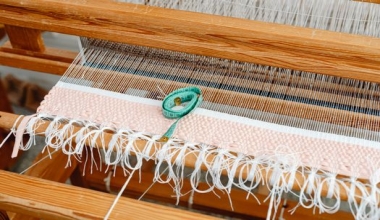
Velvet curtains possess excellent multi-functional properties, including moisture permeability, light shielding, sound absorption, heat insulation, and thermal insulation. This characteristic stems from their unique weaving process. The special fiber structure not only endows them with strong physical protection performance, which can effectively regulate indoor temperature and humidity, block external light and noise, and create a quiet and comfortable indoor environment, but also gives them extremely high color fastness, enabling them to maintain stable color for a long time without fading easily. At the same time, the velvet material has a delicate and soft touch, rich and full texture, and also has environmental protection and health attributes, meeting the demand for green soft decoration in modern homes.
(2) Outstanding Decorative Adaptability
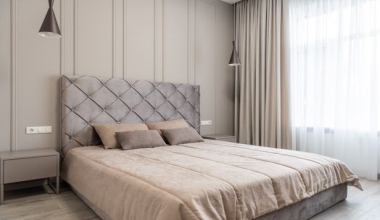
Decorativeness is one of the core advantages of velvet curtains. The napping process adopted gives the fabric a strong three-dimensional effect, with a luxurious, grand and heavy texture in appearance. Most of the colors of velvet curtains are soft tones, matched with exquisite pattern designs, and at the same time have excellent drape, presenting a neat and beautiful shape after hanging. Applying it to indoor spaces can effectively enhance the overall decoration style and strengthen the sense of luxury and layering of the space.
(3) Practical Environmental Protection and Style Adaptability
Velvet curtains adopt a dyeing process that combines dyes and fibers in depth. The dyes can penetrate into the interior of the fibers, which not only ensures uniform and deep coloring on both the front and back sides of the fabric, further enhancing color fastness, but also avoids the problem of easy fading of surface dyeing, making them more environmentally friendly and healthy. In terms of design, most velvet curtains adopt solid-color simple pattern printing, and some styles use two-color splicing design with obvious color difference between light and dark. They have a wide range of style adaptability, which can not only fit the modern minimalist style but also integrate into the European classical style, meeting different decoration needs. In addition, they also have the characteristic of being easy to clean, reducing daily maintenance costs.
2. Main Disadvantages Explanation
Despite their significant advantages, velvet curtains have obvious usage limitations due to material characteristics. Due to the strong adsorption of the fiber structure of the velvet fabric, it is very easy to accumulate dust, so it is not suitable for use in public spaces with frequent personnel flow and easy dust generation such as living rooms.
3. Cleaning and Usage Points
In view of the characteristic that velvet curtains are easy to accumulate dust, specific processes must be followed for daily replacement and cleaning: when replacing, first shake the curtains manually to let the attached dust fall off naturally; then immerse them in water containing cleaning agents for about 15 minutes, and then perform subsequent cleaning operations to ensure cleaning effect and protect the fabric structure.