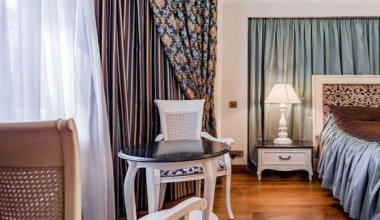
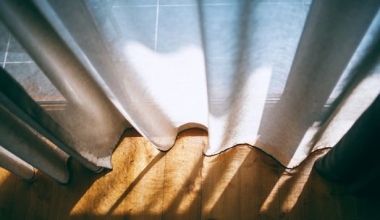
Smart curtains are no longer a futuristic luxury—they are a practical upgrade for modern homes and businesses. By combining motorized mechanisms with intuitive controls, smart curtains offer convenience, energy efficiency, and enhanced comfort. But choosing the right system involves more than just the hardware. Fabric selection plays a critical role in functionality, whether you need blackout for a home theater, sheer for diffused daylight, velvet for luxury, or acoustic panels for noise reduction. This comprehensive guide will walk you through every aspect of smart curtains, from technology to fabrics, installation, care, and industry applications.
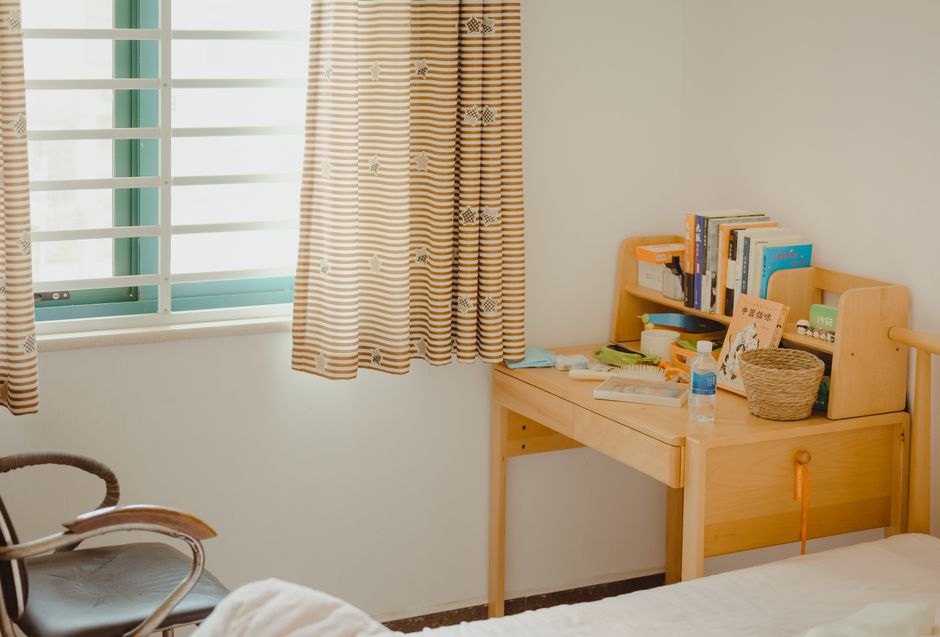
What Are Smart Curtains?
Smart curtains are window treatments that can be opened and closed automatically via a motor, remote control, smartphone app, voice assistant, or automated schedule. Unlike traditional curtains, they integrate into smart home ecosystems, allowing you to control natural light, privacy, and insulation with minimal effort. Some advanced models are equipped with sensors that respond to sunlight, temperature, or humidity, creating a truly responsive environment.
At their core, smart curtains consist of three components: the fabric, the track or rod, and the motor. The motor can be battery-powered, plug-in, or solar-powered, and it drives the curtain movement along a compatible track. Retrofit options are available for existing curtain rods, making it easy to upgrade without replacing your current décor.
___PROTECTED_1___
Types of Smart Curtains
Smart curtains come in several form factors, each suited for different windows and preferences.
- Motorized Curtains with Track Systems: These use a dedicated motorized track that glides smoothly. Ideal for large windows and heavy fabrics.
- Retrofit Motorized Curtain Rods: These replace your existing rod with a motorized version, allowing you to keep your current curtains.
- Smart Blinds: Not technically curtains, but often included in the category. They use hard or soft vanes and are controlled similarly.
- Smart Drapes: A hybrid of curtains and blinds, these are typically lighter and use a top-down or bottom-up motion.
When choosing a type, consider the weight of your fabric, the length of the track, and the availability of power sources. Heavy fabrics like velvet require more powerful motors, while lightweight sheers can be handled by smaller systems.
___PROTECTED_2___
Choosing the Right Fabric for Smart Curtains
The fabric you select determines the curtain's performance in terms of light control, insulation, acoustic damping, and aesthetics. Here's how to match the most popular smart curtain fabrics to your needs.
Blackout Fabrics
Blackout curtains are engineered to block 95–99% of external light. They are typically made from tightly woven polyester or a foam-backed fabric. For smart curtains, blackout fabric is a top choice for bedrooms, media rooms, and nurseries. The dense material also adds insulation, reducing heat loss in winter and heat gain in summer. When using blackout fabric with a motorized system, ensure the track is robust enough to handle the extra weight. Also look for side channels or overlap to prevent light leakage around edges.
Sheer Fabrics
Sheer curtains are lightweight, semi-transparent fabrics that diffuse natural light while providing a degree of privacy during the day. They come in polyester, voile, or linen blends. For smart curtains, sheers are perfect for living rooms and home offices where you want to maintain an open, airy feel. They are lightweight, so they place minimal stress on motors, resulting in faster operation and lower energy consumption. Shear curtains can be programmed to close during peak sun hours to protect furniture from UV damage.
Velvet Fabrics
Velvet is a luxurious, plush fabric that adds depth and sophistication to any space. It has excellent insulating properties and can also reduce outside noise to a moderate degree. However, velvet is heavy, so smart curtain motors must be rated for the weight. Look for a motor with a high torque capacity, especially for long curtains. Velvet is ideal for formal living rooms, master bedrooms, and boutique hotels. Its dense pile also helps absorb sound, making it a dual-purpose choice.
Acoustic Fabrics
Acoustic curtains are specially designed to absorb sound waves, reducing echo and noise transmission. They are made from dense, quilted materials or layered with acoustic foam. These curtains are perfect for home theaters, recording studios, open-plan offices, and conference rooms. When integrated with smart controls, you can lower acoustic curtains automatically during meetings or movie time, optimizing the acoustic environment. Keep in mind that acoustic curtains are often heavy and thick, so a professional-grade motorized track is recommended.
| Fabric Type | Light Control | Insulation | Noise Reduction | Best Use |
|---|---|---|---|---|
| Blackout | 95–99% block | Excellent | Moderate | Bedrooms, theaters |
| Sheer | Diffuse, partial | Low | Low | Living rooms, day zones |
| Velvet | High block | Very good | Good | Luxury spaces |
| Acoustic | High block (depending on liner) | Good | Excellent | Studios, offices |
Key Features to Look For in Smart Curtains
Not all smart curtains are created equal. To get the most out of your investment, consider these features:
Connectivity and Integration
Most smart curtains support Wi-Fi, Zigbee, or Z-Wave protocols. Ensure compatibility with your smart home hub (Alexa, Google Home, HomeKit, etc.). Some models work alone with their own app, which is fine, but integration opens up automation possibilities like closing curtains when the thermostat turns on.
Scheduling and Sun Sensors
Built-in schedules let you set opening and closing times. Sun sensors measure ambient light and adjust the curtains automatically to reduce glare or protect interior fabrics. Temperature sensors can also trigger curtains to close on hot days to keep rooms cooler.
Control Options
Choose a system that offers multiple control methods: a physical remote, a smartphone app, voice commands, and manual pull if the power goes out. Some advanced models offer gesture control or integration with motion sensors.
Power Source
Battery-powered motors are easier to install but need recharging. Plug-in motors are reliable but require a nearby outlet. Solar-powered options are eco-friendly but depend on panel placement. Consider your window's access to power before deciding.
Installation and Compatibility
Installing smart curtains can be a DIY project or a professional job, depending on complexity. Here are some important guidelines:
- Measure correctly: Always measure the width and drop of your window, plus any overlap needed for side mounting.
- Check the fabric weight: The motor's lifting capacity (kg) must exceed your curtain's total weight.
- Retrofit vs. new track: Retrofit motors (like Twill or SwitchBot) attach to your existing rod and pull the curtains by a hook. They work well for drapes with eyelets or hooks. For heavier fabrics, a dedicated motorized track is safer.
- Ceiling vs. wall mount: Ceiling mounts are hidden and elegant, while wall mounts are easier to retrofit. Ensure the mounting bracket is sturdy enough to support the curtain and motor.
- Power and safety: If using plug-in motors, hire an electrician for a recessed outlet. For cord-free operation, battery motors are simple but check the battery life.
Smart Curtains for Different Rooms
Living Room
In the living room, sheer curtains are often the best choice, as they maintain an open feel while adding privacy. Pair them with blackout curtains if you also watch movies during the day. Smart scheduling can automatically close sheer curtains in the late afternoon to prevent glare on TV screens.
Bedroom
For a bedroom, blackout fabric is essential for uninterrupted sleep. Smart curtains can be set to open gradually in the morning with a soft alarm, allowing natural light to wake you gently. Velvet blackout curtains offer a touch of luxury and improved insulation.
Home Theater
Home theaters demand total darkness and better acoustics. Blackout or acoustic curtains are ideal. Use a motorized track with side channels to eliminate light gaps. Sync the curtains to your movie mode, and they'll close as soon as you press play.
Office or Conference Room
Acoustic curtains help reduce background noise in offices, improving concentration. Smart automation can also schedule curtains to close during video conferences to minimize visual distractions and glare. Sheer options work well in break areas to create a relaxing atmosphere.
Care and Maintenance Tips
Smart curtains are an investment, so proper care extends their lifespan and keeps them looking pristine.
- Dust regularly: Use a vacuum with a brush attachment or a lint roller to remove dust from the fabric and the track.
- Spot clean: Most curtain fabrics can be spot-cleaned with a mild detergent and water. Always test on a hidden area first.
- Machine wash carefully: Some sheer and polyester curtains can be machine washed at 30°C on a gentle cycle. Velvet and acoustic curtains should be dry-cleaned to avoid damage.
- Keep the track clean: Wipe the track with a dry cloth every few months to ensure smooth operation.
- Battery care: If your motor uses batteries, recharge them before they fully deplete. Remove batteries if you won't use the curtains for a long time.
- Check for wear: Inspect the motor and mounting hardware annually for tightness and signs of wear.
Industry Applications and Case Studies
Smart curtains are widely used across many sectors, purely for convenience and performance.
Hospitality
Hotels and resorts use smart curtains to enhance guest experience. With motorized sheer and blackout layers, guests can control the ambiance via bedside tablets or voice assistants. In high-end suites, velvet drapes add a five-star feel while automated schedules save energy.
Healthcare
In hospitals and care facilities, smart curtains provide privacy for patients while reducing the physical strain on staff. Remote control allows nurses to adjust curtains without entering the room, which is especially valuable for infection control. Acoustic curtains in waiting areas reduce noise stress.
Corporate Offices
Office buildings use smart curtains to manage glare on server screens and to optimize daylight harvesting. By linking to building automation systems, curtains adjust based on the sun's position, reducing HVAC costs. Acoustic curtains in open-plan spaces improve speech privacy.
Retail and Exhibition
Retail stores use smart curtains to create dynamic window displays or to secure after-hours. In museums, they protect sensitive artwork from UV damage by closing automatically during peak sunlight. The ability to schedule these actions without staff intervention saves time and labor.
Frequently Asked Questions
Can I use my existing curtains with a smart motor?
Yes, in many cases. Retrofit smart motors like the SwitchBot can be attached to your existing curtain rod and use an extended hook to pull the curtains. However, these are best suited for light to medium-weight curtains. For heavier fabrics, you'll need a compatible motorized track.
How long do smart curtain batteries last?
Battery life depends on the motor design and usage. Most battery-powered systems last 3 to 6 months with average use. Some premium models offer solar charging or low-power modes that extend life to a year or more.
Are smart curtains worth it?
Absolutely, if you value convenience, energy efficiency, and the ability to automate lighting and privacy. They are especially beneficial for people with mobility limitations, tall windows, or multiple window coverings.
Do smart curtains work with voice assistants?
Yes, most modern smart curtain systems are compatible with Amazon Alexa, Google Assistant, and Apple HomeKit. You simply link the curtain's app to your voice assistant and use commands like 'Alexa, close the living room curtains.'
Conclusion
Smart curtains are a transformative addition to any space, blending cutting-edge automation with the timeless functionality of window coverings. By carefully selecting the right fabric—blackout for darkness, sheer for daylight, velvet for luxury, or acoustic for sound control—you empower your smart curtain system to deliver maximum comfort and efficiency. From residential living rooms to commercial office buildings, the benefits are clear: convenience, energy savings, and enhanced well-being. Follow the installation and care tips in this guide to ensure your smart curtains operate flawlessly for years to come. Whether you are building a new smart home or upgrading an existing space, investing in smart curtains is a bright idea.