What Are Eyelet Curtains?
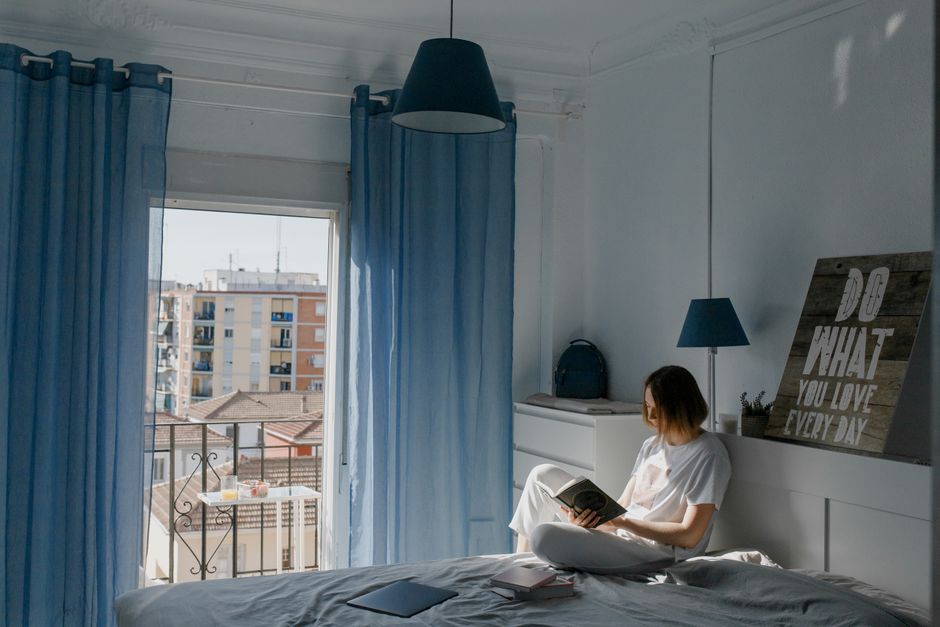
Eyelet curtains (also known as grommet curtains) are a popular window treatment style where the top of the fabric is reinforced with metal or plastic rings, creating eyelets that slide directly onto a curtain rod. The word "eyelet" refers to the hole that is fitted with a ring. This design allows for a sleek, modern, and evenly gathered look when the curtains are closed or drawn.
Unlike traditional pinch pleat or pencil pleat headings, eyelet curtains are relatively easy to install and operate. They are particularly suited for contemporary interiors, minimalistic decor, and anyone looking for a functional yet stylish window dressing.
Because eyelet curtains are threaded through a rod, they work with a wide range of pole styles, from wooden to metal, and require a specific pole diameter to fit the rings. In this guide, we'll explore everything you need to know about eyelet curtains – from measuring and choosing fabrics to hanging and caring for them.
___PROTECTED_1___
Benefits of Eyelet Curtains
Eyelet curtains offer a host of practical and aesthetic advantages that make them a go-to choice for many homeowners and interior designers.
Modern and Clean Aesthetic
The evenly spaced rings create soft, uniform folds that hang neatly from the rod. This gives a contemporary, uncluttered look that complements modern furniture and clean architectural lines.
Ease of Use
Sliding the curtains open and closed is effortless because the rings glide smoothly along the rod. There are no hooks, pleats, or cords to fumble with. This makes eyelet curtains a great choice for large windows or patio doors that are frequently accessed.
Simple Installation
Mounting eyelet curtains is straightforward. You simply place the rod through the eyelets and hang the rod onto its brackets. No additional curtain hooks or tapes are required.
Great for Wide Windows
If you have a wide window or want to make a window look wider, eyelet curtains can be mounted wider than the window frame, and the full-width rod allows the curtains to stack neatly to the sides without blocking the glass.
Versatility in Fabric Choice
Eyelet headings suit any fabric, from light and airy sheers to heavyweight blackout or velvet. This means you can achieve various levels of light control, insulation, and privacy depending on your needs.
___PROTECTED_2___
How to Measure for Eyelet Curtains
Getting the measurements right is crucial to ensure your eyelet curtains fit perfectly and provide the desired effect.
Determine the Curtain Pole Diameter
Eyelet curtains have pre-made holes; the standard internal diameter of an eyelet is about 40 mm (4 cm). Most curtain poles are between 28 mm and 35 mm in diameter. For the rings to slide smoothly, the pole should be no thicker than the eyelet inner ring. Measure your pole first, or choose a curtain pole that is compatible with the eyelet size.
Curtain Width
The width of the curtains should typically be 1.5 to 2.5 times the width of your window or the curtain pole. For a fuller, more gathered look, go for a higher multiple. If you have a standard 100 cm window, your curtain width should be at least 150 cm and ideally 200 cm to look luxurious.
Curtain Length
Eyelet curtains are usually available in standard lengths such as 183 cm, 228 cm, or 274 cm, but you can also order custom lengths. The length is measured from the top of the curtain, not including the rod. To achieve a 'kiss' look (just touching the floor), measure from the top of the pole to the floor and add 1-2 cm. For a 'puddle' look, add a few extra inches. For a neat, floating look, subtract 1 cm from the floor distance so the curtains hover just above the floor.
Remember to measure each window separately, as they can vary slightly. It's always better to choose curtains slightly longer than you think – you can always hem them, but you cannot easily add length.
How to Choose the Right Fabric for Eyelet Curtains
The fabric you choose for your eyelet curtains will affect light, insulation, privacy, and the overall look. Here's a breakdown of popular options:
| Fabric Type | Light Control | Privacy | Insulation | Best For |
|---|---|---|---|---|
| Blackout | Blocks 95-99% of light | Excellent | High | Bedrooms, media rooms, nurseries |
| Sheer | Softens light, not fully blocking | Low during day | Low | Living rooms, dining rooms, layering |
| Velvet | Blocks most light | Good | Excellent | Luxurious settings, winter insulation |
| Acoustic | Variable (often lined) | Good | Very high | Home offices, apartments, soundproofing |
Fabric Weight and Drape
Heavy fabrics like velvet and blackout linings tend to create crisp, structured folds that look stunning with eyelet headings. Lighter fabrics, such as sheer voile, create a more airy, flowing feel. Choose a fabric weight that matches the atmosphere you want to create.
Colour and Pattern
Eyelet curtains can be plain or patterned. Because the eyelets themselves are visible, they should complement the fabric. Metallic eyelets (silver, gold, black) can serve as a decorative accent. For a cohesive look, match the eyelet finish to your curtain pole or room hardware.
How to Hang Eyelet Curtains (Step-by-Step)
Hanging eyelet curtains is a DIY-friendly task. Follow these steps for a professional finish:
- Check your pole: Ensure the pole is clean and that the brackets are securely fitted. The pole diameter must fit through the eyelets.
- Lay the curtain flat: Unpack the curtains and lay them on a clean surface to remove any wrinkles. Use a steamer if necessary.
- Thread the rod through the eyelets: Starting from one end of the rod, slide the first curtain onto the rod. For multiple panels, thread both panels onto the rod before hanging.
- Position the curtains: Distribute the fabric evenly between the eyelets to create uniform panels. Ensure the leading edges (the edges that face the window) are facing the centre.
- Mount the rod onto brackets: Carefully lift the rod and place it onto the brackets. Most rods have screw-on finials that may need to be removed to slide the curtains on, then reattached.
- Adjust the folds: Once hung, smooth out the fabric and arrange the pleats by gently pulling the fabric to create a pleasing pattern. The eyelets should not be forced to fold flat; they are designed to allow a natural wave.
Things to Avoid When Hanging
- Do not use a rod that is too thick for the eyelets; this will cause friction and prevent smooth operation.
- Keep the rod long enough so that the curtains can be fully drawn to the sides without blocking the window glass.
- Make sure the curtain length is appropriate for the desired floor gap – too long and they'll drag, too short and they'll look like they're hovering in mid-air.
How to Care for Eyelet Curtains
Regular maintenance will keep your eyelet curtains looking fresh and extend their lifespan.
Dusting and Vacuuming
Use a vacuum cleaner with a soft brush attachment to remove dust and cobwebs weekly. You can also gently shake the curtains outdoors to dislodge loose dust.
Washing Instructions
Always check the care label. Many eyelet curtains can be machine washed on a gentle cycle, but it's wise to remove any metal eyelets if they are detachable (though most are fused and not removable). If the eyelets are fixed, wash the curtains inside out in a mesh laundry bag to protect the rings and the fabric from snagging. Use cold water and a mild detergent. Avoid spinning too high to prevent creasing.
For velvet curtains, dry cleaning is usually recommended. Acoustic curtains may have special linings that require professional care.
Drying and Ironing
Line dry or hang curtains back on the rod while slightly damp to help them settle. Use a steamer for stubborn wrinkles – never apply a hot iron directly to synthetic fabrics, as it can melt them. If ironing is essential, use a low heat setting and place a cloth between the iron and the curtain.
Cleaning the Eyelets
Wipe the metal rings with a dry cloth to remove tarnish or dust. Avoid using harsh chemical cleaners that could remove the coating. If the eyelets start to dull, a tiny amount of metal polish on a soft cloth can restore shine, but keep the polish away from the fabric.
Common Mistakes to Avoid
Even the most experienced decorators can make simple errors when choosing and hanging eyelet curtains. Here are the top pitfalls:
- Wrong pole diameter: As mentioned, the pole must be smaller than the inner eyelet diameter. Using a 40 mm pole with 40 mm eyelets will jam.
- Too narrow width: If the curtain is not wide enough, the fabric will look flat and stretched when closed. Always allow for extra width for fullness.
- Incorrect length calculation: Forgetting that eyelet curtains hang from the rings, not from the top of the fabric. The actual drop is slightly less than the total curtain length. Check the product specifications for the "cord drop" or "hanging length" to avoid curtains that are too long.
- Ignoring the eyelet finish: Matching the eyelet colour to the rod makes a unified look. Mixing silver eyelets with a brass rod can look mismatched unless done intentionally.
- Not using a rod that extends beyond the window: For maximum light, install the rod 15-20 cm beyond the window frame on each side. This allows the curtains to be pulled completely clear of the glass.
Frequently Asked Questions
Do eyelet curtains suit all window types?
Yes, eyelet curtains work for most standard windows, patio doors, and French doors. They are less ideal for arched or unusually shaped windows where custom curtain tracks are needed.
Can I use eyelet curtains with a double pole?
Yes, you can use either the front or back rod of a double pole, but ensure the eyelets fit the diameter of both rods. This is a great way to layer sheer and blackout curtains.
How to choose the number of eyelets per panel?
More eyelets provide better support and prevent sagging, but they also limit the size of the fabric wave. For average widths, 6-8 eyelets per panel is typical. Always follow the manufacturer's guidelines.
Are eyelet curtains child-safe?
Eyelet curtains have no loops or cords, so they are generally safer for homes with small children and pets. Ensure the rod is securely installed, and consider finials with caps to prevent injury.
Can I shorten eyelet curtains?
Yes, you can hem them from the bottom. However, if you want to adjust the drop length, it's better to shorten the top by removing a row of eyelets and restitching – but this is complex and should be done by a professional. In most cases, simply hemming the bottom is effective.
With this guide, you are now equipped to choose, measure, hang, and maintain the perfect eyelet curtains for your space. Whether you need blackout fabrics for better sleep, sheer styles for soft sunlight, or velvet for a touch of luxury, the eyelet heading is a versatile and elegant solution. Explore our collection to find the ideal eyelet curtains for your home.