Introduction: The Role of Curtains in Sustainable Architecture
As the world shifts toward greener construction and interior design, every material and furnishing choice matters. Curtains are often overlooked in sustainability discussions, yet they offer substantial opportunities to reduce energy consumption, improve indoor environmental quality, and support ethical manufacturing. For architects, interior designers, and facility managers, selecting the right curtains can significantly contribute to achieving LEED, BREEAM, or WELL certification goals. This comprehensive guide explores how sustainable curtains—from blackout to sheer, velvet to acoustic—can elevate your project while minimizing its ecological footprint.
___PROTECTED_1___
Why Curtains Matter for Sustainability
Curtains are not just decorative elements; they are functional barriers that influence thermal comfort, natural light, acoustics, and air quality. In sustainable projects, every component must justify its lifecycle impact. Curtains made from virgin synthetic fibers require significant petroleum resources, while conventional cotton cultivation consumes massive amounts of water and pesticides. By choosing sustainable curtain fabrics and production methods, you can:
- Reduce energy demand by improving window insulation and solar heat gain control.
- Lower embodied carbon by using recycled or bio-based fibers.
- Enhance occupant well-being through non-toxic, breathable materials.
- Support circular economy principles with recyclable or biodegradable products.
___PROTECTED_2___
Key Sustainable Materials for Curtains
Selecting the right material is fundamental. Here are the most sustainable options available today:
| Material | Origin | Key Sustainability Features | Best Use |
|---|---|---|---|
| Organic Cotton | Plant | No synthetic pesticides or fertilizers; uses less water when rain-fed | Blackout, sheer, velvet |
| Hemp | Plant | Fast-growing, low water, soil-replenishing, durable | Sheer, light filtering |
| Linen (Flax) | Plant | Low water, biodegradable, strong, natural luster | Sheer, relaxed drapes |
| Recycled Polyester (rPET) | Post-consumer plastic | Diverts waste from landfill; reduces crude oil use | Blackout, acoustic |
| Recycled Wool | Animal | Renewable fiber, excellent insulation, biodegradable | Velvet, thermal curtains |
| Tencel (Lyocell) | Wood pulp | Closed-loop production, wood from certified sources | Sheer, velvet blends |
When evaluating materials, check for certifications like GOTS (Global Organic Textile Standard) for organic fibers, OEKO-TEX Standard 100 for harmful substances, and Cradle to Cradle for circularity. These labels provide third-party verification of sustainability claims.
Blackout Curtains: Energy Efficiency and Thermal Comfort
Blackout curtains are inherently sustainable when they reduce heating and cooling loads. By blocking sunlight, they prevent solar heat gain in summer and, with a thermal backing, reduce heat loss in winter. This translates directly into lower HVAC energy consumption and smaller carbon footprints.
For sustainable blackout curtains, look for fabrics made from organic cotton or recycled polyester with a water-based acrylic foam backing—avoid PVC-based coatings, which release harmful dioxins. Triple-weave construction offers a dense, naturally opaque fabric without additional coatings. In commercial projects, motorized blackout shades integrated with building automation systems can optimize daylight harvesting and thermal performance, further enhancing sustainability.
Sheer Curtains: Daylighting and Connection to Nature
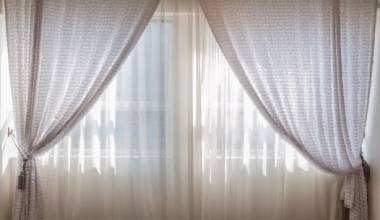
Sustainable design prioritizes natural light, which reduces artificial lighting energy and improves occupant mood. Sheer curtains diffuse sunlight, minimizing glare while maintaining a visual connection to the outdoors. This supports circadian rhythms and productivity—key principles of the WELL Building Standard.
Choose sheers made from hemp or linen, which have lower environmental impacts than conventional polyester sheers. Linen sheers, for example, are breathable and naturally antibacterial, reducing the need for frequent washing. For a lightweight yet durable option, consider Tencel blends. Sheer curtains also offer privacy without sacrificing daylight, making them ideal for open-plan offices, atriums, and residential spaces.
Acoustic Curtains: Sound Insulation for Health and Productivity
Noise pollution is a growing concern in urban environments and modern workplaces. Acoustic curtains absorb sound, reducing reverberation and improving speech privacy. Sustainable acoustic curtains are now manufactured using recycled polyester fibers, which are effective sound absorbers and prevent plastic from entering landfills.
To maximize acoustic performance, select curtains with a high surface density and multi-layer construction, such as a velvet face over a thick acoustic felt base. The Noise Reduction Coefficient (NRC) should be specified—typically above 0.5 for good absorption. In sustainable projects, acoustic curtains can replace heavier rigid panels that have higher embodied carbon. They are particularly useful in open offices, conference rooms, classrooms, and healthcare waiting areas.
Velvet Curtains: Luxury with a Sustainable Twist
Velvet adds opulence and warmth, but conventional velvet is often made from virgin polyester or nylon. Sustainable velvet is now woven from recycled polyester, organic cotton, or Tencel, offering the same plush texture without the environmental cost. A 100% recycled polyester velvet can be fully recyclable at the end of its life, closing the loop.
When selecting sustainable velvet, check the pile integrity and backing. Look for velvet made from GRS (Global Recycled Standard) certified yarns. Natural velvet from mulberry silk is a luxurious but less eco-friendly option due to high water use and processing; choose it only if from a certified organic or Ahimsa (peace silk) source. Sustainable velvet curtains excel in blackout and acoustic applications due to their dense, heavy weave, making them perfect for high-end hotels, theaters, and executive spaces.
Certifications and Standards to Look For
To ensure truly sustainable curtains, verify the following certifications:
- GOTS (Global Organic Textile Standard) – ensures organic fiber content, ethical labor, and restricted chemical use.
- OEKO-TEX Standard 100 – tests for harmful substances in each component.
- GRS (Global Recycled Standard) – validates recycled content and responsible production.
- Cradle to Cradle – assesses material health, circularity, and social fairness.
- GREENGUARD – certifies low chemical emissions for indoor air quality.
Always request technical datasheets and sustainability reports from suppliers. In green building projects, these certifications contribute to credit points under LEED and BREEAM.
Buying Guide: How to Choose Sustainable Curtains
Selecting the right curtains for a sustainable project involves more than just aesthetics. Follow these practical steps:
1. Define Performance Requirements
Determine the primary functions: light control (blackout, sheer, or semi-sheer), thermal insulation, acoustic absorption, or all three. This narrows down material and construction options.
2. Assess the Window Orientation
South and west-facing windows benefit more from blackout or thermal curtains, while north-facing windows can use sheers to maximize daylight. Sustainable projects often combine both layers for flexibility.
3. Evaluate Lifecycle Impact
Consider fiber extraction, manufacturing, transportation, durability, and end-of-life disposal. Heavy, durable curtains may have higher initial impact but last longer, reducing replacement frequency.
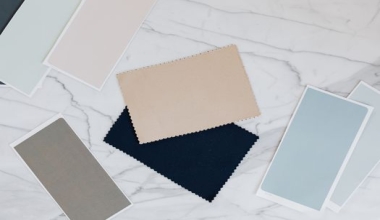
4. Request Samples and Test Reports
Always order physical samples. Test their light filtering, acoustic properties if needed, and feel. Ask for NRC, U-factor, and SF (shading coefficient) ratings to make data-driven decisions.
5. Choose Sustainable Hardware
Don't forget the rods, rings, and motorization systems. Use recycled aluminum or sustainably harvested wood for tracks, and consider smart motorization that reduces energy through automation.
Industry Application Cases
Sustainable curtains are being successfully implemented across various sectors:
Office Buildings
A corporate office in Berlin installed triple-weave blackout curtains made from recycled polyester in its south-facing conference rooms. The curtains reduced glare and solar heat gain, cutting HVAC costs by 12% while achieving LEED Gold credits. Sheer linen curtains in the open workspace improved natural light penetration, reducing artificial light usage by 30% during daytime.
Hotels and Hospitality
A boutique hotel in Copenhagen chose GOTS-certified organic cotton velvet blackout curtains for guest rooms. The sustainable velvet provided excellent acoustic insulation, reducing noise from the adjacent restaurant. The hotel marketed the curtains as part of its green commitment, attracting eco-conscious travelers and achieving BREEAM Excellent.
Healthcare Facilities
A hospital in Toronto used acoustic curtains made from 100% recycled PET in patient rooms. These curtains reduced night noise levels by 15 dB, improving sleep quality. Their low-emission, antimicrobial finish complied with hospital hygiene standards while supporting the facility's health and wellness goals.
Educational Institutions
An elementary school in Portland installed hemp sheer curtains in classrooms to diffuse daylight and maintain visibility. The natural material created a calmer learning environment, and the teachers reported improved student focus. The school included the curtains in its sustainability curriculum.
Care and Maintenance for Longevity
Sustainability extends to how you care for curtains. Proper maintenance prolongs their life and prevents premature disposal.
- Vacuum regularly using a soft brush attachment to remove dust, reducing the need for washing.
- Spot clean stains with mild, eco-friendly detergent instead of full washing.
- Follow care labels—many sustainable fabrics are delicate; avoid high-heat drying.
- Repair damaged seams or hems instead of replacing the whole curtain.
- Recycle or upcycle old curtains by donating them or repurposing the fabric for smaller household items.
Consider curtains with removable liners, allowing you to wash only the liner and extend the main fabric's life.
Conclusion: Future Trends in Sustainable Curtain Design
As sustainable architecture evolves, so will curtain technology. Expect to see more bio-based plastics, living materials like mycelium, and smart textiles that adapt to temperature and light. Circular business models, where manufacturers take back used curtains and recycle them into new products, will become mainstream. For now, choosing curtains made from certified sustainable materials, designed for energy efficiency and durability, is a powerful step toward a greener built environment.
By integrating sustainable curtains into your projects, you not only reduce environmental impact but also create healthier, more productive spaces. Whether you need blackout, sheer, velvet, or acoustic curtains, prioritize transparency, certified materials, and long-term performance. Your next project can be a model of sustainability—one curtain at a time.