Introduction to Curtains in Smart Buildings
In modern smart buildings, curtains are no longer just decorative elements. They have evolved into intelligent components that contribute to energy management, occupant comfort, and acoustic control. As automation and IoT technologies advance, curtain fabrics are being integrated with motorized tracks, sensors, and building management systems (BMS). For architects, facility managers, and interior designers, understanding how to choose the right curtain fabrics for smart buildings is essential for optimizing performance and sustainability.
___PROTECTED_1___
Why Curtains Matter for Smart Building Performance
Smart buildings are designed to reduce energy consumption, enhance indoor environmental quality, and provide seamless automation. Windows occupy a significant portion of building envelopes, making them major sources of heat gain, heat loss, glare, and noise. Intelligent curtain systems address these issues while also providing privacy and aesthetic value.
Energy Efficiency and Climate Control
Blackout curtains are critical for blocking solar heat in summer and retaining warmth in winter. The thermal insulation properties of velvet and multi-layer blackout fabrics can reduce HVAC loads by up to 25% in some climates. In smart buildings, curtains can be programmed to open and close based on external temperature, sunlight intensity, and occupancy patterns.
Light Management and Circadian Rhythms
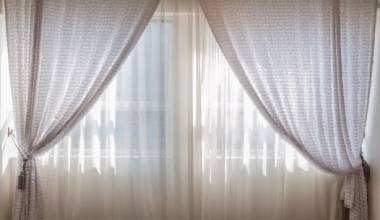
Sheer curtains allow diffused daylight while reducing glare. Smart systems can adjust sheer and blackout layers to maintain optimal natural light levels, supporting occupants' circadian rhythms. Light sensors send data to the BMS, prompting automatic adjustments of the curtain position throughout the day.
Acoustic Comfort
Urban noise pollution is a growing concern. Acoustic curtains made from dense velvet or specialized sound-absorbing fabrics reduce noise transmission and reverberation. In open-plan offices and conference rooms, these fabrics improve speech privacy and concentration.
___PROTECTED_2___
Key Curtain Fabric Types for Smart Buildings
| Fabric Type | Key Features | Smart Building Applications |
|---|---|---|
| Blackout | High opacity, thermal insulation, light blockage (99%) | Bedrooms, media rooms, south-facing facades |
| Sheer | Light transmission, privacy, UV protection | Atriums, lobbies, workspaces |
| Velvet | Luxurious texture, sound absorption, thermal mass | Executive offices, auditoriums, hotel suites |
| Acoustic | High sound absorption coefficient (NRC 0.4–0.8) | Open offices, call centers, lecture halls |
Integrating Curtains with Building Automation Systems
The true value of curtains in smart buildings lies in their integration with automation. Motorized curtains equipped with actuators can be controlled via:
- Sensors: photoelectric sensors for light, temperature sensors for thermal management, and motion sensors for occupancy.
- BMS (Building Management System): centralized control that coordinates curtains with HVAC and lighting systems.
- Voice assistants and mobile apps: convenient user control, programmable scenes, and remote access.
- Schedules and timers: pre-set opening/closing times aligned with sunrise/sunset or building operation hours.
When installing smart curtains, ensure compatibility with the building's communication protocols (e.g., BACnet, KNX, Modbus, DALI). The fabric selection also impacts motor sizing: heavy velvet and multi-layer blackout require more powerful motors and robust track systems.
Practical Tips for Selecting Smart Curtain Fabrics
1. Define Performance Goals
Set clear priorities: energy savings, acoustic comfort, light control, or aesthetics. For each window or zone, choose the appropriate fabric type and layering strategy.
2. Consider the Orientations of Windows
- East/West-facing windows: use high-reflectivity blackout fabrics to mitigate low-angle solar heat.
- North-facing windows: sheer fabrics maximize daylight without glare.
- South-facing windows: combine sheer and blackout layers for flexible shading.
3. Evaluate Acoustic Needs
For noisy areas, choose fabrics with a minimum sound absorption coefficient of 0.5. Velvet's long pile and high density are particularly effective. Check the NRC (Noise Reduction Coefficient) from manufacturer data.
4. Don't Ignore Fabric Features
- Fire retardancy: mandatory in commercial buildings. Look for certifications like NFPA 701 or BS 5867.
- Washability and durability: choose fabrics that withstand frequent automated folding and unfolding.
- Color fastness: UV exposure can fade fabrics; opt for solution-dyed or UV-protected materials.
5. Plan for Maintenance
Smart curtains often operate many times a day, increasing wear. Select fabrics with reinforced hems and anti-static treatment to reduce dust accumulation. Schedule regular cleaning per manufacturer instructions for the fabric.
Curtain Care and Maintenance in Smart Buildings
Proper maintenance extends the life of smart curtains and keeps their performance optimal. Here are essential care tips:
- Daily Operation: Avoid multiple full open/close cycles unless necessary; use partial opening in low-light conditions to minimize wear.
- Dust Removal: Use a soft brush attachment on a vacuum cleaner weekly, especially on velvet and acoustic fabrics.
- Spot Cleaning: Blot stains immediately with a mild detergent and water. Do not rub, as it can damage fibers.
- Professional Washing: For large curtain panels, schedule professional wet cleaning or dry cleaning every 6–12 months. Check the fabric care label for specific temperature and solvent instructions.
- Track and Motor Care: Inspect motorized tracks for dirt and debris quarterly. Lubricate bearings if recommended by the manufacturer, and update firmware for smart controllers.
Industry Applications and Case Studies
Office Buildings
In a corporate headquarters, motorized sheer and blackout curtains were integrated with the lighting system. Occupancy sensors triggered the curtains to open at the start of the working day, reducing artificial lighting costs by 15%. During peak afternoon sun, blackout curtains closed automatically to prevent glare, increasing employee productivity.
Healthcare Facilities
An acute care hospital used blackout velvet curtains in patient rooms to improve sleep quality. The curtains were connected to the nurse call system, so patients could request them to close without getting out of bed. The acoustic properties of the velvet also helped reduce ambient noise from corridors.
Educational Institutions
A university lecture hall installed acoustic curtains with a NRC of 0.7 to enhance speech intelligibility. The curtains are automatically deployed during presentations and retracted when not needed. The system is controlled via a calendar integration in the BMS, saving energy and protecting the fabric.
Hotels
In a smart hotel, guest rooms feature dual-track curtains with blackout and sheer layers. Upon check-in, the BMS sets the curtains to a welcome position. Guests can control them via bedside touch panels or the hotel app. The blackout layer is opaque enough for daytime blackout, while the sheer layer provides privacy without losing daylight.
Conclusion: The Future of Smart Curtains
Curtains for smart buildings are an indispensable part of modern architecture. By selecting the right fabrics and integrating them into intelligent systems, you can significantly improve energy efficiency, comfort, and acoustics. Whether you need blackout, sheer, velvet, or acoustic fabrics, prioritize high-quality materials that align with your automation goals. Regular maintenance ensures long-term performance and a better return on investment. As smart building technology progresses, curtains will continue to adapt, offering even more advanced functions for sustainable living and working.