Introduction: Why Curtains Matter to Architects
When designing a building, architects meticulously consider structure, light, acoustics, and materiality. Yet window treatments are often an afterthought. Curtains, however, are not merely decorative final touches—they are functional building components that shape the experience of a space. For architects, specifying the right curtain fabric requires a deep understanding of performance, aesthetics, and the interplay between light, privacy, and sound. This guide explores how blackout, sheer, velvet, and acoustic curtain fabrics can be leveraged in architectural projects to meet both design and functional goals.
___PROTECTED_1___
The Architectural Role of Curtains
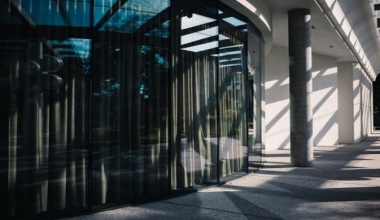
Curtains define the relationship between interior and exterior. They control daylight, provide privacy, absorb sound, and contribute to thermal insulation. In contemporary architecture, where glass facades are prevalent, curtains are critical for managing solar heat gain and glare. They also add texture and color, softening the hard lines of modern materials like concrete and steel. For architects, choosing curtains is an opportunity to enhance the spatial narrative while meeting performance benchmarks.
___PROTECTED_2___
Key Fabric Considerations for Architects
Before selecting a fabric, architects must evaluate several criteria:
- Light Transmission: How much daylight should pass through? Blackout fabrics block 99-100% of light; sheers diffuse and filter; velvet and acoustic fabrics offer varying degrees of opacity.
- Acoustic Performance: In open-plan offices, auditoriums, or residential units, curtains can reduce noise via sound absorption. Fabric weight, density, and pleating affect the Noise Reduction Coefficient (NRC).
- Fire Safety: Commercial buildings require fire-retardant fabrics. Architects must check local codes and specify fabrics that meet fire resistance standards (e.g., NFPA 701, BS 5867).
- Durability and Maintenance: High-traffic public spaces need fabrics that withstand wear and are easy to clean. Velvet may require special care, while polyester sheers are more resilient.
- Sustainability: Increasingly, architects prioritize eco-friendly fabrics made from recycled materials or renewable fibers like organic cotton or linen.
Performance Criteria: Light, Privacy, and Acoustics
Light Control
Architects work with a building's orientation to optimize natural light. Curtains can be zoned to allow flexible control. For example, north-facing windows benefit from sheer fabrics that diffuse even daylight, while south and west-facing windows may require blackout linings to reduce solar heat gain.
Privacy and Security
In urban environments, privacy is paramount. Sheer fabrics offer daytime privacy while maintaining light, but for night-time privacy, blackout or dense velvet curtains are needed. Architects can install dual-track systems with both sheer and blackout layers to give occupants full control.
Acoustic Comfort
Unwanted noise affects well-being and productivity. Acoustic curtains are designed with dense, multi-layer weaves or a heavy back coating to absorb sound waves and reduce echo. For spaces like home theaters, conference rooms, or apartments near busy roads, these curtains are an effective solution.
Blackout Curtains for Architectural Spaces
Blackout curtains are engineered to block light completely. They typically feature a thick, opaque coating or a tightly woven fabric with a blackout lining. In architectural applications, blackout curtains are essential for:
- Bedrooms and hospitality suites where sleep quality is critical.
- Presentation rooms, projection screens, and retail displays where ambient light interferes with visuals.
- North-facing offices needing glare reduction.
Specification Tip: Look for blackout fabrics with a matte or suede finish to reduce glare reflection. For thermal performance, choose fabrics with a thermal interlayer that helps insulate against heat loss and gain.
Sheer Curtains: Diffusing Light and Defining Space
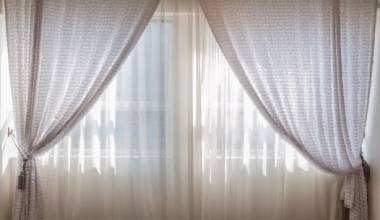
Sheer fabrics are lightweight and often made from polyester, linen, or voile. They transmit diffused light, creating a soft glow while maintaining visual privacy during daylight. Architects use sheers to:
- Filter harsh sunlight and prevent UVA rays without sacrificing natural light.
- Create a sense of airiness and flow in large, open areas.
- Provide a backdrop for layering with heavier curtains.
For architectural projects, consider high-tech sheer fabrics that offer UV protection and flame retardancy while still feeling elegant. Some sheers are also acoustically transparent, making them unsuitable for sound blocking but ideal for spaces where light and openness are priorities.
Velvet Curtains: Texture, Prestige, and Insulation
Velvet is a luxurious, plush fabric that adds depth and sophistication. Made from cotton, silk, or synthetic fibers, velvet curtains offer superior thermal insulation and some acoustic absorption due to their dense pile. Architects choose velvet for:
- Hotel lobbies, theaters, and executive offices where a sense of prestige is required.
- Residential living rooms and bedrooms seeking a cozy, formal ambiance.
- Spaces where color saturation and texture are key design elements.
Modern velvet fabrics are available in fire-retardant polyester blends, making them suitable for public buildings. However, velvet is prone to crushing and fading, so ensure pullling is gentle and the fabric is treated for UV resistance.
Acoustic Curtains: Sound Management for Modern Architecture
Acoustic curtains are specialized fabric panels designed to absorb sound waves. Unlike standard curtains, they are typically made with multiple layers of dense fiber mat, foam, or vinyl and are often pleated to increase surface area. Architects specify acoustic curtains in:
- Open-plan offices where speech privacy and noise control are needed.
- Auditoriums and music studios to reduce echo and reverberation.
- Residential units near highways or train tracks.
When selecting acoustic curtains, consider the Noise Reduction Coefficient (NRC). A fabric with an NRC of 0.7 or higher absorbs 70% of incident sound. Track placement and sealing at the top, bottom, and sides are crucial to maximize performance.
Case Studies: Application in Different Sectors
| Sector | Recommended Fabric | Primary Benefit |
|---|---|---|
| Hospitality | Blackout + Sheer combination | Light control, privacy, and luxury feel |
| Corporate Offices | Acoustic curtains | Noise reduction and speech privacy |
| Healthcare | Blackout with antimicrobial treatment | Restful sleep, infection control |
| Education | Durable polyester sheers and blackout | Flexible light control for AV presentations |
| Residential | Velvet or layered curtains | Thermal comfort and aesthetic appeal |
Practical Tips for Specifying Curtains
To ensure successful integration of curtains into your architectural design, follow these practical tips:
- Coordinate with the ceiling and wall details: Plan for curtain tracks or rods that are recessed into the ceiling for a clean, minimal look.
- Consider operation: Motorized systems are ideal for hard-to-reach windows or large installations. They also allow integration with smart building controls.
- Calculate fabric fullness: For a flat look, fabric width should be 1.5 to 2 times the track width. For pleated honeycomb or Austrian styles, adjust accordingly.
- Specify linings: A blackout lining can be added to any fabric to enhance light-blocking and insulation properties.
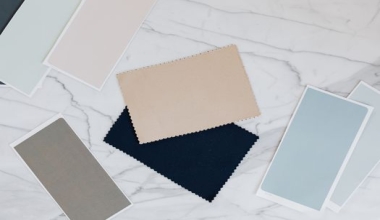
- Ask for samples: Always request physical samples to evaluate light levels, texture, and color under actual site conditions.
- Factor in fire codes: Ensure the selected fabric and lining meet your project's fire safety requirements. Request compliance certificates from the supplier.
- Plan for maintenance: In high-traffic areas, choose washable or less absorbent fabrics to reduce cleaning costs.
Conclusion: The Future of Curtains in Architecture
Curtains are no longer passive decorations; they are intelligent components of a building's environmental envelope. Advances in fabric technology now allow architects to combine aesthetics with high performance—blocking all light, absorbing sound, or filtering daylight to create dynamic atmospheres. By understanding the specific properties of blackout, sheer, velvet, and acoustic fabrics, architects can make informed choices that enhance functionality, sustainability, and user comfort. When specifying curtains, always partner with a knowledgeable fabric supplier who can provide detailed technical data, sampling, and installation guidance.