The Role of Curtains in Hospitality Spaces
In hospitality design, curtains are more than just decorative afterthoughts; they are integral to creating a memorable guest experience. From the moment guests enter a hotel lobby to the comfort they expect in a guestroom, curtains influence ambiance, privacy, and even acoustic comfort. A well-chosen curtain can elevate a space from ordinary to extraordinary, while a poorly specified fabric can undermine the entire design intent.
___PROTECTED_1___
Choosing the Right Fabric: Blackout, Sheer, Velvet, and Acoustic
Hospitality designers must master four key curtain fabric categories: blackout, sheer, velvet, and acoustic. Each serves a distinct purpose and can be used alone or in combination to achieve optimal performance and aesthetics.
Blackout Fabrics
Blackout curtains are essential for hotel guestrooms, where sleep quality directly impacts guest satisfaction. These fabrics are engineered with a dense weave or a special coating (often a blackout lining) to block external light fully. They also provide thermal insulation, reducing HVAC loads and enhancing energy efficiency. When specifying blackout curtains, look for fabrics with a tested light-blocking rating of 99% or higher and consider options with a flame-retardant finish for compliance with fire safety standards.
Sheer Fabrics
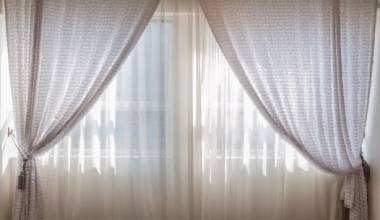
Sheer curtains diffuse natural light, creating a soft, airy ambiance while preserving privacy during daylight hours. They are ideal for hotel lobbies, restaurants, and lounge areas where a welcoming, translucent glow is desired. Sheers also serve as a layering under blackout curtains in guestrooms, allowing guests to let in light without sacrificing privacy. For high-traffic areas, choose durable sheers made from polyester or blends, as natural fibers like linen may require more careful maintenance.
Velvet Fabrics
Velvet is the epitome of luxury in hospitality design. Its plush nap reflects light differently, adding depth and drama to any space. Velvet curtains offer excellent sound absorption due to their dense pile, making them ideal for private dining rooms, bars, and lobby seating areas. They also provide inherent thermal insulation. Modern velvets are often made from performance fibers that resist crushing and fading, ensuring they withstand the demands of daily use in hotels and restaurants.
Acoustic Fabrics
Acoustic curtains are specially engineered to reduce noise pollution, a crucial factor in hospitality environments where diners, guests, and conference attendees demand comfort. These fabrics are rated by their Noise Reduction Coefficient (NRC) and Sound Transmission Class (STC). Acoustic curtains typically consist of multiple layers of dense fabric and absorptive batting, sometimes with a weighted hem to prevent sound leakage. They are perfect for conference rooms, banquet halls, and open-plan restaurants where noise control is paramount. For acoustic performance, consider curtains with an NRC of 0.5 or higher and ensure they are hung with ample floor-to-ceiling coverage.
| Fabric Type | Key Benefits | Best Applications | Care Considerations |
|---|---|---|---|
| Blackout | Blocks light, thermal insulation | Guestrooms, screens | Dry clean or gentle wash, avoid harsh detergents |
| Sheer | Diffuses light, airy feel | Lobby, lounge, layering | Dust regularly, occasional machine wash cold |
| Velvet | Luxurious, sound absorbing | Bars, private dining, feature walls | Professional dry clean, brush to maintain nap |
| Acoustic | Reduces noise, improves speech privacy | Conference rooms, restaurants, atriums | Vacuum regularly, spot clean; avoid steam |
___PROTECTED_2___
Fabric Selection by Hospitality Application
Different hospitality zones demand different curtain performance. Here’s a practical guide to matching fabrics to specific areas:
Hotel Guestrooms
For guestrooms, the golden standard is a double-layer system: a sheer linen or polyester sheer for daytime privacy and light diffusion, paired with a blackout curtain for nighttime darkness. Sheers should be lightweight and easy to draw, while the blackout layer should be full-length and pleated to eliminate gaps. Consider motorized automation for added guest convenience.
Lobby and Common Areas
Lobbies are high-traffic spaces where durability and aesthetic impact matter as much as functionality. Velvet curtains in luxurious jewel tones create a statement, especially when paired with floor-length silk blends. However, for areas exposed to direct sunlight, choose fade-resistant solution-dyed textiles. Acoustic curtains may also be used in lobby spaces to mitigate echoing, especially in double-height atriums.
Restaurants and Bars
In dining venues, curtains set the mood. Sheer curtains with a gentle drape can soften evening lighting, while acoustic curtains help control noise levels so guests can converse easily. For outdoor-covered terraces, use weather-resistant or faux velvet fabrics that withstand humidity and UV exposure. Remember that fire safety codes often require flame-retardant materials in commercial kitchens and exit paths.
Conference and Event Spaces
Conference rooms and banquet halls require maximum flexibility. Acoustic curtains with high NRC ratings are vital for suppressing excessive echo and ensuring speech clarity. Blackout curtains allow for presentations and video screenings. Consider track systems with overlapping panels to create a complete blackout barrier, and for event spaces, choose motorized curtains that can be raised or traversed quickly to adapt to different setups.
Practical Tips for Hospitality Curtain Design
Beyond fabric selection, the hardware, installation, and design details play a crucial role in curtain performance and longevity.
Layering Techniques
Layering is both functional and aesthetic. Combine sheer and blackout curtains on a single track or separate tracks to allow zones of light. Use a valance or cornice to hide the mechanics and create a finished look. For acoustic curtains, layering with a heavier velvet adds both sound absorption and visual warmth.
Automation and Motorization
Motorized curtain systems are increasingly expected in upscale hospitality. They provide convenience, better light control, and reduce strain on fabrics from manual pulling. Optional sensors can automatically close curtains at dusk, improving safety and energy efficiency. When planning automation, consider the weight of the fabric—velvet and acoustic fabrics are heavier and may require more robust motors and tracks.
Durability and Maintenance
Hospitality curtains must withstand constant use. Choose fabrics with high abrasion resistance (tested via Martindale cycles, ideally 20,000+ for commercial use) and easy-care properties. Look for antimicrobial and soil-release finishes, which are particularly valuable in hotel guestrooms and restaurants. Always request samples and test them in-situ for light fastness and laundering.
Fire Retardancy Compliance
Fire safety is non-negotiable. Curtains in commercial buildings must meet strict flammability standards such as NFPA 701 or equivalent local regulations. Opt for inherently flame-retardant fabrics, which offer permanent safety without chemical treatments that may diminish over time. Retain certification documentation for local building inspections.
Care and Maintenance: Essential for High-Traffic Environments
Proper care extends the life of your curtains and ensures they continue to perform. Here are specialized care tips for hospitality fabrics:
- Regular dusting: Use a vacuum with a brush attachment to remove surface dust weekly. This prevents dirt from settling into the fibers and reduces the need for deep cleaning.
- Spot cleaning: Attend to spills immediately. For most fabrics, blot (don’t rub) with a mild detergent solution. Test on a hidden area first.
- Professional dry cleaning: For full cleaning of velvet and acoustic fabrics, hire a professional experienced with complex draperies. Ensure they follow the manufacturer’s instructions.
- Steaming: Use a hand steamer to remove wrinkles and refresh fabrics without harsh chemicals. Avoid direct steam on blackout linings to prevent delamination.
- Fabric protection: Apply a penetrating fabric protector (e.g., scotchguard) after cleaning or for new installations. This helps resist stains while retaining breathability.
Develop a maintenance schedule for each installation, with daily visual checks, monthly dusting, and seasonal deep cleaning. Keep spare panels for fast replacement in case of heavy wear or accidents.
Case Studies: Successful Hospitality Curtain Installations
Real-world examples illustrate best practices:
Case Study 1: Boutique Hotel with Acoustic Curtains
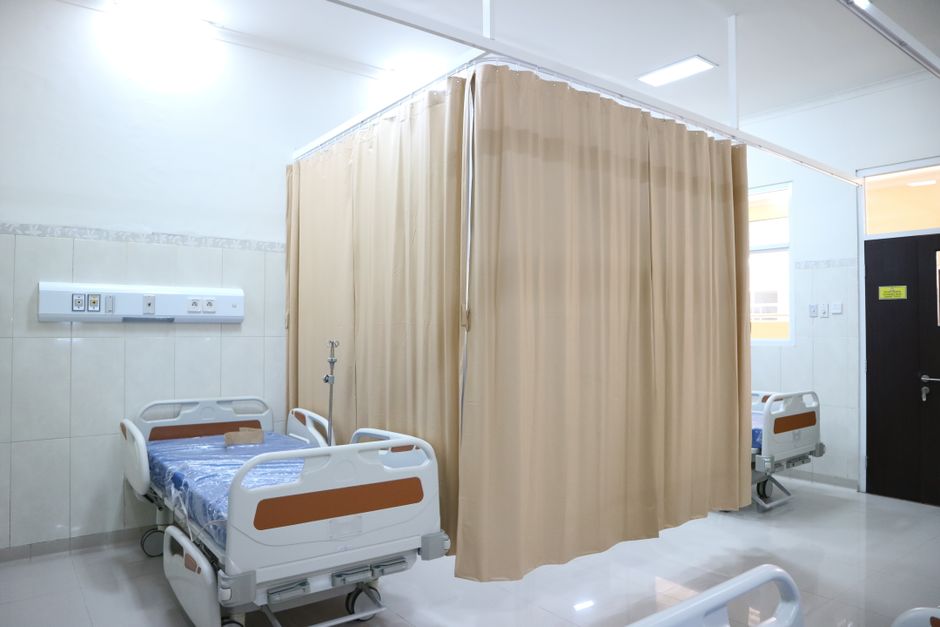
A boutique hotel located next to a bustling city street struggled with noise complaints from guests. The design team installed acoustic curtains with an STC rating of 25 in all guestrooms. The curtains were made of a dense, tightly woven polyester with an acoustic back coating. Padded hospital-style tracks sealed the wall edges. Post-renovation, guest satisfaction scores on peace and quiet jumped by 40%.
Case Study 2: Luxury Restaurant with Velvet Drapes
An upscale restaurant wanted to create an intimate, club-like atmosphere. The interior designer chose deep sapphire velvet curtains with a dramatic 1.5x fullness ratio, lined with a soft blackout lining. The velvet’s sound-absorbing properties reduced clatter and echoed noise. The drapes were motorized to automatically adjust lighting levels at sunset, enhancing the dining ambiance.
Case Study 3: Conference Center Blackout and Acoustic Solutions
A conference center with three separate meeting rooms required flexibility to host presentations and intimate breakout sessions. The center installed double tracks: sheer blackout curtains in neutral gray, followed by acoustic panels in a rich textured weave. The blackout layer achieved 100% darkness for AV presentations, while the acoustic layer reduced reverberation time from 1.2 seconds to 0.6 seconds, meeting acoustic specifications for corporate events.
Buying Guide: Key Considerations for Hospitality Designers
When specifying curtains for hospitality projects, keep these factors in mind:
- Project requirements: Define functional goals: light control, acoustic performance, thermal insulation, or aesthetic impact. Prioritize them.
- Fabric performance: Review abrasion resistance, light fastness (ISO blue wool scale), flame retardancy, and acoustic ratings. Don’t compromise on safety.
- Customization: Work with suppliers who can provide custom sizes, pleating styles (e.g., pinch pleat, wave fold), trims, and grommets to match your design vision.
- Samples and mock-ups: Always request full-scale swatches. Hang them in the actual space with similar lighting conditions to assess color, drape, and texture.
- Budget and lead time: High-performance fabrics cost more upfront but save on energy and replacements. Plan lead times, especially for custom colors or acoustic fabrics.
- Installation and hardware: Ensure the track and supports are rated for the fabric weight. Use continuous channelled tracks for smoother operation and better acoustics (minimizing gaps).
Partnering with a reputable vertical textile supplier is key. They can offer technical expertise, comprehensive documentation, and after-sales support.
Conclusion
Curtains are a cornerstone of hospitality design, combining beauty with critical performance factors like light control, acoustics, privacy, and fire safety. By understanding the unique benefits of blackout, sheer, velvet, and acoustic fabrics, and applying the practical tips and case studies shared in this guide, you can create spaces that are both luxurious and functional. Always prioritize quality, compliance, and maintainability to ensure your designs remain stunning and effective for years to come.