When working in hospitality, healthcare, education, or commercial real estate, choosing the right curtains is more than a matter of aesthetics—it's about functionality, safety, and long-term value. Contractors, interior designers, and facility managers face unique challenges: maximizing natural light, controlling noise, meeting fire codes, and staying within budget without sacrificing quality. This comprehensive guide explores the world of contractor-grade curtains, from fabric selection to installation and maintenance, ensuring your next project achieves perfect balance.
Why Contractors Need Specialized Curtains
Off-the-shelf curtains rarely meet the rigorous demands of commercial spaces. They often lack the necessary fire retardancy, durability, or acoustic properties. Contractors need curtains that perform under high traffic, frequent washing, and strict building codes. Whether you're furnishing a hotel lobby, a conference center, or a healthcare facility, the right curtain fabric contributes to energy efficiency, patient comfort, and occupant well-being. Specialized curtains also protect furniture from sun damage and enhance privacy—key considerations for any professional project.
___PROTECTED_1___
Understanding Contractor-Grade Fabrics
Four primary fabric categories dominate the contractor market: blackout, sheer, velvet, and acoustic. Each serves distinct purposes, and selecting the right one requires a clear understanding of your project's goals.
Blackout Curtains: Light Control and Energy Efficiency
Blackout fabrics are engineered to block up to 99% of external light. They are ideal for bedrooms in hotels, patient rooms in hospitals, and any space where darkness is essential—like auditoriums or media rooms. Beyond light control, blackout curtains provide thermal insulation, reducing heating and cooling costs. For contractors, look for blackout linings that are independently tested and certified for light-blocking capability. Many modern blackout fabrics are also coated with a durable acrylic foam that withstands repeated cleaning without cracking.
Sheer Curtains: Ambience and Privacy
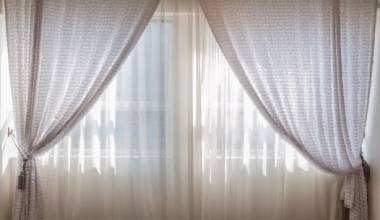
Sheer curtains are often overlooked in commercial settings, but they offer a sophisticated solution for toplight, layering, and privacy during the day. Made from lightweight, translucent fibers like polyester or fiberglass, sheers diffuse harsh sunlight and create a soft, welcoming ambiance. In offices and waiting areas, they reduce glare on screens while maintaining a connection with the outdoors. Choose flame-retardant sheers for public buildings; many are available with washable, stain-resistant finishes to keep maintenance costs low.
Velvet Curtains: Elegance and Sound Damping
Velvet curtains are the ultimate statement in luxury. Their dense pile and heavy drape add warmth, depth, and a touch of opulence to any interior. But velvet is not just about looks—it also excels at sound absorption and thermal insulation. Plush velvet fabrics, especially those with a cotton or polyester blend, can reduce echo and noise transmission between rooms. In hotels, restaurants, and executive offices, velvet curtains create a quiet, refined atmosphere. For high-traffic contracts, choose crushed velvets or performance velvets with stain-resistant treatments.
Acoustic Curtains: Noise Reduction in Commercial Spaces
Acoustic curtains are a specialized solution for studios, call centers, lecture halls, and open-plan offices where noise pollution hampers productivity. These curtains are made from dense, multilayered materials with high Sound Transmission Class (STC) ratings. By absorbing sound waves and reducing reverberation, they significantly improve speech intelligibility and overall acoustic comfort. When installing acoustic curtains, ensure they extend generously beyond the window and pool onto the floor to maximize noise-blocking effectiveness. Pair them with acoustic panels for even greater results.
___PROTECTED_2___
Key Considerations for Contractors
Choosing the right curtain involves more than picking a color. Assess these factors to ensure compliance and performance.
- Fire safety regulations: Verify that all fabrics meet local fire codes, such as NFPA 701 in the US or BS 5867 in the UK. Look for permanent flame retardant fibers (e.g., Trevira CS) that don't lose efficacy after washing.
- Durability and warranty: Commercial fabrics should withstand abrasion, moisture, and frequent operation. Check the manufacturer's warranty for fade resistance and structural integrity.
- Light and privacy control: Determine the required opacity: sheer for diffused light, semi-sheer for moderate privacy, blackout for complete darkness.
- Thermal performance: Curtains can be an energy-efficient barrier. Consider materials with high insulation R-values, especially for large glazing areas.
- Acoustic needs: In noisy environments, choose fabrics with high mass and density, or add a separate acoustic lining.
- Maintenance and cleaning: Commercial curtains are often laundered frequently. Opt for machine-washable or dry-cleanable fabrics that retain their shape and finish.
- Motorization: For large or inaccessible windows, motorized tracks and curtains improve convenience and safety, especially in healthcare or high ceilings.
Fabric Types and Their Applications
| Fabric Type | Key Features | Best Applications |
|---|---|---|
| Blackout | 99% light block, thermal insulation, coating available | Hotels, hospital rooms, media rooms, residential high-rise |
| Sheer | Light diffusion, privacy, lightweight, UV protection | Offices, lobbies, retail windows, dining areas |
| Velvet | Luxury look, sound absorption, insulation, softness | Executive offices, restaurants, theaters, boutique hotels |
| Acoustic | High NRC/STC ratings, dense pile, noise reduction | Studios, conference rooms, call centers, classrooms |
Installation and Maintenance Tips for Contractors
Proper installation ensures your curtains function flawlessly and last longer. Here are expert tips:
- Use heavy-duty tracks and rods that can support the fabric's weight. For commercial spaces, ceiling-mounted tracks are often preferred for a clean, uniform look and easy operation.
- Install curtains 6–12 inches above the window frame and extend them 8–12 inches beyond each side to create an illusion of larger windows and block side light.
- For acoustic curtains, maintain a 2–4 inch gap between the fabric and glass to enhance sound absorption and reduce heat loss.
- Consider adding linings to extend fabric life, reduce fading, and improve insulation. Interlinings can add bounce and body to sheer or lightweight curtains.
- Always follow the manufacturer's cleaning instructions. Many commercial fabrics are protected with stain repellents; avoid harsh detergents or bleach.
- In high-moisture areas like bathrooms or kitchens, choose moisture-resistant and mildew-resistant fabrics. Velvet may require professional cleaning in such environments.
- Schedule a maintenance plan to inspect tracks, pull cords, and fabric seams. Small repairs early avoid costly replacements later.
Cost-Effective Solutions for Bulk Orders
Contractors often work on large-scale projects, so controlling costs without compromising quality is critical. Here's how to maximize your budget:
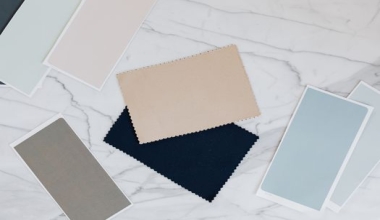
- Order sample swatches before committing to a full run; this prevents costly mistakes.
- Buy in bulk directly from manufacturers or wholesalers to access trade discounts.
- Standardize fabric choices across multiple rooms to simplify purchasing and reduce waste.
- Opt for fabric widths that minimize seams—wider widths mean less labor and fewer joins.
- Consider white or off-white linings for all curtains; they are more economical and allow fabrics to be interchanged.
- Work with a supplier that offers cut-yardage or custom sewing services to meet exact specifications.
- Choose durable, low-maintenance fabrics even if they have a higher upfront cost—they save money over the building's lifespan.
Common Mistakes to Avoid
Learn from others' errors to ensure a smooth finish:
- Selecting fabrics without fire-retardant certifications—this can lead to failed inspections and safety hazards.
- Underestimating sun exposure in rooms with large windows; use UV-protective linings or blackout fabrics to prevent fading.
- Choosing trendy colors that may clash with future renovation—choose neutral bases, add color through trims or sheers.
- Ignoring the drying and shrinking properties of natural fibers like cotton; preshrunk or synthetic blends are often safer for commercial use.
- Installing curtains too close to heating ducts or heat sources; maintain clearance for safety and to prevent fabric degradation.
- Forgetting about wall switches, outlets, or HVAC returns near windows—constant curtains must accommodate these elements.
Application Case Studies
Hotel Chain: Achieving Ambience and Safety
A boutique hotel group needed to upgrade 120 guest rooms with a mix of elegance and practicality. They chose blackout curtains with an interliner for guest rooms to ensure a quiet, dark sleep environment, and sheer curtains for the lobby to soften natural light. All fabrics met stringent fire codes. The result: improved guest satisfaction scores for sleep quality, and lower energy costs thanks to thermal insulation.
Office Building: Acoustic Comfort for Open-Plan Spaces
An architectural firm redesigned their 2,000 sq. ft. open office to reduce noise distractions. They installed acoustic curtains on the glass partition walls and around the meeting pods. The dense fabric absorbed sound, increasing speech privacy and reducing overall noise levels by 8 dB. Employees reported better concentration and less fatigue by day's end.
Hospital: Hygiene and Healing Environment
A new medical center required curtains that resist microbial growth and stand up to rigorous washing. They selected a polyester velvet-look fabric with an antimicrobial finish for patient rooms, and blackout cubicle curtains for exam areas. The fabrics maintained their appearance after 100+ washes, and the rooms felt welcoming and calm—a plus for patient recovery.
Conclusion
Curtains for contractors are not an afterthought—they are a critical component of building performance. By understanding the unique properties of blackout, sheer, velvet, and acoustic fabrics, you can deliver spaces that are comfortable, compliant, and beautiful. Partner with a reputable fabric supplier, test samples in situ, and always prioritize safety and durability. With the right approach, your curtains will serve your clients for years, enhancing both function and aesthetics.