When designing or renovating a commercial interior, curtains are often an afterthought. Yet the right window treatments can significantly affect the comfort, functionality, and aesthetic appeal of any business environment. From boardrooms and hotel lobbies to hospital wards and open-plan offices, commercial curtains are more than just decorative elements—they are strategic tools for light control, privacy, acoustics, and energy efficiency. This comprehensive guide explores everything you need to know about selecting, installing, and maintaining curtains for commercial interiors.
Key Considerations for Commercial Curtains
Commercial interiors differ fundamentally from residential spaces. They experience higher foot traffic, stricter safety regulations, and more demanding performance requirements. Before choosing any fabric, it is essential to evaluate these core factors:
- Durability: Commercial-grade fabrics must withstand constant use, cleaning, and environmental exposure. Look for fabrics with high abrasion resistance and colorfastness.
- Functionality: Consider the primary purpose: blackout for conference rooms, sheer for daylight diffusion in lobbies, acoustic panels for noisy open-plan areas, or velvet for luxury hospitality settings.
- Fire Safety: Commercial spaces must comply with local fire codes. Most reputable fabric suppliers offer FR-treated or inherently flame-retardant materials. Always verify certifications.
- Maintenance: Frequent cleaning requires fabrics that can handle commercial laundering or easy spot-cleaning without losing their properties.
- Aesthetics: Curtains should align with your brand identity and interior design scheme. Color, texture, and drape play a vital role in creating the right atmosphere.
___PROTECTED_1___
Popular Fabric Types for Commercial Spaces
Different commercial settings demand specific fabric technologies. Here are the most versatile and high-performing options available today.
Blackout Curtains
Blackout curtains are essential in environments where light control is critical—think presentation rooms, hotels, healthcare facilities, and broadcast studios. These fabrics are engineered with multiple layers or a specialized coating that blocks up to 99% of external light. They also offer thermal insulation, reducing HVAC loads and stabilizing room temperatures.
For commercial use, choose blackout fabrics with a durable finish that resists cracking or peeling, especially if they will be exposed to sunlight for long periods. Consider top treatments like a valance or a motorized track to eliminate light gaps at the top and sides.
Sheer Curtains
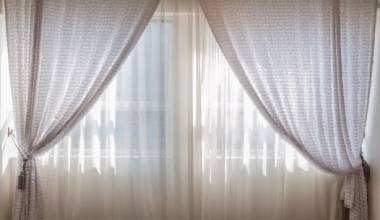
Sheer curtains are not just for residential windows. In commercial interiors, they are used to diffuse harsh sunlight while maintaining a sense of openness. They are ideal for office atriums, retail storefronts, and restaurant windows where natural light is desired but glare and UV damage need mitigation.
Modern sheer fabrics are made from fiberglass or polyester with various openness factors, allowing precise control over light transmission. Some sheers also offer flame retardancy and are perfect for creating a light, airy ambiance without sacrificing safety.
Velvet Curtains
Velvet adds a touch of luxury and warmth, making it a popular choice for hotels, theaters, executive offices, and high-end restaurants. Its dense pile traps air, providing excellent thermal insulation and some acoustic damping. Velvet also drapes beautifully, creating elegant folds that enhance the interior's visual richness.
For commercial use, look for velvet made from synthetic blends (polyester, acrylic) that are stain-resistant and easier to clean than natural silk or cotton. Crushed and panne velvets offer contemporary styling while maintaining performance.
Acoustic Curtains
With the rise of open-plan offices and collaborative spaces, noise control has become a top priority. Acoustic curtains are specially designed to absorb sound waves, reducing echo and reverberation. They are typically made from heavy, dense fabrics or layered materials with a high noise reduction coefficient (NRC).
These curtains are not just functional—they can be stylish too. Available in a range of colors and textures, acoustic curtains can be used as room dividers, wall panels, or window draperies. They are invaluable in call centers, conference rooms, music studios, and educational institutions.
___PROTECTED_2___
Industry-Specific Applications
Each commercial sector has unique needs. Let's explore how curtains address them in practice.
Offices and Corporate Spaces
In modern offices, curtains are used to minimize glare on computer screens, break up large window expanses, and create flexible meeting areas. Blackout curtains are essential in boardrooms and video-conference rooms to control lighting for presentations and video quality. Additionally, acoustic curtains can improve focus and privacy in open-plan environments by absorbing background noise.
Hospitality and Hotels
Hotels require curtains that combine luxury, durability, and ease of maintenance. Guest rooms typically use a double layer: a sheer behind a blackout or blackout-lined curtain. This allows guests to control light while enjoying the view. In public areas like restaurants and lounges, velvet or textured acoustic fabrics add warmth and sophistication. Fire safety is non-negotiable in hospitality, so always choose FR-certified materials.
Healthcare Facilities
Hospitals, clinics, and care homes demand curtains that meet strict hygiene standards. Privacy curtains around beds are often made from antimicrobial, fluid-resistant fabrics. Window curtains in patient rooms are typically blackout to aid sleep and use PVC-free materials for easier sanitization. Additionally, acoustic curtains help create quiet healing environments, which can improve patient outcomes.
Education and Institutions
Schools, universities, and public buildings need rugged, cost-effective curtains that can withstand heavy use. Blackout curtains are vital in auditoriums, science labs, and media rooms. Acoustic curtains are increasingly used in classrooms and libraries to manage noise levels. Colors and patterns can also stimulate learning or maintain a calm atmosphere, so custom printing is a popular option.
Retail and Restaurants
In retail, sheer curtains create an inviting storefront while reducing glare on merchandise. For restaurants, the right curtains can set the mood—velvet or blackout for intimate fine dining, and light, washable sheers for casual café environments. Acoustic curtains are also beneficial in bustling eateries to soften noise and improve customer comfort.
Compliance and Safety Standards
Commercial curtains must meet rigorous safety codes. The most critical is fire retardancy. Depending on your location, you may need to comply with NFPA 701 (North America), BS 5867 (UK), or EN 13773 (Europe). Always request test certificates from your fabric supplier.
Additionally, consider the following:
- Flame-retardant finishes: Some fabrics are treated with chemicals; others are inherently flame-resistant. Inherently FR fabrics retain their properties after repeated cleanings.
- Smoke and toxicity regulations: Some jurisdictions restrict the amount of smoke or toxic gas emitted when materials burn. Ensure your chosen fabric meets these local limits.
- Child and occupant safety: For public areas, use cordless or motorized operation to prevent strangulation risks and comply with safety standards like the Window Covering Manufacturers Association (WCMA) guidelines.
Installation and Maintenance Tips for Commercial Curtains
Proper installation and upkeep protect your investment and ensure optimal performance over time.
Installation Considerations
- Measure carefully: Take dimensions of windows and mounting areas, allowing for stackback (the space taken up by drawn curtains). For blackout, consider a full ceiling-to-floor installation with side channels to block light completely.
- Choose the right hardware: Commercial tracks should be sturdy enough to support the fabric's weight. Use heavy-duty decorative rods for visual impact, or motorized tracks for ease of operation in hard-to-reach areas.
- Motorization: In commercial settings, motorized curtains offer convenience and safety. They can be integrated with building automation systems for scheduled operation and energy savings.
Maintenance Best Practices
- Vacuum regularly: Use a soft brush attachment to remove dust without damaging fabric fibers.
- Spot clean promptly: Blot spills with a clean, damp cloth; avoid rubbing, which can set stains.
- Professional cleaning: Most commercial curtains require periodic deep cleaning. Check the care label—some fabrics can be laundered; others need dry cleaning. Always use a professional service familiar with commercial draperies.
- Inspect for damage: Check for tears, fading, or loose hardware. Address minor issues early to prevent costly replacements.
Cost Considerations and ROI
Commercial curtains are a significant investment, but they deliver measurable returns. The initial cost depends on fabric type, yardage, labor, hardware, and installation complexity. Here's a rough comparison of cost ranges:
| Fabric Type | Avg. Cost (per linear ft) | Key Benefits |
|---|---|---|
| Sheer | $20–$40 | Light diffusion, low cost, airy feel |
| Blackout | $30–$70 | Light control, thermal insulation, energy savings |
| Velvet | $40–$90 | Luxury aesthetic, thermal and acoustic insulation |
| Acoustic | $60–$120 | Excellent sound absorption, improves productivity |
While sheer and blackout are the most budget-friendly, acoustic curtains offer the highest value in environments where noise is a productivity killer. Energy savings from blackout curtains can reduce HVAC costs by up to 25% in extreme climates, providing a fast payback. Additionally, high-quality curtains enhance employee satisfaction and customer perception, which can translate into higher revenue.
Conclusion
Choosing the right curtains for commercial interiors is a multifaceted decision that impacts light, acoustics, safety, and brand image. By understanding your specific needs and the properties of different fabrics, you can select treatments that not only look professional but also deliver long-term performance. Whether you opt for blackout, sheer, velvet, or acoustic curtains, always prioritize quality, compliance, and maintenance simplicity. Work with a trusted supplier who can guide you through fabric selection and provide samples for testing. With the right approach, your commercial curtains will serve as a silent, effective partner in your business's success.