Introduction: Why Green Hotels Need Sustainable Curtains
In the world of eco-conscious hospitality, every detail counts. From energy-efficient lighting to water-saving fixtures, hotels are constantly looking for ways to reduce their environmental footprint. Curtains, often overlooked, play a vital role in a hotel's sustainability strategy. They affect insulation, light control, acoustic comfort, and the overall aesthetic of a room. For green hotels, choosing the right curtains involves more than just picking a pretty fabric. It means selecting materials that are renewable, recyclable, or recycled, while also ensuring durability and performance.
This guide explores the world of curtains for green hotels, covering everything from eco-friendly fabric options to care tips and industry applications. Whether you're a hotel manager, interior designer, or sustainability consultant, this comprehensive resource will help you make informed decisions that align with your green goals.
___PROTECTED_1___
What Makes Curtains Green?
A curtain can be considered 'green' if it meets certain sustainability criteria across its lifecycle. This includes the sourcing of raw materials, the manufacturing process, the energy efficiency of the final product, and its end-of-life disposal. Let's break down the key factors:
- Renewable Materials: Fabrics made from fast-growing plants like bamboo, hemp, or organic cotton are renewable resources that reduce reliance on petroleum-based synthetics.
- Recycled Content: Polyester made from recycled PET bottles, or fabrics woven from reclaimed fibers, give waste a second life and reduce landfill.
- Eco-Friendly Manufacturing: Look for fabrics dyed with low-impact dyes, processed without toxic chemicals, and produced in factories with water conservation and clean energy practices.
- Certifications: Third-party certifications like OEKO-TEX, GOTS (Global Organic Textile Standard), and Cradle to Cradle provide assurance of environmental and social responsibility.
- Energy Efficiency: Curtains with thermal insulation properties can lower a hotel's heating and cooling consumption, making the building more energy-efficient.
___PROTECTED_2___
Eco-Friendly Curtain Fabrics for Green Hotels
Selecting the right fabric is the cornerstone of sustainable curtain implementation. Here are some of the best eco-friendly options for green hotels:
Organic Cotton
Cotton is a natural, breathable fiber, but conventional cotton farming uses massive amounts of water and pesticides. Organic cotton is grown without synthetic chemicals, making it a healthier choice for both the environment and guests. Organic cotton curtains offer a soft, luxurious feel and are available in a wide range of colors and textures, ideal for hotel rooms.
Linen
Flax, the plant used to make linen, thrives in poor soil with minimal water and no fertilizers. It is fully biodegradable and recyclable. Linen curtains have a relaxed, elegant look and become softer with each wash. They are highly durable and naturally resistant to dust mites and moths, making them perfect for allergy-sensitive guests.
Recycled Polyester
Plastic bottles and industrial waste can be transformed into high-quality polyester yarn. Recycled polyester curtains offer excellent durability, wrinkle resistance, and fade resistance while keeping plastic out of oceans and landfills. They are great for blackout and often blend with natural fibers for a soft hand.
Bamboo
Bamboo is one of the fastest-growing plants on the planet, requiring no pesticides and little water. Bamboo fabric is incredibly soft, naturally antibacterial, and breathable. Bamboo curtains provide a unique, sustainable alternative, but be sure to check the processing method: bamboo viscose (rayon) is common, but mechanically processed bamboo (bamboo linen) is more eco-friendly.
Hemp
Hemp is a highly sustainable crop that grows quickly, improves soil health, and captures carbon dioxide. Hemp fabric is strong, durable, and naturally UV-resistant. Though slightly coarser than cotton, it softens with washing and has a distinct, stylish texture ideal for rustic or nature-inspired hotels.
Blackout Curtains: Energy Efficiency and Comfort
Blackout curtains are a must-have for hotels to ensure guests get uninterrupted sleep. For green hotels, blackout curtains serve a dual purpose: they block out light and significantly reduce heat loss or gain. Thermal-backed blackout fabrics act as insulators, keeping rooms cooler in summer and warmer in winter. This reduces the workload on HVAC systems, leading to substantial energy savings.
When choosing eco-friendly blackout curtains, look for options made with recycled polyester or natural blackout linings. Some companies offer blackout fabric with a triple-weave construction, eliminating the need for a chemical polyurethane coating. This not only makes them more sustainable but also more breathable and healthier for indoor air quality.
Sheer Curtains: Natural Light and Airy Ambience
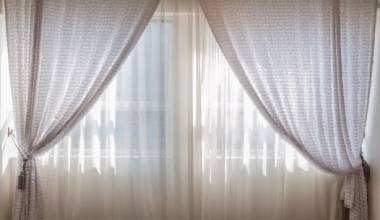
Sheer curtains are essential for creating a bright, welcoming atmosphere while maintaining privacy. In green hotels, sheer curtains can reduce the need for artificial lighting during the day, a simple yet effective energy-saving strategy. Choose sheers made from organic cotton, linen, or hemp to maximize sustainability. These natural fibers drape beautifully and allow soft diffused light to filter in, enhancing the guest experience while reducing energy consumption.
Additionally, sheer curtains can be layered with blackout curtains to provide flexibility. This dual-layer approach allows guests to control light and privacy without sacrificing style or sustainability.
Velvet Curtains: Luxury and Insulation
Velvet curtains exude luxury and warmth, making them a popular choice for upscale green hotels. Traditional velvet is often made from silk or synthetic fibers, but eco-friendly alternatives now exist using recycled polyester, organic cotton velvet, or blended natural fibers. Velvet's thick pile acts as an excellent thermal insulator, contributing to energy efficiency. It also provides sound absorption, improving the acoustic comfort of a room.
To ensure sustainability, look for velvet with low-impact dyes and recycled backing materials. Some manufacturers produce velvet from PET bottles, giving it a plush feel while reducing plastic waste. This way, you don't have to compromise on style or comfort to stay green.
Acoustic Curtains: Sound Comfort in Eco-Conscious Spaces
Hotels often face noise challenges from traffic, hallway chatter, or neighboring rooms. Acoustic curtains are designed to absorb sound and reduce echo, enhancing guest tranquility. For green hotels, acoustic curtains can be made from recycled fibers, such as recycled polyester or recycled cotton, with special pleated constructions that trap sound waves.
These curtains not only improve the guest experience but also contribute to a quieter environment, reducing stress and promoting better sleep. When combined with other sustainable materials, acoustic curtains can significantly raise a hotel's sustainability quotient.
Care Tips for Sustainable Curtains
Proper maintenance is key to extending the lifespan of curtains and maximizing their eco-benefits. Here are some practical care tips for green hotels:
- Vacuum Regularly: Use the upholstery attachment to remove dust and dirt weekly. This prevents the need for frequent washing.
- Spot Clean: For small stains, use a mild eco-friendly detergent and a soft cloth instead of washing the entire curtain.
- Follow Care Labels: Always check the manufacturer's instructions. Most sustainable fabrics prefer low-temperature washing or dry cleaning.
- Air Dry Whenever Possible: Line drying saves energy and prevents shrinkage. If using a dryer, choose a low-heat setting.
- Use Eco-Friendly Detergents: Choose biodegradable, phosphate-free detergents to minimize water pollution.
- Repair Rather Than Replace: Train staff to handle minor tears or loose seams promptly to avoid premature replacement.
Buying Guide for Green Hotel Curtains
When purchasing curtains for a green hotel, consider these factors to ensure you get the best sustainable product:
| Factor | What to Look For |
|---|---|
| Certifications | GOTS, OEKO-TEX, Cradle to Cradle, GreenGuard |
| Material | Organic cotton, linen, hemp, recycled polyester, bamboo |
| Durability | High rub test (Martindale or Wyzenbeek), colorfastness |
| Function | Blackout lining, thermal insulation, acoustic properties |
| Manufacturing | Low-impact dyes, water-efficient processes, fair labor |
| End of Life | Biodegradable or recyclable materials, take-back programs |
Also, consider the total cost of ownership. Sustainable curtains may have a higher upfront cost, but their durability and energy-saving properties result in long-term savings on energy bills and replacement costs.
Case Studies and Industry Applications
Several green hotels worldwide have successfully integrated sustainable curtains into their operations:
Eco-Lodge in Costa Rica
A rainforest eco-lodge chose organic cotton blackout curtains for its rooms to reduce heat gain from the tropical sun. The curtains, made from locally-sourced organic cotton, cut cooling costs by 15% and added a natural aesthetic. They also installed bamboo sheer curtains in common areas to diffuse light while minimizing artificial lighting.
Urban Green Hotel in Germany
A city hotel committed to zero-waste practices installed recycled polyester velvet curtains in its restaurant and lobby. These curtains provided acoustic insulation, reducing noise from a busy street, and gave the space a luxurious feel. The hotel partnered with the manufacturer to take back old curtains for recycling, closing the loop.
Boutique Hotel in Scandinavia
A Scandinavian boutique hotel used linen curtains blended with hemp in its guest rooms to regulate temperature throughout the changeable seasons. The natural fibers allowed breathability in summer and retained warmth in winter, contributing to the hotel's energy efficiency and aligning with its Nordic, nature-focused brand.
These examples illustrate that sustainable curtains can be adapted to different climates, property types, and design preferences. By prioritizing eco-friendly materials and functions, green hotels can enhance guest comfort while reducing their environmental impact.
Conclusion
Curtains are more than just window dressings; they are strategic investments in a green hotel's sustainability and guest experience. By choosing eco-friendly fabrics like organic cotton, linen, recycled polyester, bamboo, or hemp, and by considering options like blackout, sheer, velvet, and acoustic curtains, hoteliers can create beautiful, comfortable, and responsible spaces.
The journey to a greener hotel starts with small, mindful decisions. We hope this guide has provided you with the insights needed to select curtains that align with your sustainability goals. Evaluate your current curtains, explore sustainable alternatives, and take the next step toward a greener, more comfortable hotel.