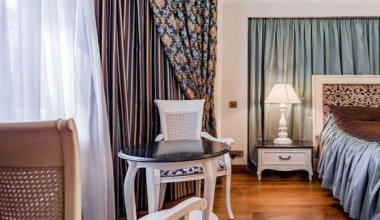
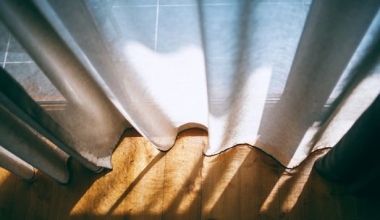
The world of window treatments has evolved far beyond the simple curtain rod and fabric panel. Today's modern curtain styles are engineered for performance, designed for aesthetics, and tailored to meet a variety of practical needs. Whether you are looking to block out light for a better night's sleep, add a touch of opulence to a living room, or improve the acoustics of a home office, there is a curtain style designed for you. This comprehensive guide explores the most popular modern curtain fabrics—blackout, sheer, velvet, and acoustic—along with care tips, buying guide advice, and real-world industry applications.
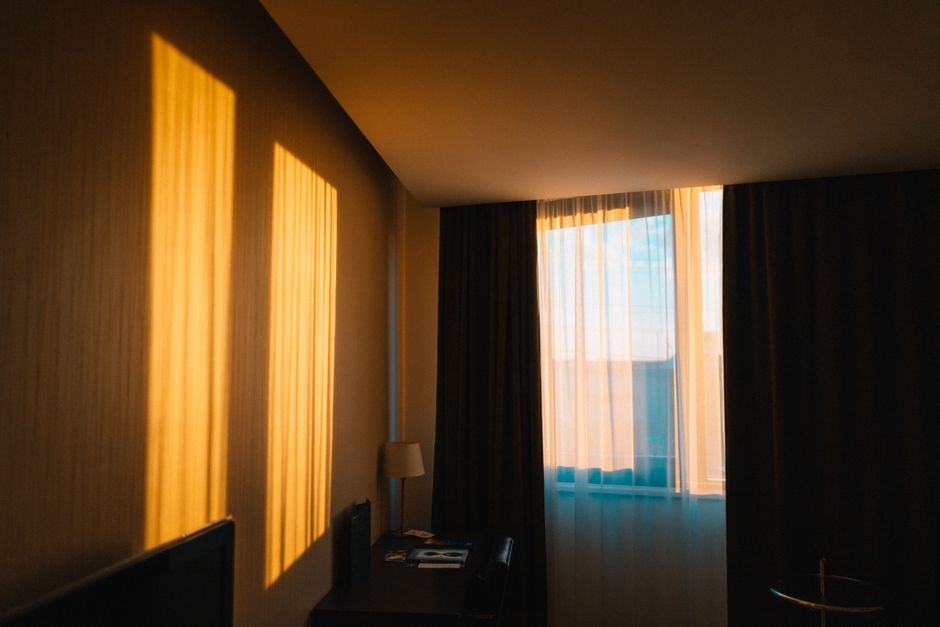
Understanding Modern Curtain Styles
The term "modern curtain" no longer refers to just one look. It encompasses a spectrum of styles, from minimalist and functional to rich and dramatic. The style you choose should align with your interior design goals and the specific demands of the room. Modern curtain styles are often defined by their fabric technology, heading type, and hanging method. Key considerations include light control, privacy, insulation, and aesthetic impact. As sustainability becomes more important, many manufacturers are also offering eco-friendly fabrics and recycled materials, adding another layer to the selection process.
___PROTECTED_1___
Blackout Curtains: Function Meets Style
Blackout curtains are a staple in modern bedrooms and media rooms. They are engineered to block out nearly all external light, using tightly woven fabrics or special foam backings. Beyond light control, blackout curtains offer excellent thermal insulation, helping to keep rooms cooler in summer and warmer in winter. This energy efficiency can lead to lower utility bills, making them a smart investment.
Modern blackout curtains are available in a vast array of colors, patterns, and textures. Gone are the days of shiny, plastic-like materials. Today's blackout fabrics look and feel like regular drapes, while still delivering up to 99% light blockage. For shift workers or those in urban areas, blackout curtains are a game-changer for sleep quality. When choosing blackout curtains, look for a high fabric density and a private lining. You can also choose between grommet, eyelet, or pinch pleat headings depending on the look you prefer.
___PROTECTED_2___
Sheer Curtains: Light and Airy Elegance
On the other end of the spectrum, sheer curtains are designed to let natural light flow through while providing a modicum of privacy. They are perfect for living rooms, dining areas, and any space where you want to create an airy, open feeling. Sheer curtains diffuse sunlight, softening the harshness of direct rays and casting a beautiful, gentle glow across your interior.
Modern sheer curtains come in a variety of weaves, from fine voile to textured linen blends. They can be used alone or layered with heavier drapes for versatility. Layering sheers with blackout or velvet curtains allows you to adjust light and privacy throughout the day. In contemporary design, sheer curtains are also used as room dividers or to soften architectural features like large sliding glass doors. They are a simple yet effective way to add elegance without overwhelming a space.
Velvet Curtains: Luxurious Depth and Warmth
Velvet curtains have made a major comeback in modern interior design. Known for their rich, plush texture and depth of color, velvet adds a sense of luxury and warmth to any room. The fabric is typically made from cotton, silk, or synthetic fibers like polyester, which makes it durable and easier to care for. Velvet curtains naturally provide a degree of light blocking and sound absorption due to their dense pile, making them both beautiful and functional.
In contemporary settings, velvet is often used to create a focal point. A deep emerald green or royal blue velvet curtain can transform a bland bedroom into a stylish sanctuary. Velvet also works well in formal living rooms, where its lustrous appearance under ambient lighting creates a sophisticated atmosphere. However, velvet requires more upkeep than other fabrics, as it can show dust and may flatten over time. Regular gentle vacuuming with an upholstery attachment is recommended.
Acoustic Curtains: Soundproofing with Style
As open-plan offices and noisy urban living become more common, acoustic curtains have gained popularity. These specialized curtains are made from dense, heavy fabrics with sound-absorbing properties. They reduce noise levels by trapping sound waves and preventing them from reflecting off hard surfaces. Acoustic curtains are not true soundproofing—they do not completely block sound—but they can significantly reduce echo and background noise, creating a more peaceful environment.
These curtains are ideal for home theaters, recording studios, open-plan offices, and even bedrooms facing busy streets. They often feature multiple layers of fabric and may have a special quilted or foam backing to enhance sound absorption. In addition to their acoustic benefits, these curtains also provide light control and thermal insulation. Look for acoustic curtains with a high Noise Reduction Coefficient (NRC) rating for best results.
How to Choose the Right Fabric for Your Space
Selecting the perfect curtain fabric involves balancing aesthetics, function, and budget. Here is a practical comparison to help you decide:
| Fabric Type | Light Control | Insulation | Sound Absorption | Best For |
|---|---|---|---|---|
| Blackout | Excellent (blocks 95-99%) | Excellent | Good | Bedrooms, media rooms, nurseries |
| Sheer | Minimal (diffuses light) | Poor | Poor | Living rooms, dining areas, layering |
| Velvet | Good (moderate to high) | Good | Good | Living rooms, formal settings, bedrooms |
| Acoustic | Good to Excellent | Excellent | Excellent | Home theaters, offices, music rooms |
Consider the primary function of the room first. If you need darkness, prioritize blackout. If you want to reduce noise, go acoustic. For a balance of elegance and functionality, velvet is a strong contender. Sheers are best for layering and aesthetic lightness.
Curtain Care Tips for Longevity
Proper care can extend the life of your curtains and keep them looking fresh. Always check the manufacturer's label for specific instructions, but here are general tips for each type:
- Blackout curtains: Most are machine washable in cold water on a gentle cycle. Use a mild detergent and avoid fabric softeners, as they can break down the coating. Tumble dry low and remove promptly to avoid wrinkles.
- Sheer curtains: Sheer fabrics are delicate. Hand wash or use a delicate machine cycle with a laundry bag. Use cold water and a gentle detergent. Hang to dry to prevent shrinking and reduce creases.
- Velvet curtains: Vacuum regularly with an upholstery attachment to remove dust. For stains, spot clean with a damp cloth and mild soap. Avoid machine washing unless the label specifies it is safe. Dry cleaning is often the best option for velvet.
- Acoustic curtains: These heavy curtains are often difficult to wash at home. Professional cleaning is recommended. Vacuum weekly to keep dust from accumulating in the fabric folds.
Before washing any curtains, test a small corner for colorfastness. And always use a gentle cycle to prevent damage to linings and seams.
Industry Applications: Beyond the Living Room
Curtains are not just for residential spaces. Their functional benefits make them essential in various industries:
- Hospitality: Hotels and resorts rely on blackout curtains to ensure guests sleep well. Velvet curtains are used in lobbies and restaurants to create a luxurious atmosphere.
- Healthcare: Hospitals use antimicrobial blackout curtains in patient rooms to promote rest and reduce light interference. Acoustic curtains can also help maintain a quieter healing environment.
- Education: Lecture halls and classrooms use blackout curtains for audio-visual presentations. Acoustic curtains help improve speech intelligibility in large, hard-surfaced rooms.
- Corporate Offices: Sheer and acoustic curtains are used in offices to reduce glare on computer screens and minimize noise distractions in open-plan areas.
- Entertainment: Home theaters, concert halls, and studios use acoustic and blackout curtains in combination to optimize both sound and lighting conditions.
Each industry has unique requirements, and modern curtain manufacturers cater to these with customized solutions, including fire-retardant and washable fabrics.
Buying Guide: What to Look For
When purchasing curtains, measure your windows carefully. Decide whether you want the curtain to hang inside or outside the window frame. For a polished look, consider adding a few extra inches to width for fullness. The rod selection is equally important; choose a rod that complements the fabric weight and your interior decor. Look for durable hardware that can support the weight of heavy fabrics like velvet or acoustic curtains. Pay attention to the curtain heading: grommet, rod pocket, eyelet, and pinch pleat each offer a different aesthetic. For ease of installation, consider ready-made curtains, but for a perfect fit, custom-made options are ideal. Finally, read reviews and compare prices to ensure you get the best value for your investment.
Conclusion
Modern curtain styles have evolved to offer far more than just a decorative finish. From blackout curtains that enhance sleep and save energy to sheer curtains that open up a space, and from velvet that adds depth and luxury to acoustic curtains that bring peace and quiet, there is a style for every need and taste. By understanding the unique properties and care requirements of each fabric, you can make an informed choice that elevates both the comfort and look of your space. Whether you are furnishing a cozy home or a bustling workplace, the right modern curtains can make a world of difference.