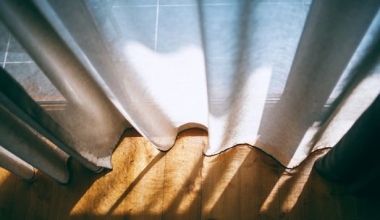
Choosing the right curtain fabric width is one of the most important—and often overlooked—decisions when sewing or ordering custom drapes. The width of your fabric determines how much fullness your curtains will have, how much light they block, how well they insulate, and even how they drape. In this comprehensive guide, we'll explain everything you need to know about curtain fabric widths, from standard measurements to practical tips for different fabric types like blackout, sheer, velvet, and acoustic materials.
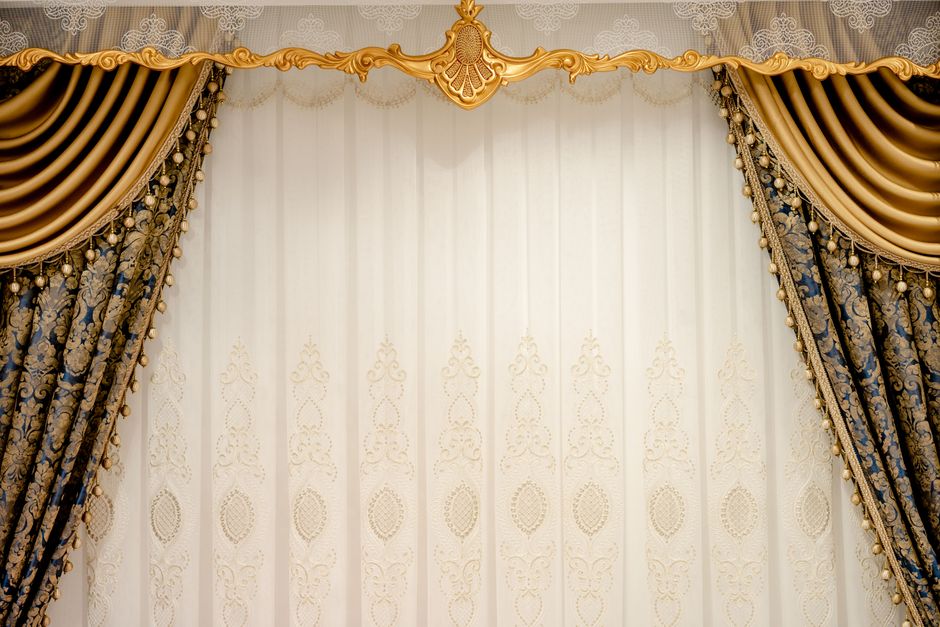
Why Curtain Fabric Width Matters
The width of a fabric is measured from one selvedge edge to the other. It's a fixed dimension set by the manufacturer, and it directly affects how many panels you need to cover a window. If you choose a fabric that's too narrow, you'll need extra seams or panels, which can disrupt the visual flow and reduce energy efficiency. If you choose a fabric that's too wide, you'll have excessive waste and higher costs. Understanding fabric widths helps you plan your project accurately, avoid fabric shortages, and achieve the perfect fullness for your curtains.
___PROTECTED_1___
Standard Curtain Fabric Widths
Most curtain fabrics are produced in a few standard widths. These are the most common you'll encounter:
| Width (inches) | Width (centimeters) | Common Uses |
|---|---|---|
| 54 in (137 cm) | 137 cm | Standard household sheers, lightweight curtains |
| 60 in (152 cm) | 152 cm | Typical for mid-weight fabrics like cotton blends |
| 72 in (183 cm) | 183 cm | Good for wider panels, reduces seams |
| 90 in (229 cm) | 229 cm | Ideal for blackout and thermal fabrics |
| 118 in (300 cm) | 300 cm | Wide width, often used for acoustic and soundproofing fabrics, or floor-to-ceiling drapes without seams |
Note that some specialty fabrics, especially acoustic curtains, may come in even wider widths like 126 inches or more. Always check the manufacturer's specifications.
___PROTECTED_2___
How to Measure Your Window for Fabric Width
Before you buy fabric, you need to measure your window accurately. Here's a step-by-step guide:
- Measure the width of your window frame. Use a metal tape measure for accuracy.
- Add 6–12 inches on each side. This allows the curtains to hang beyond the frame and block more light. The actual width of the area your curtains should cover is called the "track width."
- Decide on your desired fullness. For standard curtains, multiply the track width by 2. For blackout or thermal curtains, multiply by 1.5 to 2. For sheer curtains, multiply by 2.5 to 3 for a full, flowing look. For velvet, 1.8 to 2 works well to showcase the fabric's weight.
- Divide by the fabric width. If the resulting number is greater than the fabric width, you'll need multiple panels. Round up to the nearest whole number.
For example, if your track width is 72 inches and you want a 2x fullness, you need 144 inches of fabric width. If your chosen fabric is 54 inches wide, you'll need 144 / 54 = 2.66, so you'll need 3 widths of fabric.
Understanding Fabric Width vs. Panel Width
Many people confuse fabric width with the finished curtain panel width. The fabric width is the raw edge-to-edge measurement of the cloth. The panel width is how wide the curtain is after hemming, pleating, or gathering. When you gather a curtain with a heading tape or pleats, the finished width is usually half (or less) of the raw fabric width. For example, a 54-inch wide fabric with standard gather will produce a panel of about 27 inches. So, to cover a 48-inch window with 2x fullness, you'd need two panels of 54-inch wide fabric, each gathered to 24 inches.
Choosing the Right Width for Different Curtain Types
Blackout Curtains
Blackout fabrics are typically heavier and coated with a light-blocking layer. They often come in widths of 54–72 inches, but wider options (90+ inches) are available to minimize seams. Since seams can leak light, choose the widest possible fabric for each panel. For a seamless look on a large window, consider a 118-inch wide blackout fabric—ideal for sliding doors or large picture windows.
Sheer Curtains
Sheers are lightweight and often come in 54-inch widths, but you can also find 118-inch wide sheer drapes. Because sheers are meant to be gathered generously, the fabric width matters less for fullness, but wider widths reduce the number of vertical seams, which can be unsightly when light shines through. Choose wider sheers for floor-to-ceiling installations.
Velvet Curtains
Velvet is a luxurious, heavy fabric with a plush pile. It's often woven at 54–60 inches, but some premium velvets come in 72-inch widths. Because velvet is so heavy, you don't want too much fullness (2x is enough), and you definitely want to avoid excessive seams. Wide velvet fabrics are ideal for creating dramatic, seamless floor-to-ceiling drapes.
Acoustic Curtains
Acoustic fabrics are designed to absorb sound and often come in very wide widths—up to 118 inches or more. They're typically used in theaters, offices, and recording studios where large surfaces need to be covered without interruptions. The extra width reduces the number of overlaps, which can otherwise trap sound or create uneven absorption. If you're making acoustic curtains for a commercial space, always opt for the widest width available.
How Fabric Width Affects Cost and Waste
Fabric is sold by the yard/meter, but the width determines how much you get per yard. A 118-inch wide fabric is more expensive per yard than a 54-inch wide fabric, but you may need fewer yards because you can cut one continuous piece. Always calculate the total square footage you need, then compare costs based on width. Also, consider waste: if you have a window that's 75 inches wide and you buy 54-inch fabric, you'll need two full widths, leaving significant scraps. A 90-inch fabric might let you use just one width with minimal waste.
Tips for Working with Wide Width Fabrics
- Seam placement: If you must have seams, place them at the outer edges where they're less noticeable, or use a French seam for a clean finish.
- Fabric grain: Always ensure the fabric is cut square. Wide fabrics can stretch, so use weights and pin generously.
- Hemming: Wide fabrics are heavier, so use a double hem to prevent sagging. For velvet and acoustic fabrics, consider a blind stitch to avoid visible thread lines.
- Patterns: If your fabric has a pattern repeat, you'll need extra length to match the pattern across panels. Wider widths can reduce the number of panels, making pattern matching easier.
- Lining: When attaching lining, match the widths to avoid wavy edges. It's often easiest to use the same width for lining and face fabric.
Frequently Asked Questions
What is the most common curtain fabric width?
The most common widths are 54 inches and 60 inches, suitable for most residential windows.
Can I use two curtains side by side to cover a wide window?
Yes, that's standard. Just make sure each panel's finished width provides enough fullness.
Does fabric width affect light blocking?
Indirectly, yes. Narrower fabrics require more seams, and seams can let in light. Wider fabrics reduce seams and improve blackout performance.
How much width do I need for grommet curtains?
Grommet curtains typically need 1.5x the window width for a modern look. So a 48-inch window needs 72 inches of fabric width (before gathering).
Conclusion
Understanding curtain fabric widths is essential for achieving professional-looking, functional curtains. Whether you're working with blackout for a bedroom, sheer for a living room, velvet for a formal space, or acoustic fabric for a studio, choosing the right width will save you money, reduce waste, and ensure your curtains perform as designed. Always measure carefully, consider fullness, and don't be afraid to seek out wider widths for seamless elegance. With this guide, you're ready to make an informed choice for your next curtain project.