Why Choose Curtains for Sliding Doors?
Sliding doors are a popular feature in modern homes and offices, offering seamless transitions between indoor and outdoor spaces. However, they also present unique challenges in terms of light control, privacy, insulation, and noise reduction. Curtains designed specifically for sliding doors provide versatile solutions to these issues. Unlike standard curtains, those for sliding doors are typically wider and require special consideration for track systems or rods that accommodate the door's movement. They can transform a sliding door into a design focal point while offering functionality such as blackout for bedrooms, sheers for gentle light filtration in living areas, or acoustic curtains for noise reduction in conference rooms. In this comprehensive guide, we'll explore the best fabrics, installation methods, and care tips to help you choose the perfect curtains for your sliding doors.
___PROTECTED_1___
Types of Curtain Fabrics for Sliding Doors
Blackout Curtains
Blackout curtains are ideal for sliding doors in bedrooms, home theaters, or any space where complete light blockage is desired. Made from tightly woven or coated fabrics, they can block up to 99% of external light. For sliding doors, blackout curtains also provide thermal insulation, helping to reduce heat loss in winter and keep rooms cooler in summer. When selecting blackout curtains for sliding doors, look for options with a track system that ensures no light leaks from the sides or top. For optimal performance, choose curtains with a triple-weave construction or a foam-backed lining.
Sheer Curtains
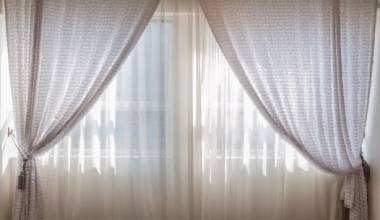
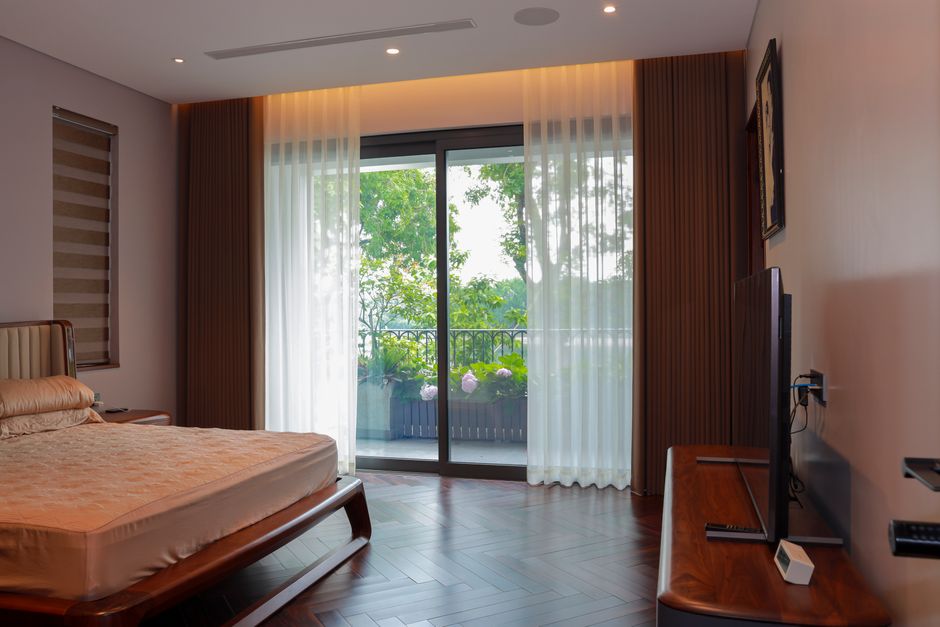
Sheer curtains are a perfect choice for sliding doors in living rooms, dining areas, or offices where you want natural light to filter through while maintaining daytime privacy. Made from lightweight fabrics like voile or lace, sheers soften harsh sunlight and create an airy, elegant ambiance. For sliding doors, consider layering sheers with heavier drapes to offer flexibility. You can install a double rod system or use a track that allows for both sheer and opaque curtains. Sheer curtains for sliding doors come in various styles, including grommet top, rod pocket, or pinch pleat, and are easy to care for with gentle machine washing.
Velvet Curtains
Velvet curtains add a touch of luxury and opulence to any room with sliding doors. The thick, plush fabric not only looks elegant but also provides excellent insulation and sound absorption. Velvet is a great choice for formal living rooms, master bedrooms, or entryways where you want to make a statement. Due to the weight of velvet, ensure your curtain rod or track is sturdy enough to support the fabric. For sliding doors, velvet curtains often come with a lining to protect the fabric from sun damage. Maintenance requires dry cleaning or gentle spot cleaning, but the aesthetic payoff is worth it.
Acoustic Curtains
Acoustic curtains, also known as soundproof curtains, are specifically designed to reduce noise transmission through sliding doors. They are made from dense, multi-layered materials that absorb sound waves. These curtains are ideal for home offices, recording studios, or apartments near busy streets. When installed on sliding doors, acoustic curtains can significantly decrease outside noise, creating a quieter indoor environment. Look for curtains with a high sound transmission class (STC) rating and ensure they are floor-length and wide enough to cover the entire door opening for maximum effectiveness. They also offer great thermal insulation.
___PROTECTED_2___
Measuring and Installation Tips
Proper measurement is crucial for curtains that slide smoothly and cover your sliding door completely. Measure the width of the sliding door frame from outside edge to outside edge, then add at least 12 inches for proper fullness (6 inches on each side). For height, measure from the top of the curtain rod to the floor, and add 4-6 inches if you want the curtains to puddle. For sliding doors, a traverse rod with a cord mechanism is often preferred because it allows you to open and close the curtains without touching the fabric. Alternatively, you can use a ceiling-mounted track system that keeps curtains away from the door's path. Always install the rod or track wide enough so that when curtains are fully open, they clear the door opening completely.
Curtain Rods and Hardware for Sliding Doors
Standard curtain rods may not work well for wide sliding doors. Instead, consider a traversing rod with a center overlap feature to prevent light gaps. For extra-heavy fabrics like velvet or acoustic curtains, use a rod with a diameter of at least 1.5 inches or a heavy-duty track system. C-shaped rods are popular because they curve around the door frame, allowing the curtains to stack back neatly. Magnetic curtain rods are also an option for slim sliding doors. When selecting hardware, ensure it can support the weight of your chosen fabric and includes enough carriers to allow smooth movement.
Care and Maintenance
Curtains for sliding doors can accumulate dust and allergens, so regular maintenance is essential. For most fabrics, vacuuming with a brush attachment once a week will keep them looking fresh. Sheer and lightweight fabrics can be machine washed on a gentle cycle and hung to dry. Blackout and velvet curtains typically require dry cleaning to maintain their lining and structure. Acoustic curtains should be spot cleaned or professionally cleaned to avoid damaging the soundproof layers. Always check the manufacturer's care label. Additionally, rotate your curtains occasionally to ensure even exposure to sunlight to prevent fading. For sliding door curtains, consider using a dust- repelling spray to extend the time between cleanings.
Buying Guide: What to Look For
When purchasing curtains for sliding doors, consider these factors:
- Width and Length: Always measure your door exactly and choose curtains that are wide enough to cover the entire door when closed. Panels should be 1.5 to 3 times the door width for proper gathering.
- Fabric Weight: Heavy fabrics like velvet and acoustic curtains provide better insulation but require stronger hardware. Sheers are lightweight and easy to handle.
- Lining: Blackout curtains need a thick lining, while other fabrics may have a lining for protection and insulation. Some acoustic curtains have a special sound-absorbing interlining.
- Top Style: Grommet or ring-top curtains are easy to slide on rods, while pinch pleat or tab tops offer a more tailored look. For sliding doors, grommet or traversing rod styles are most practical.
- Color and Pattern: Choose colors that complement your interior. Light colors make a room appear larger, while dark shades offer better blackout. Patterns can hide dust and add visual interest.
| Fabric Type | Best For | Light Control | Insulation | Care |
|---|---|---|---|---|
| Blackout | Bedrooms, media rooms | Excellent (99%) | High | Dry clean |
| Sheer | Living rooms, offices | Low (soft diffused) | Low | Machine wash |
| Velvet | Formal spaces, luxury | High | Very high | Dry clean |
| Acoustic | Home offices, studios | High | High | Professional clean |
FAQ
Can I use regular curtains on sliding doors?
Yes, but you may need to adjust the rod placement to avoid interference with the door's operation. For the best result, use curtains specifically designed for sliding doors or opt for a traversing rod system.
How do I prevent light gaps on sliding door curtains?
Use a curtain track that extends beyond the door frame, or install a valance at the top. Some curtains come with a center overlap that seals the gap where two panels meet.
What is the best curtain length for sliding doors?
Floor-length curtains that just touch the floor (or puddle slightly) are ideal. Ensure they are not too long to drag on the floor or get caught in the door track.