Bay windows are a stunning architectural feature that adds character, light, and a sense of space to any room. However, dressing them with curtains can be a challenge due to their angled design. The right curtains not only enhance the aesthetic appeal but also provide necessary functionality like privacy, light control, and insulation. In this comprehensive guide, we’ll explore everything you need to know about choosing, measuring, installing, and styling curtains for bay windows, with a focus on popular fabric types: blackout, sheer, velvet, and acoustic.
Why Bay Windows Require Special Curtains
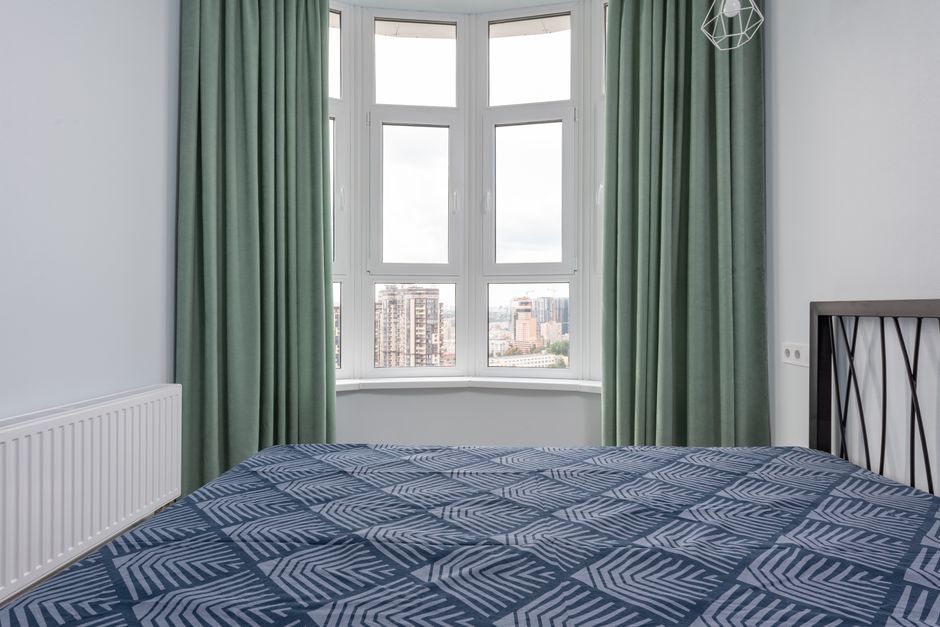
Bay windows typically consist of three or more panels set at angles, creating a recessed area. Standard straight curtain rods won’t work; you need a flexible track system or multiple rods. Additionally, the unique shape can cause drafts and heat loss, making insulation a priority. Curtains for bay windows must accommodate the geometry while addressing light control, privacy, and energy efficiency. Each fabric type offers different benefits, and your choice depends on the room’s purpose and your style preferences.
___PROTECTED_1___
Types of Curtain Fabrics for Bay Windows
Blackout Curtains
Blackout curtains are essential for bedrooms, media rooms, or any space where complete darkness is desired. They are made from tightly woven, opaque fabrics often with a thermal lining. For bay windows, blackout curtains can significantly reduce energy loss by blocking drafts. They also provide excellent privacy. When choosing blackout curtains, look for triple-weave construction or a separate blackout lining. For bay windows, consider a track system that allows the curtains to follow the angles seamlessly.
Sheer Curtains
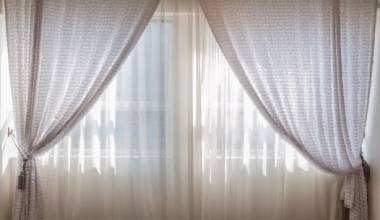
Sheer curtains are lightweight, translucent fabrics that soften natural light while maintaining a sense of openness. They are perfect for living rooms or dining areas where you want privacy without sacrificing daylight. For bay windows, sheers can be used alone or layered with heavier drapes. They are easy to install on a curved track and create an airy, elegant look. Sheer fabrics like voile or lace offer varying degrees of transparency and are low-maintenance.
Velvet Curtains
Velvet curtains exude luxury and warmth. Their heavy, plush texture provides excellent insulation and sound absorption, making them ideal for cozy spaces. In a bay window, velvet drapes can make a dramatic statement. Choose a track system that can handle the weight. Velvet is available in rich colors and can be lined for added blackout properties. Keep in mind that velvet requires regular care to prevent crushing and dust accumulation.
Acoustic Curtains
Acoustic curtains are designed to reduce noise transmission, making them perfect for home offices, music rooms, or apartments near busy streets. They are typically made from thick, dense materials like felt or multiple layers. For bay windows, acoustic curtains can help create a quieter environment by dampening sound. They often have a special coating or interlining. Installation may require a sturdy track system due to their weight.
___PROTECTED_2___
Measuring Your Bay Window for Curtains
Accurate measurement is crucial for a perfect fit. Follow these steps:
- Measure each section of the bay window individually – the center window and each side window.
- For width: For each section, measure the width of the window frame (or desired curtain coverage) and add 10-15 cm (4-6 inches) on each side for overlap and fullness.
- For height: Measure from the top of the curtain track/rod to where you want the curtains to end (e.g., floor, sill).
- Note the angles: If using a track system, the track will bend at the angles; measure the total length along the track route.
| Measure | How to Measure | Example (cm) |
|---|---|---|
| Center window width | Width of frame + 20 cm for fullness | 150 cm |
| Left side width | Width of frame + 20 cm | 90 cm |
| Right side width | Width of frame + 20 cm | 90 cm |
| Total track length | Sum of all sections (including angle turns) | 330 cm |
| Drop (height) | From track to floor minus 1-2 cm clearance | 240 cm |
For a custom look, consider using a bay window curtain track that bends to follow the shape exactly. Alternatively, install individual rods for each section, though this may leave gaps at the corners.
Installation Options: Track Systems vs. Individual Rods
Two main approaches work for bay windows:
- Curved track systems: These are flexible tracks that can be bent to match the bay window’s angles. They can be ceiling-mounted or wall-mounted. Tracks allow curtains to glide smoothly around corners. Ideal for heavy fabrics like velvet or acoustic curtains.
- Individual curtain rods: A rod is installed for each window section. This method is simpler and less expensive but can look disjointed. Gaps at the corners may let in light or drafts. Works best with lightweight fabrics like sheers.
For a cohesive look, many interior designers recommend using a single continuous track system. It provides a clean, uninterrupted line and allows curtains to be drawn fully open or closed.
Styling Tips for Bay Window Curtains
Here are some ideas to make your bay window curtains stand out:
- Layering: Combine sheer curtains (for daytime) with blackout or velvet drapes (for nighttime). Use a double track system.
- Color and pattern: Choose curtains that complement the room’s palette. For a bold look, use patterned curtains; for a timeless feel, stick with solid neutrals.
- Length: Floor-length curtains add elegance and make the ceiling appear higher. Avoid short curtains unless you have a window seat.
- Header style: Pleated headers (e.g., pinch pleat, pencil pleat) look sophisticated and hold their shape. Eyelet curtains are modern and easy to install.
- Tiebacks: Use tiebacks to let in light when needed. Magnetic tiebacks are convenient and stylish.
Care and Maintenance
Proper care extends the life of your curtains:
- Blackout curtains: Most can be machine washed on gentle cycle using cold water. Avoid bleach. Hang to dry to maintain the lining.
- Sheer curtains: Hand wash or use a delicate cycle. They dry quickly and rarely need ironing. Steaming can remove wrinkles.
- Velvet curtains: Dry clean only to preserve the pile. Vacuum regularly with a brush attachment to remove dust.
- Acoustic curtains: Spot clean or dry clean as per label. Avoid excessive moisture as it may affect soundproofing properties.
- For all types: Rotate cleaning to prevent uneven fading. Check manufacturer’s instructions.
Buying Guide: What to Look For
When purchasing curtains for your bay window, consider these factors:
- Fabric weight: Heavy fabrics (velvet, acoustic) need strong tracks and brackets. Light fabrics (sheer) are easier to install.
- Lining: A thermal or blackout lining improves insulation and light blockage. Some linings also add UV protection.
- Width and fullness: For a gathered look, the curtain width should be 1.5 to 3 times the window width. More fullness equals better draping.
- Track compatibility: Ensure the curtain header type (pleat, eyelet, etc.) fits your chosen track system.
- Fire safety: Check if curtains meet fire safety standards (especially for commercial or public spaces).
- Return policy: Since bay windows are custom, confirm the seller can accommodate returns or exchanges for mis-measurements.
Conclusion
Choosing the right curtains for your bay window transforms the space into a highlight of your home. Whether you need blackout for a serene bedroom, sheer for a sunlit living area, velvet for a cozy den, or acoustic for a quiet workspace, understanding your options ensures a perfect match. Take accurate measurements, select a suitable installation system, and don’t shy away from layering or bold styles. With the right approach, your bay window curtains will provide both beauty and function for years to come.