Introduction to Noise-Reducing Curtains
Noise pollution is a growing concern in both residential and commercial spaces. From traffic rumble to noisy neighbors, unwanted sound can disrupt sleep, reduce productivity, and increase stress. While acoustic panels and structural insulation are effective, curtains offer a versatile and stylish alternative. Specially designed noise-reducing curtains—often made from dense, multilayered fabrics like velvet, blackout materials, or acoustic fleece—can absorb, dampen, and block sound waves, creating a quieter environment. This comprehensive guide covers everything you need to know about curtains for noise reduction, including fabric choices, installation tips, and real-world applications.
___PROTECTED_1___
How Sound Absorption Works with Curtains
Sound travels in waves, and when it encounters a barrier, three things happen: transmission (passing through), reflection (bouncing back), and absorption (conversion to heat). Noise-reducing curtains excel at absorption and reflection. The key factors are:
- Mass: Heavier fabrics block more sound. Velvet (300-500 gsm) and multiple layers of blackout fabric (often 3-pass coated) provide significant mass.
- Porosity: Acoustic curtains use fibrous materials that trap sound within their structure.
- Air gap: Leaving a space between the curtain and window improves low-frequency sound absorption. A simple rule: more volume of fabric + air gap = better noise reduction.
- Layering: Two curtains (e.g., blackout behind and sheer in front) can enhance performance.
Noise Reduction Coefficient (NRC) and Sound Transmission Class (STC) are standard metrics. Typical residential curtains have an NRC of 0.3-0.5; acoustic-rated curtains can reach 0.7+.
___PROTECTED_2___
Best Fabrics for Noise Reduction
Velvet Curtains
Velvet is a heavyweight, densely woven fabric with a soft pile. Its high mass (often 400-600 gsm) and plush surface absorb mid- and high-frequency sounds effectively. Velvet curtains can reduce noise by 20-30% compared to standard drapes. They also provide excellent light blocking when lined. Care: dry clean only; avoid crushing the pile.
Blackout Curtains
Blackout fabrics typically have a triple-weave construction or a foam coating that adds mass and creates an airtight barrier. These curtains block both light and sound. Look for “acoustic blackout” labels (e.g., with a felted middle layer). They are ideal for bedrooms and home theaters. Care: machine washable (check label) but avoid bleach.
Acoustic Curtains (Fleece or Felt Backed)
These are specifically engineered for noise control. They often contain a layer of dense fleece, foam, or recycled cotton. Acoustic curtains can achieve NRC ratings up to 0.95. They are common in studios, offices, and restaurants. Care: spot clean or vacuum; some are washable.
Sheer Curtains
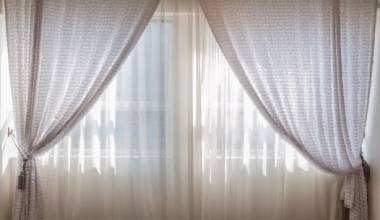
Sheers alone offer minimal noise reduction (mass too low), but as a second layer, they scatter sound and reduce echo. Combine with heavy drapes for a layered effect.
| Fabric Type | Mass (gsm) | NRC Rating | Best For | Care |
|---|---|---|---|---|
| Velvet | 400-600 | 0.5-0.65 | Living rooms, bedrooms | Dry clean |
| Blackout (3-pass) | 300-500 | 0.4-0.6 | Bedrooms, home theaters | Machine wash |
| Acoustic fleece | 500-800 | 0.7-0.95 | Studios, offices | Vacuum/spot clean |
| Felt-backed | 400-700 | 0.6-0.8 | Classrooms, open offices | Spot clean |
Installation Tips for Maximum Effectiveness
Even the best fabrics underperform if installed poorly. Follow these guidelines:
- Ceiling-mount the track: Mount the curtain rod as close to the ceiling as possible to trap sound above the window.
- Extend beyond the window: The curtain should be 2-3 times wider than the window width and extended at least 6-8 inches on each side to cover flanks.
- Floor-length with puddles: Let curtains touch the floor or have a slight puddle (3-5 inches) to prevent sound leaking beneath.
- Use a double rod: Hang a blackout (or acoustic) curtain on the back rod and a decorative velvet on the front for both aesthetics and sound control.
- Seal edges: Add magnetic tapes or velcro along the sides and bottom to create an airtight seal. This stops sound leaking around the fabric.
- Add a valance or cornice: Covering the top opening further reduces sound leakage.
Acoustic Performance Comparisons
In informal tests, a single layer of 500 gsm velvet reduced SPL by 6-8 dB on average, while a double layer of acoustic fleece (with air gap) achieved 12-15 dB reduction. For reference, a 10 dB drop halves perceived loudness. Here's a quick comparison:
- Standard cotton curtains: 2-4 dB reduction
- Foam-backed blackout: 5-8 dB reduction
- Velvet (lined with flannel): 8-12 dB reduction
- Acoustic multi-layer panel curtains: 12-18 dB reduction
These are rough estimates; actual performance depends on room dimensions, window size, and frequency of noise.
Industry Application Cases
Home Theater
In a dedicated theater room, velvet curtains on all four walls combined with blackout layers reduced echo and blocked outside traffic noise. Result: clearer dialogue and immersive bass. Cue the popcorn!
Open-Plan Office
A busy tech startup used floor-to-ceiling acoustic curtains (fleece-backed) to divide workspaces, reducing ambient chatter by 50% according to employee surveys. The curtains also added visual privacy.
Restaurant with High Ceilings
A trendy bistro installed heavy velvet drapes around large windows and partitions. This reduced the clatter of dishes and voices, creating a more intimate dining atmosphere.
Bedroom Near a Busy Road
A city apartment owner combined blackout curtains with a second velvet layer and rubber window seals. They reported a drop from 65 dB to 52 dB indoors—enough for restful sleep.
Buying Guide: What to Look For
- GSM (grams per square meter): Aim for at least 300 gsm; 500+ is ideal.
- Lining: Blackout lining adds mass; flocked or felt backing improves absorption.
- Washing ability: Some acoustic curtains can be washed; others require dry cleaning. Check care instructions.
- Fire retardancy: Important for commercial spaces; look for NFPA 701 or similar certification.
- Color and light fastness: Darker colors absorb more light and somewhat more sound but show dust. Balance with room decor.
- Length and width options: Custom sizes may be needed for floor-to-ceiling installations.
Care and Maintenance
- Vacuum regularly with a brush attachment to remove dust that can clog fibers.
- Spot clean stains with mild soap and water; avoid rubbing vigorously.
- Dry clean velvet to preservepile; blackout curtains can often be machine washed on gentle cycle.
- Re-fluff acoustic fleece by shaking or gentle steaming if compressed.
- Inspect seals (velcro, magnets) annually and replace if worn.
Conclusion
Curtains for noise reduction are a practical, cost-effective solution that blends functionality with interior design. By choosing the right fabric (velvet, blackout, or acoustic fleece), installing them properly, and combining with other soundproofing measures (like weather stripping), you can significantly lower noise levels in your home or business. Whether you’re building a home theater, calming an office, or just seeking peaceful sleep, the right curtains make a difference. Start with our buying guide, measure your windows, and invest in quality—your ears will thank you.