Why High Ceilings Require Special Curtains
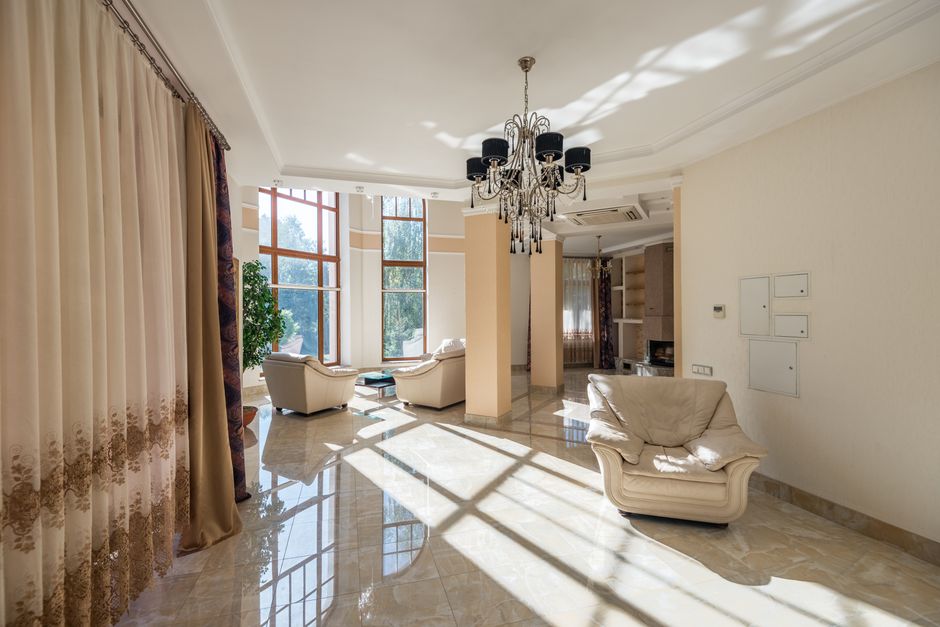
High ceilings create an airy, grand feel in any room, but they also present unique challenges when it comes to window treatments. Standard curtains often look disproportionately small, fail to provide adequate insulation, or are difficult to install and operate. Choosing the right curtains for high ceilings involves considering fabric types, length, hanging hardware, and motorization options. This guide covers everything you need to know—from selecting the perfect material to professional installation tips.
___PROTECTED_1___
Measuring and Sizing Curtains for High Ceilings
Proper measurement is the foundation of a flawless look. For high ceilings, curtains should typically extend from near the ceiling to the floor, ideally pooling slightly for a luxurious effect. Here's a step-by-step approach:
- Measure the height: From the top of the window frame or the desired hanging point (e.g., 2–4 inches below the ceiling) to the floor.
- Determine width: For a full look, multiply the window width by 2.5 to 3 times for gathering.
- Consider stacking space: Allow extra width on each side (12–18 inches) so curtains don't block glass when open.
- Use a laser level: Ensure rods are perfectly horizontal, as even small misalignments are magnified with height.
For extra-tall windows (e.g., 12+ feet), consider using sheer curtains as a base layer with heavier blackout or velvet drapes on top. This allows flexibility for light control and privacy.
___PROTECTED_2___
Best Curtain Fabrics for High Ceilings
Blackout Curtains
Blackout lined curtains are ideal for bedrooms, media rooms, or any space where light blocking is essential. They add thermal insulation, which is especially beneficial for high ceilings where heat rises. Choose dense polyester or cotton blends with a triple-pass blackout coating.
Sheer Curtains
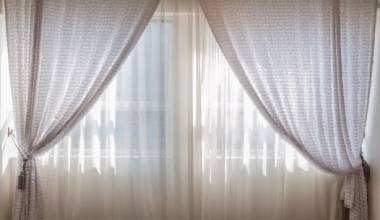
Sheer fabrics soften natural light and maintain an open feel. For high ceilings, floor-to-ceiling sheers in linen or voile create a dreamy, ethereal atmosphere. They can be layered under heavier drapes for versatility.
Velvet Curtains
Velvet brings richness and acoustic benefits. Its weight ensures proper draping without excessive volume. Perfect for formal living or dining areas. Look for cotton or polyester velvet with a woven backing to minimize fading.
Acoustic Curtains
In rooms with high ceilings and hard surfaces (like foyers or home theatres), acoustic curtains reduce echo and noise. These are typically made of dense, multi-layered fabrics with sound-absorbing properties. Specialized brands offer curtains with STC ratings up to 30.
Hardware and Installation Tips
Standard curtain rods may not support heavy, long curtains. Choose heavy-duty traversing rods with center support brackets for spans over 8 feet. Motorized track systems are highly recommended for high windows—they allow remote or voice control, eliminating the need to reach tall rods.
| Hardware Type | Best For | Weight Capacity |
|---|---|---|
| Steel decorative rods | Light to medium curtains (sheer, light polyester) | Up to 15 lbs per bracket |
| Traversing ceiling tracks | Heavy curtains (velvet, blackout, acoustic) | Up to 50 lbs per foot |
| Motorized systems | Very tall or inaccessible windows | Varies; professional installation recommended |
Install brackets at least 4 inches above the window frame to maximize height illusion. For a dramatic effect, mount the rod just below the ceiling crown molding.
Practical Operation and Maintenance
With high curtains, daily operation can be a hassle. Use these tips:
- Motorization: Invest in smart motorized blinds or curtains. Many can be controlled via an app, timer, or voice assistant.
- Long wands: If manual, purchase extension wands for easy opening/closing.
- Cleaning: High curtains collect dust but are hard to remove. Use a telescopic duster with microfiber head weekly. For deeper cleaning, consider professional dry cleaning every 2–3 years.
Style and Design Considerations
High ceilings allow for bold design choices. Consider these:
- Layering: Combine sheers with blackout panels for function and depth.
- Patterns and colors: Large-scale prints or vertical stripes can make the room feel more intimate, while light colors keep it airy.
- Hem weights: Add weights to the bottom hem to ensure curtains hang straight and don't billow in drafts.
Industry Applications and Case Studies
Home Theaters
Acoustic curtains paired with blackout liners create the perfect environment. In a recent project with 14-foot ceilings, we installed motorized velvet blackout curtains with a noise reduction of 20 decibels. Result: immersive experience without echo.
Hotel Lobbies
Sheer floor-to-ceiling curtains soften harsh sunlight and add elegance. A luxury hotel used dual tracks: sheers for daytime diffused light and velvet for evening ambiance. The motorized system allowed staff to adjust all curtains from a central panel.
Open-Plan Offices
For high ceiling offices, acoustic curtains are installed as room dividers. They reduce noise transfer between zones. One company used grid systems of ceiling-mounted blackout curtains to create temporary private meeting pods.
Conclusion
Curtains for high ceilings are an investment in both aesthetics and functionality. By selecting the right fabric—whether blackout, sheer, velvet, or acoustic—and using professional-grade hardware, you can transform a towering space into a comfortable, stylish room. Always prioritize safety: use secure brackets and consider motorization for hard-to-reach windows. With careful planning, your high ceilings will become a design asset, not a headache.