When decorating a small room, every design choice matters—especially window treatments. The right curtains can make a compact space feel larger, brighter, and more inviting, while the wrong ones can close it in. This guide covers everything you need to know about selecting, hanging, and styling curtains for small rooms, from fabric choices to hardware tricks.
Measure and Hang Curtains for Maximum Space
Proper measurement is the foundation of a great curtain setup in a small room. The goal is to create the illusion of height and width.
Width Matters
Extend your curtain rod beyond the window frame—ideally 6–12 inches on each side. This allows curtains to stack outside the window when open, letting in maximum light and making the window appear larger. The total rod length should be about 1.5 to 2 times the window width to ensure full coverage when closed.
Hang High, Not Low
Mount the rod as close to the ceiling as possible (4–6 inches below the ceiling is ideal). This draws the eye upward, making the ceiling seem higher and the room more expansive. For a dramatic effect, use floor-to-ceiling panels even if the window is smaller.
Floor-Length Curtains
Curtains should just kiss the floor or have a slight break (1/4- to 1/2-inch puddle). Avoid hems that hover above the floor, as they shorten the visual height. For a clean look, use curtains that barely touch the floor.
___PROTECTED_1___
Choose the Right Fabric: Light and Airy vs. Functional
Fabric weight and opacity significantly impact spatial perception. In small rooms, lighter fabrics generally work best, but functional needs like blackout or privacy require careful balancing.
| Fabric Type | Best For | Effect on Space |
|---|---|---|
| Sheer (polyester, linen blends) | Low-light rooms, layering, airy feel | Opens up room, diffuses light |
| Lightweight cotton or voile | Everyday privacy with brightness | Keeps space light and unobtrusive |
| Blackout (lined, thermal) | Bedrooms, media rooms | May darken room; use pale colors to offset bulk |
| Velvet or heavy drapes | Luxury, soundproofing | Can overwhelm; use sparingly or on one window |
Tip: For small rooms requiring blackout, choose a white or light-colored blackout lining behind a sheer outer layer. This gives you darkness without a heavy visual footprint.
___PROTECTED_2___
Color and Pattern Strategies to Visually Expand the Room
Color psychology plays a key role in small-space design. Light colors reflect light, making walls recede, while dark colors absorb it and create coziness (but can shrink the space).
Monochromatic Look
Choose curtains that match or closely blend with wall color. This eliminates visual breaks and creates a seamless backdrop, making the room feel larger.
Vertical Stripes
Curtains with vertical stripes (thin or wide) elongate the walls, adding perceived height. Avoid horizontal patterns that widen the space visually.
Pale Shades
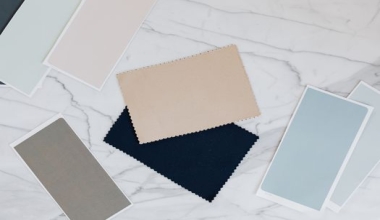
Whites, creams, soft pastels, and light greys are go-to choices. They bounce natural light around the room, enhancing brightness.
Bold Patterns: Use with Caution
If you love prints, limit them to a single curtain panel or use a small-scale pattern that doesn't overwhelm. Geometric or subtle metallic sheens can add interest without clutter.
Curtain Length and Width for Small Windows
Small windows require special consideration. Standard curtain panels are often too wide or long. Custom sizing or adjusting ready-mades is worth the effort.
Ideal Proportions
For a small window (e.g., 24 inches wide), use a rod that extends to 48 inches total, with curtains that gather to about 12 inches of stack on each side. The panel width before gathering should be at least 36 inches (1.5x window width).
Floor-Hemming
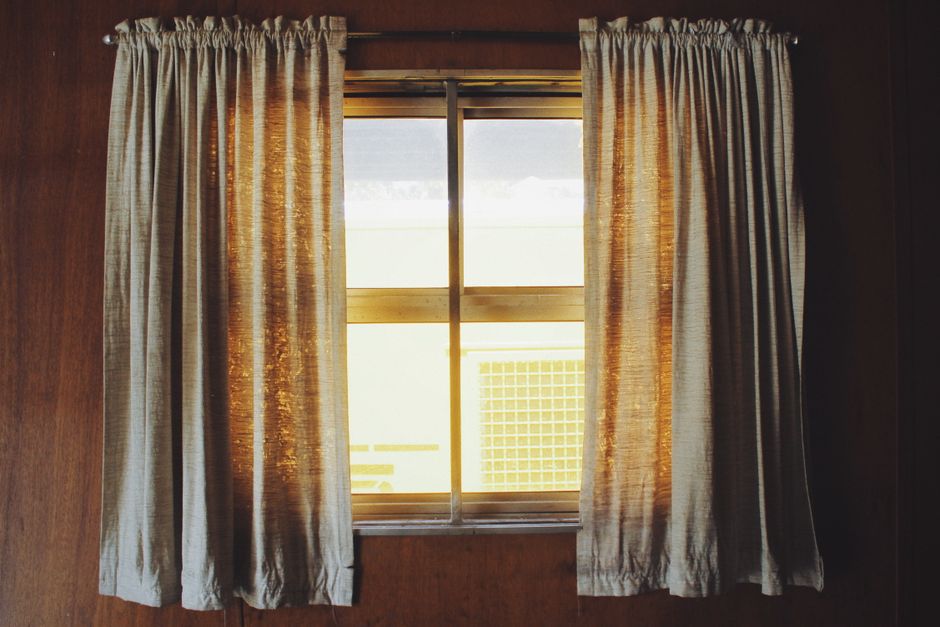
If you buy ready-made curtains, hem them to exactly floor length. Use hemming tape or sewing. Avoid wide hems that look bulky. For cafe-style curtains (half-height), ensure they end at the sill or just below—not in between.
Tier Curtains
In kitchens or bathrooms, tier curtains (hung on one rod for the bottom half) allow light in while providing privacy. They don't take up wall space, making them ideal for very small windows.
Curtain Hardware: Make it Disappear or Make it a Feature
In small rooms, curtain rods and finials shouldn't compete with the space. Choose hardware that blends or adds a subtle accent.
Slim and Sleek
Thin rods (3/4 inch or less) in finishes like matte black, brushed nickel, or white minimize visual weight. Consider ceiling-mounted tracks for a clean, invisible look.
Finials
Small finials (ball or flat ends) are better than large decorative ones that protrude. If space is tight, use rods with no finials (end caps only).
Layering Hardware
If using two layers (sheer + blackout), opt for a double rod set with a slim front rod and a rear rod. Make sure both rods are the same finish for a cohesive look.
Layering Curtains in Small Spaces
Layering can add depth and functionality without sacrificing space—if done correctly.
Sheer + Blackout Combo
Install a double rod: hang sheer panels on the front (closer to room) and blackout panels on the back (closer to window). During the day, keep sheers closed for privacy and light diffusing; at night, close the blackouts. This avoids the need for heavy lined curtains that look bulky.
Curtains + Blinds
For small rooms with limited wall space, combine curtains with roller shades or Roman blinds. Use curtains mainly for decoration and light control; blinds handle privacy. Keep curtains simple and unlined.
Avoid Overloading
Too many layers can crowd a small window. Stick to maximum two layers. Use valances sparingly—they add a horizontal line that can shorten the window.
Best Curtain Types for Small Rooms (Blackout, Sheer, Velvet, Acoustic)
Each fabric type serves a purpose. Here’s how to choose the best one for your small room:
Sheer Curtains
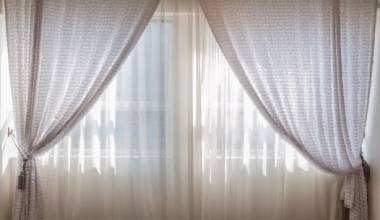
Ultimate space enhancers. Choose polyester sheers with a subtle sheen or linen-look blends. They let in soft light while providing daytime privacy. Perfect for living rooms and small bedrooms.
Blackout Curtains
Essential for sleep quality. Look for three-pass blackout lined curtains in light colors. Some come with foam backing that also provides thermal insulation. Avoid velvet blackout unless the room is very well-lit—velvet can feel heavy.
Velvet Curtains
Use only as a statement piece. Choose a short panel (e.g., sill length) in a rich jewel tone to add texture without overwhelming. Velvet works well in a small reading nook or over a tiny window.
Acoustic Curtains
If noise reduction is needed (e.g., street-facing small apartment), choose heavyweight acoustic curtains with dense weaving. They are bulky, so install them on a track close to the window and keep them pulled to the sides when not in use to minimize visual bulk.
Practical Tips for Maintaining Curtains in Compact Areas
Small rooms accumulate dust faster. Keep curtains looking fresh with these maintenance hacks:
- Vacuum weekly using a brush attachment on low suction to remove dust.
- Spot clean stains immediately with mild soap; avoid pulling fabric.
- Steam rather than iron to remove wrinkles without removing curtains.
- Rotate panels occasionally to ensure even sun exposure if using light fabrics.
- Use curtain tiebacks to keep panels open and maximize light during the day.
Final Thoughts
Curtains for small rooms require careful planning but the payoff is huge. By choosing the right fabric, extending hardware beyond the window, and using light colors, you can transform a cramped room into an airy retreat. Remember to prioritize function over fashion—but never forget that even small windows deserve beautiful, well-chosen curtains.