When temperatures soar, your home can become an oven if you don't have the right window treatments. Curtains are not just decorative—they play a crucial role in regulating indoor temperature, protecting your furniture from UV damage, and reducing energy costs. In hot climates, choosing the right fabric and style can make all the difference. This comprehensive guide explores how different curtain fabrics—blackout, sheer, velvet, and acoustic—perform in heat, and provides practical tips for keeping your space cool and comfortable.
Why Your Choice of Curtains Matters in Hot Climates
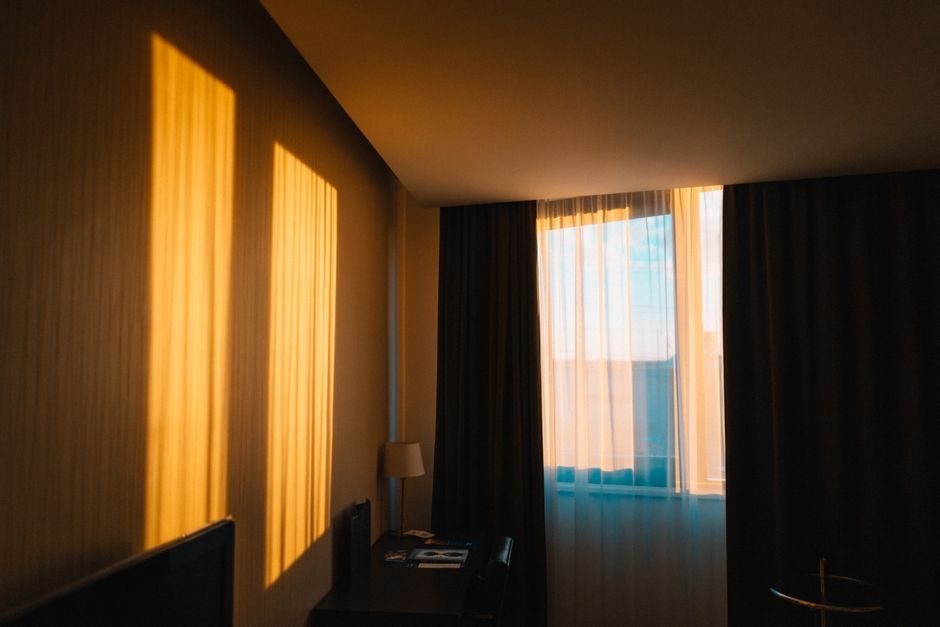
Windows are a major source of heat gain. Without proper coverage, sunlight streams in, raising indoor temperatures and forcing your air conditioner to work harder. The right curtains can block up to 99% of solar heat, protect against UV rays, and improve energy efficiency. But not all curtains are created equal. Factors like fabric thickness, lining, and color all influence how well curtains perform in hot weather.
In hot climates, you want curtains that reflect heat away from the window, insulate against the heat outside, and minimize glare without compromising natural light. Layering different fabrics can achieve the perfect balance. Let's dive into the best fabric options for hot climates.
___PROTECTED_1___
Best Curtain Fabrics for Hot Climates
Each fabric type has unique properties. Below, we break down how blackout, sheer, velvet, and acoustic curtains handle heat.
Blackout Curtains
Blackout curtains are the gold standard for hot climates. They are made from tightly woven, thick fabrics with a special coating or foam backing that blocks light and heat. High-quality blackout curtains can reduce heat transfer by up to 40%, keeping rooms cooler. They also prevent UV rays from fading furniture and flooring.
- Best for: Bedrooms, home theaters, and rooms facing west or south.
- Tip: Choose white or light-colored blackout linings to reflect more heat.
- Care: Most are machine washable on gentle cycle; avoid bleach.
Sheer Curtains
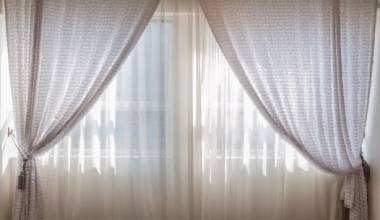
Sheer curtains are lightweight and semi-transparent. While they do not block heat effectively on their own, they excel at diffusing harsh sunlight and reducing glare while allowing airflow. In hot climates, use sheers as a first layer to soften light and add a layer of blackout curtains behind them for maximum thermal control.
- Best for: Living rooms, dining areas, and spaces where you want natural light without glare.
- Tip: Pair with UV-blocking coating or combine with blinds.
- Care: Gentle hand wash or machine wash in cold water; hang to dry.
Velvet Curtains
Velvet is a luxurious, heavy fabric known for its rich texture and excellent sound absorption. However, velvet is not ideal for hot climates because it is thick and traps heat. It can actually increase indoor temperature by preventing heat from escaping. Use velvet only in air-conditioned spaces if you want a dramatic look or need soundproofing, but avoid it for rooms that get direct sun.
- Best for: Cool, shaded rooms or for decorative accents.
- Tip: If you love velvet, choose a light color and a removable thermal lining.
- Care: Dry clean only; avoid sunlight to prevent fading.
Acoustic Curtains
Acoustic curtains are designed to dampen sound and are often heavy and multilayered. Like velvet, they are not inherently cooling. However, in hot climates where windows are kept closed for air conditioning, acoustic curtains can reduce outside noise from traffic or neighbors. Some acoustic curtains come with thermal backing, making them multi-functional.
- Best for: City apartments, home offices, and bedrooms near busy streets.
- Tip: Look for acoustic curtains with a reflective interlayer to combine noise reduction with heat control.
- Care: Follow manufacturer's instructions; often spot clean or vacuum.
___PROTECTED_2___
Fabric Comparison Table
| Fabric | Heat Blocking | Light Control | Energy Efficiency | Best Use in Hot Climate |
|---|---|---|---|---|
| Blackout | Excellent | Excellent | High (reduces AC load) | Primary layer for heat reduction |
| Sheer | Low | Medium (diffuses glare) | Low alone | Light filtering layer, pair with blackout |
| Velvet | Medium (traps heat) | High (blocks light) | Low (may increase heat) | Decorative or sound control only |
| Acoustic | Variable (depends on construction) | High (thick fabric) | Medium (if thermal lined) | Noise control in AC'd rooms |
Tips for Choosing Curtains in Hot Climates
Beyond fabric type, consider these factors to maximize cooling:
- Color matters: Light colors (white, cream, pastel) reflect sunlight, while dark colors absorb heat. For hot climates, choose light-colored curtains, especially on the side facing outdoors.
- Lining is key: A thermal or reflective lining significantly boosts heat rejection. Many blackout curtains come with integrated linings. For sheers, add a separate liner.
- Layering strategy: Combine sheers (for natural light) with blackout curtains (for heat blocking). Use a double rod to allow independent operation.
- Mounting: Mount curtains as close to the ceiling as possible and let them pool on the floor to trap air and prevent heat from coming around the edges.
- Consider motorization: For high windows or hard-to-reach areas, motorized curtains let you close them during peak sun hours automatically.
- Material breathability: Avoid synthetic, non-breathable fabrics in humid hot climates—they can trap moisture. Cotton blackout linings are more breathable.
How to Maintain Curtains in Hot Climates
Constant sun exposure and heat can degrade fabrics. Follow these care tips to extend the life of your curtains:
- Dust regularly: Use a vacuum with a brush attachment to remove dust and pollen that can trap heat.
- Clean according to fabric: Blackout and sheer curtains can often be machine washed on gentle cycle. Velvet and acoustic curtains typically need dry cleaning.
- Avoid direct sun when not in use: Use lining or draw curtains during peak UV hours to prevent fading.
- Check for mold: In humid climates, ensure curtains are not too close to windows to allow airflow and prevent mildew.
- Rotate use: If you have multiple sets, rotate them seasonally to reduce wear from constant sun exposure.
Buying Guide: What to Look For
When shopping for curtains for a hot climate, keep these pointers in mind:
- Check the fabric's UPF rating: Higher UPF (Ultraviolet Protection Factor) means better UV blockage. Look for UPF 50+.
- Look for “thermal” or “insulated” labels: These curtains often have multiple layers or a foam backing.
- Measure correctly: For maximum heat blocking, curtains should be 2-3 times the window width and extend 4-6 inches beyond the frame.
- Consider blackout interlining: Some fabrics (like sheers) can be custom-made with a separate blackout interliner.
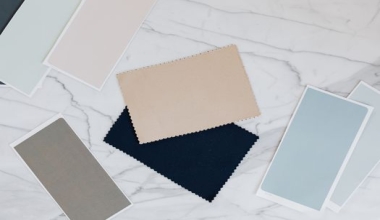
- Test the sample: Hold a fabric sample up to sunlight; see how much light passes through and feel the thickness.
- Read reviews: Look for feedback about heat reduction and durability in real-world conditions.
Conclusion
Curtains are a powerful tool for staying cool in hot climates. While blackout curtains are the top performer for heat rejection, combining them with sheers offers flexibility and style. Velvet and acoustic curtains have their places but work best when paired with thermal linings. By choosing the right fabric, color, and installation method, you can reduce your energy bills, protect your interiors, and create a comfortable oasis even on the hottest days.
Ready to upgrade your window treatments? Browse our collection of blackout, sheer, and thermal curtains designed for hot climates. Stay cool and enjoy the shade!