Hotel curtains are more than just decorative elements—they serve critical functions such as light control, privacy, soundproofing, and thermal insulation. Understanding the manufacturing process behind these bespoke products is essential for hoteliers, interior designers, and procurement managers. This guide takes you through every stage, from raw material selection to final quality checks.
1. Raw Material Selection
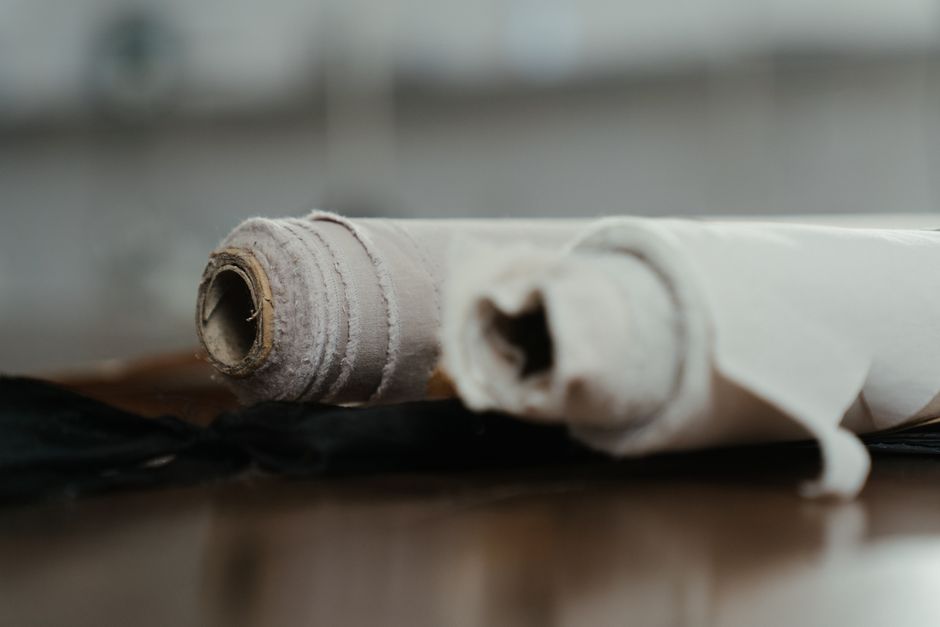
The foundation of any high-quality hotel curtain lies in the fabric. Manufacturers choose materials based on the curtain's intended function: blackout, sheer, velvet, or acoustic.
Blackout Linings
Blackout curtains require multiple layers, often a foam or coated backing. Common base fabrics include polyester, cotton-polyester blends, or fiberglass for fire resistance. The blackout coating is typically acrylic or polyurethane foam, applied to block 99% of light.
Sheer Fabrics
Sheer curtains use lightweight, translucent materials like polyester voile, linen blends, or silk. They are often woven with a leno or plain weave for transparency and durability.
Velvet Curtains
Velvet is made from silk, cotton, or synthetic fibers (like polyester or rayon). The fabric undergoes a pile weaving process to create a soft, plush surface. For hotels, flame-retardant (FR) treatments are essential.
Acoustic Curtains
These use dense, heavy fabrics such as multi-layer polyester or wool blends with sound-absorbing properties. Some incorporate mass-loaded vinyl (MLV) or additional foam layers.
___PROTECTED_1___
2. Fabric Weaving and Dyeing
Once raw materials are selected, they undergo weaving or knitting. For curtains, woven fabrics are preferred for their stability and drape.
Weaving Techniques
- Plain weave: Simple, strong, used for blackout linings.
- Satin weave: Smooth surface, ideal for luxury curtains.
- Jacquard weave: Creates intricate patterns, common for hotel logos or custom designs.
Dyeing Processes
Fabric is dyed either as yarn (yarn-dyed) or after weaving (piece-dyed). Yarn-dyed fabrics have better colorfastness, critical for hotel curtains exposed to sunlight. For consistent color, manufacturers use computer color matching (CCM) and spectrophotometers.
___PROTECTED_2___
3. Cutting and Sewing
After fabric preparation, precise cutting and sewing begin. Hotel curtains are often made to measure, so accuracy is paramount.
Pattern Matching
For patterned fabrics, manufacturers use automatic spreading machines to align repeats. This ensures seamless design continuity across panels.
Seaming and Hemming
- Side hems: Usually 1-2 inch double-fold hems for durability.
- Bottom hem: Weighted hem or chain pockets to ensure proper draping.
- Top finish: Pleating (pinch, goblet, or pencil pleats) or grommets for track systems.
Lining Attachment
Blackout and acoustic curtains often have separate linings. Manufacturers sew the face fabric and lining together using a lock-stitch to prevent shifting. Some use interlining for added insulation.
4. Finishing Processes
Finishing enhances functionality and appearance.
Flame Retardant Treatment
Hotels require curtains to meet local fire codes. Fabrics are treated with flame-retardant chemicals (e.g., phosphates or brominated compounds) either during dyeing or as a top finish. The process must not affect color or feel.
Water and Stain Repellency
For high-traffic areas, a fluorocarbon or silicone coating can be applied to repel liquids and stains.
Pressing and Steaming
Curtains are steamed or pressed to remove creases and set pleats. This is especially important for velvet, which requires gentle handling to avoid crushing the pile.
5. Quality Control
Every hotel curtain undergoes rigorous inspection.
Visual Inspection
Light boxes are used to check for defects like streaks, knots, or color variations.
Performance Testing
- Light blockage: Measured with a lux meter or spectrophotometer for blackout curtains.
- Acoustic testing: Sound transmission class (STC) for acoustic curtains.
- Flame resistance: Vertical flame test (e.g., NFPA 701 or BS 5867).
- Colorfastness: Tests to light, washing, and rubbing (AATCC or ISO standards).
Dimensional Accuracy
Each panel is measured for width, length, and pleat spacing. Tolerances are typically ±0.25 inches.
6. Customization for Hotels
Manufacturers offer extensive customization options to match hotel branding and room styles.
Size and Fit
Custom widths (up to 140 inches) and lengths (floor-to-ceiling) are common. Motorized tracks or cordless options are available for safety and convenience.
Design Elements
- Embroidered logos or monograms.
- Contrast trims, tassels, or beaded edges.
- Smart integration: Sensors for automated opening/closing based on light or occupancy.
7. Packaging and Logistics
Finished curtains are folded or rolled, vacuum-packed to reduce volume, and shipped with care instructions. For large hotel orders, manufacturers often coordinate with interior contractors for on-site installation.
Practical Tips for Hotel Buyers
- Always request fire safety certifications.
- Choose blackout curtains for guest rooms to improve sleep quality.
- Use sheer curtains in common areas for ambient light and elegance.
- velvet works best in lounge or drapery for a luxurious feel.
- Acoustic curtains are ideal for conference rooms and restaurants.
Understanding this process empowers you to select curtains that not only look stunning but also perform optimally for years. Partner with reputable manufacturers who offer clear quality reports and sample swatches. The right hotel curtain manufacturing process ensures a perfect blend of aesthetics, durability, and safety.