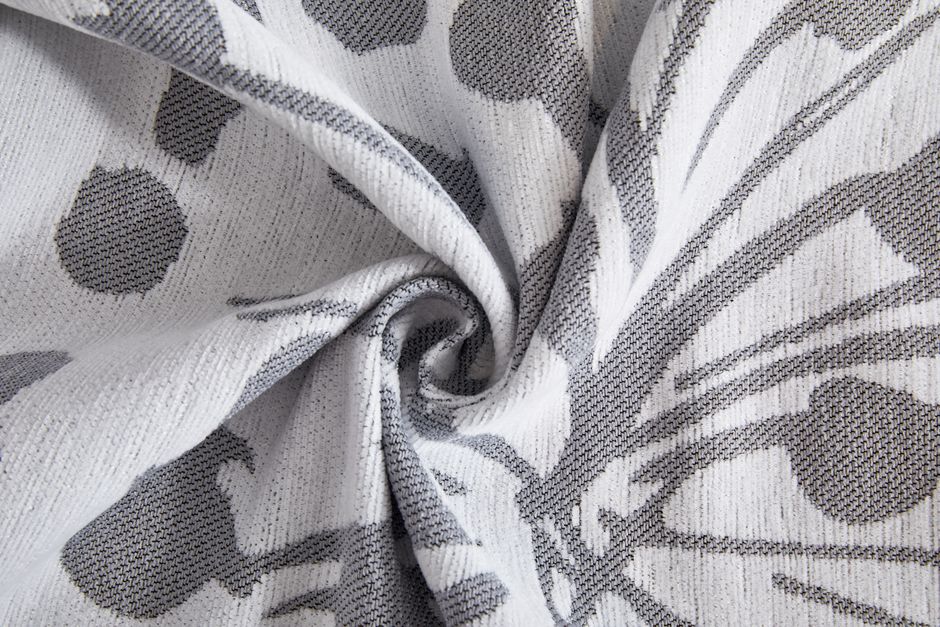
Introduction to Jacquard Fabric
Jacquard fabric is a richly textured material created using a special weaving technique that produces intricate, multicolored patterns directly into the cloth. Unlike printed fabrics where the design is applied to the surface, jacquard patterns are woven from the start, resulting in durability and depth. This guide explores everything you need to know about jacquard fabric, from its history and types to practical applications in curtains, upholstery, and home decor.
___PROTECTED_1___
How Jacquard Fabric Is Made
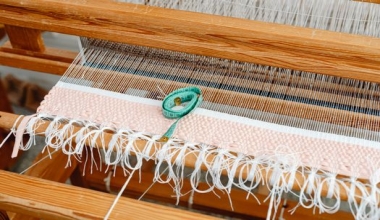
The jacquard weaving process uses a jacquard loom, which controls individual warp threads to create complex patterns. The loom reads a series of punch cards (now digital) to lift threads in precise sequences. This allows for unlimited design possibilities – from florals and damasks to geometric and pictorial motifs. The fabric can be made from various fibers: cotton, silk, polyester, wool, or blends. Because the pattern is woven, it can be reversible (jacquard double cloth) or have a distinct face and back.
Key Characteristics
- Woven pattern: Designs are integral, not printed or embroidered.
- Texture: Raised or textured areas depending on weave structure.
- Durability: Tight weave resists fraying and fading.
- Weight: Medium to heavy, suitable for drapery.
___PROTECTED_2___
Types of Jacquard Fabrics
| Type | Description | Common Uses |
|---|---|---|
| Brocade | Heavy, richly decorated jacquard with raised patterns in metallic or silk threads. | Formal curtains, upholstery, evening wear |
| Damask | Reversible jacquard with a satin weave pattern; often floral or symmetrical. | Tablecloths, drapery, bedding |
| Tapestry | Thick, textured jacquard with multi-colored weft threads creating pictorial scenes. | Wall hangings, cushion covers, upholstery |
| Matelassé | Quilted-looking jacquard with a puckered surface; often used for bedding. | Bedspreads, upholstery |
Jacquard vs. Other Fabrics
Jacquard vs. Print
Printed fabrics have patterns applied after weaving, which can fade or wear off. Jacquard patterns last the life of the fabric. However, jacquard is more expensive and heavier.
Jacquard vs. Brocade
Brocade is a subset of jacquard, but not all jacquard is brocade. Brocade typically has metallic threads and a raised, embossed look. General jacquard can be flatter.
Jacquard vs. Embroidery
Embroidery adds threads onto a base fabric; jacquard weaves them in. Embroidery can be more dimensional and looser; jacquard is tighter and more durable.
Advantages of Jacquard for Curtains
- Aesthetic appeal: Luxurious, intricate designs add elegance to any room.
- Light control: Dense weave blocks more light than plain weaves; can be lined for blackout.
- Insulation: Thick fabric provides thermal and sound insulation.
- Longevity: Resists fading from sunlight better than prints.
Care Tips for Jacquard Curtains
Cleaning
Most jacquard curtains are dry-clean only due to the delicate fibers (especially silk). Polyester jacquard may be machine-washable on gentle cycle. Always check the label. For spot cleaning, use a mild detergent and cold water, blot don't rub.
Ironing
Iron on low heat while slightly damp, or steam. Avoid pressing directly on metallic threads. Use a pressing cloth to protect the pattern.
Storage
Fold with acid-free tissue to prevent creases. Do not hang in direct sunlight or damp areas.
Applications Beyond Curtains
Jacquard is versatile. Besides drapery, it's used for upholstery (sofas, chairs), throw pillows, bedding, table linens, and even fashion garments. Its durability makes it ideal for high-traffic areas when blended with synthetic fibers.
How to Choose Jacquard Curtains
- Consider the room: Formal living rooms suit brocade or damask; bedrooms can use lighter jacquards.
- Color and pattern: Large patterns make a statement; small patterns add texture without overwhelm.
- Lining: For blackout or thermal purposes, choose a lined option or add a lining.
- Fabric content: Cotton/polyester blends are durable and easier to maintain than pure silk.
Frequently Asked Questions
Is jacquard fabric heavy?
Yes, typically medium to heavy, making it suitable for curtains that drape well.
Can jacquard curtains be used in humid areas?
If made from synthetic blends, yes. Natural fibers like silk may be damaged by moisture.
How does jacquard affect light?
Its dense weave reduces light penetration. With a blackout lining, it can achieve near-total darkness.
Conclusion
Jacquard fabric offers unmatched beauty and durability for curtains and home decor. Its woven patterns never fade, and its weight gives a luxurious feel. Whether you prefer classic damask or modern geometric designs, jacquard is an investment in quality. Pair it with proper care and the right lining to enjoy its elegance for years. Explore our collection of jacquard curtains to find your perfect pattern.