Voile fabric is one of the most popular choices for lightweight, sheer curtains and summer clothing. Derived from the French word for 'veil,' voile is known for its delicate, semi-transparent appearance and soft, flowing drape. In this comprehensive guide, we explore everything you need to know about voile fabric—from its composition and characteristics to its uses, care, and how it compares to other sheer materials.
What Is Voile Fabric?
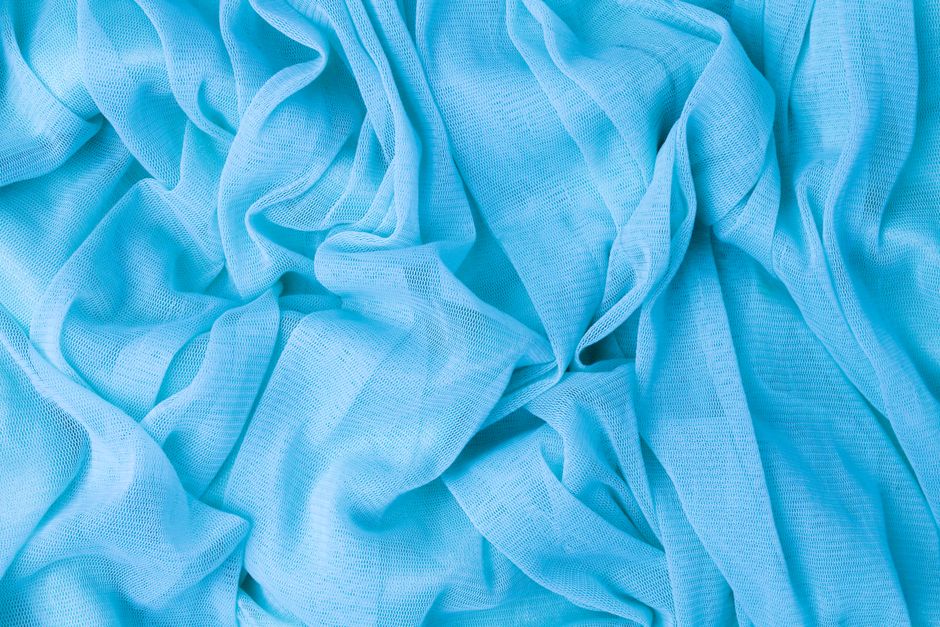
Voile is a lightweight, plain-weave fabric made from a variety of fibers, most commonly cotton, polyester, or blends. The weave is tight yet fine, creating a soft, slightly crisp hand feel. Voile typically has a thread count between 80 and 200, giving it a smooth texture while maintaining breathability. The fabric is often mercerized (for cotton) or treated to enhance luster and strength.
Originally produced in Europe during the 19th century, voile gained popularity as a summer fabric for dresses and curtains. Today, it is widely used in home decor for its ability to diffuse light while still offering a degree of privacy.
___PROTECTED_1___
Key Characteristics of Voile Fabric
Voile stands out for its unique combination of properties:
- Sheerness: Voile is semi-transparent, allowing light to filter through gently.
- Softness: Despite its crisp texture, voile becomes softer after washing.
- Breathability: The open weave allows air circulation, making it ideal for warm climates.
- Lightweight: Voile is extremely light, making it easy to hang and manipulate.
- Drapability: It falls in soft, graceful folds, perfect for elegant curtains.
- Durability: With proper care, voile can last for years without fraying or fading.
___PROTECTED_2___
Types of Voile Fabric
Voile can be made from different fibers, each with its own advantages:
Cotton Voile
100% cotton voile is the classic choice. It is highly breathable, soft, and natural. Cotton voile curtains offer an eco-friendly option and drape beautifully. However, it may wrinkle more than synthetic blends.
Polyester Voile
Polyester voile is more resistant to wrinkles, shrinking, and UV damage. It is often cheaper and easier to care for, making it a popular choice for large curtain panels. Many polyester voiles mimic the look of cotton but with added durability.
Silk Voile
Luxurious and lustrous, silk voile is lighter than most silks but still expensive. It is often used for high-end drapery or special occasion clothing. Silk voile requires delicate care (dry clean recommended).
Blended Voile
Cotton-polyester blends combine the softness of cotton with the durability of polyester. These are common in ready-made curtains and offer a balance of aesthetics and practicality.
Common Uses of Voile Fabric
Voile's versatility makes it suitable for many applications:
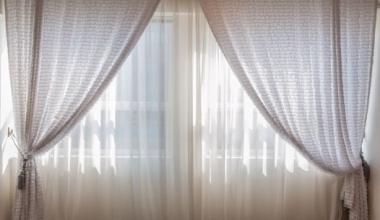
- Curtains and Drapes: Voile is the go-to fabric for sheer curtains. It softens harsh sunlight while maintaining daytime privacy. Often layered with blackout curtains for a complete window treatment.
- Clothing: Summer dresses, blouses, scarves, and lingerie often use voile for its cool, airy feel.
- Home Décor: Voile is used for bed canopies, tablecloths, cushion covers, and even mosquito nets.
- Wedding & Event Decor: Its ethereal appearance makes voile popular for draping, arches, and chair sashes.
Voile vs. Other Sheer Fabrics
Voile is often confused with other sheers. Here’s how it compares:
| Fabric | Weave | Texture | Opacity | Drape | Best Use |
|---|---|---|---|---|---|
| Voile | Plain weave | Smooth, soft | Semi-sheer | Soft, flowing | Curtains, clothing |
| Chiffon | Plain weave (crepe) | Rough, crinkly | Sheer | Flowy, slippery | Evening wear, scarves |
| Organza | Plain weave | Stiff, crisp | Sheer | Structured, puffy | Formal drapery, decorations |
| Lace | Patterned openwork | Decorative, delicate | Sheer to opaque | Varies | Curtains, overlays |
How to Care for Voile Fabric
Proper maintenance keeps voile looking fresh:
- Washing: Most voile (cotton and polyester) can be machine washed on a gentle cycle in cold water. Use a mild detergent. Avoid bleach.
- Drying: Hang dry to prevent shrinkage. If using a dryer, choose low heat and remove while slightly damp.
- Ironing: Voile wrinkles easily. Iron on a low to medium setting (use a pressing cloth for silk).
- Storing: Fold loosely in a cool, dry place. Avoid hanging heavy items on voile curtains.
Benefits of Voile Curtains
Voile curtains offer several advantages for homeowners:
- Light Filtering: They soften harsh sunlight, creating a warm, diffused glow.
- Privacy: While sheer, voile obscures the view during the day when light is brighter outside.
- Aesthetic Appeal: Voile adds a touch of elegance and airiness to any room.
- Layering: They pair well with blackout curtains or blinds for flexible light control.
Choosing the Right Voile Fabric for Your Curtains
Consider these factors when selecting voile:
- Opacity: Determine how much light you want to filter. Tightly woven voiles offer more privacy.
- Color: White and off-white are classic, but colors can add personality. Darker voiles provide more privacy.
- Texture: Some voiles have a subtle slub or pattern. This can add visual interest.
- Lining: For extra privacy or UV protection, opt for lined voile or layer with another curtain.
- Width: Measure windows accurately; voile often comes in narrow widths, so plan for seams or buy wider panels.
Conclusion
Voile fabric is a timeless choice for creating light, airy curtains that combine beauty and function. Whether you choose pure cotton, durable polyester, or a luxurious silk blend, voile offers unmatched versatility. By understanding its properties and care requirements, you can enjoy voile curtains that enhance your living space for years to come. For more curtain fabric guides, explore our other articles on blackout, velvet, and acoustic materials.