Silk curtain fabric has long been synonymous with luxury, elegance, and timeless beauty. Whether you're designing a grand living room or an intimate bedroom, silk curtains can transform a space with their natural sheen, soft drape, and rich texture. But what exactly is silk curtain fabric, and is it the right choice for your home? In this comprehensive guide, we'll explore everything you need to know about silk curtains—from types and benefits to care tips and comparisons with other fabrics.
What Exactly Is Silk Curtain Fabric?
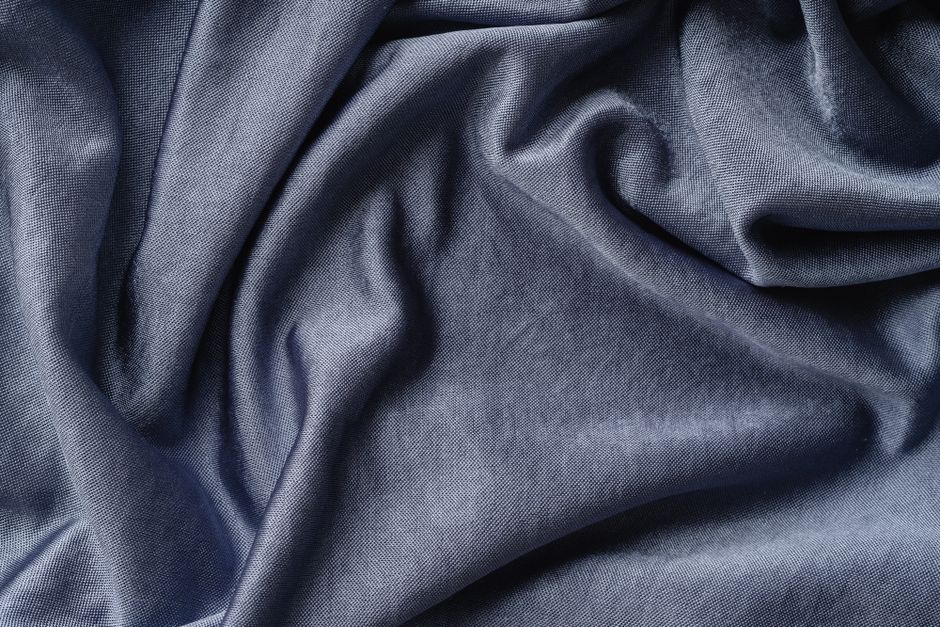
Silk is a natural protein fiber produced by silkworms, primarily the larvae of the mulberry silkworm (Bombyx mori). The fibers are woven into textiles that are prized for their smoothness, luster, and strength. Silk curtain fabric is specifically designed for window treatments, offering a unique combination of beauty and functionality. Unlike synthetic mimics, genuine silk has a characteristic shimmer that changes with the angle of light, and it feels luxuriously soft to the touch.
___PROTECTED_1___
Types of Silk Used for Curtains
Not all silk fabrics are created equal. For curtains, certain weaves and finishes are more suitable. Here are the most common types:
- Mulberry Silk: The highest quality silk, produced from silkworms fed exclusively on mulberry leaves. It has a fine, uniform texture and excellent strength.
- Tussar Silk: Also known as wild silk, it has a more textured, matte appearance and is less expensive. It's durable but not as lustrous.
- Charmeuse Silk: A lightweight, satin-weave silk with a glossy front and matte back. Often used for lined curtains.
- Silk Velvet: A plush, cut-pile fabric made from silk, offering a rich, tactile experience. Ideal for formal spaces.
- Raw Silk: A coarse, natural-looking fabric that retains the sericin (silk gum) for a slightly stiff texture. Gives a rustic, organic feel.
___PROTECTED_2___
Advantages of Silk Curtain Fabric
Silk curtains offer several benefits that make them a desirable choice:
- Natural Luster: Silk's prismatic structure reflects light beautifully, creating a warm, elegant glow in any room.
- Softness and Drape: Silk fibers are incredibly fine, allowing curtains to fall in graceful folds without being stiff.
- Temperature Regulation: Silk is a natural insulator. It can help keep a room warm in winter and cool in summer.
- Hypoallergenic Properties: Silk is naturally resistant to dust mites, mold, and mildew, making it a great option for allergy sufferers.
- Longevity: With proper care, silk curtains can last for decades, developing a beautiful patina over time.
Disadvantages and Considerations
While silk is stunning, it's not without drawbacks:
- Light Sensitivity: Prolonged exposure to direct sunlight can cause silk to yellow, fade, or become brittle. Consider lining or using in rooms with UV protection.
- Stain Prone: Silk absorbs moisture and stains easily. Water spots and oil stains can be difficult to remove.
- Cost: Genuine silk is expensive compared to polyester or cotton blends.
- Delicate Care: Most silk curtains require dry cleaning or gentle hand washing, which adds maintenance time and cost.
Silk vs. Other Curtain Fabrics
| Feature | Silk | Polyester | Cotton | Velvet |
|---|---|---|---|---|
| Luster | Natural sheen | Artificial shine | Matte | Soft glow |
| Drape | Excellent | Good | Moderate | Structured |
| Durability | Moderate (with care) | High | High | Moderate |
| Sun resistance | Poor | Good | Good | Fair |
| Maintenance | Dry clean | Machine wash | Machine wash | Dry clean |
| Cost | High | Low to mid | Low to mid | Mid to high |
How to Choose the Right Silk Curtain Fabric
Selecting the perfect silk curtains involves several considerations:
- Room Function: For high-traffic areas or bedrooms with direct sun, opt for lined silk or silk blends to mitigate light damage.
- Color and Pattern: Silk absorbs dye beautifully. Choose colors that complement your decor. Dark colors show less fading over time.
- Weave and Weight: Heavier silk fabrics like duchesse satin work well for formal drapery, while lighter charmeuse is ideal for sheer curtains.
- Lining: A lining not only protects silk from sunlight but also adds insulation and improves opacity. Consider blackout lining for bedrooms.
- Budget: If pure silk is out of reach, consider silk blends (e.g., silk-cotton or silk-polyester) that offer similar aesthetics at a lower price.
Caring for Silk Curtains
Proper maintenance ensures your silk curtains remain beautiful for years:
- Professional Dry Cleaning: This is the safest method. Avoid home washing unless the care label explicitly allows it.
- Spot Cleaning: For minor stains, blot gently with a clean, damp cloth. Never rub. Use a mild silk-safe detergent if needed.
- Sun Protection: Install UV-filtering window film or use lined curtains to reduce sun exposure.
- Dusting: Regularly vacuum with a soft brush attachment or gently shake curtains to remove dust.
- Steaming: Use a handheld steamer on low heat to remove wrinkles—never iron directly on silk.
- Storage: Store in a cool, dry place away from direct light. Use breathable garment bags; avoid plastic.
Frequently Asked Questions
Is silk curtain fabric suitable for humid climates?
Silk can absorb moisture from the air, which may lead to mildew in extremely humid conditions. However, with proper ventilation and lining, it can still be used. Consider silk blends or alternative fabrics for bathrooms or kitchens.
Can I use silk curtains in a child's room?
Silk is delicate and stains easily, so it's not ideal for young children's rooms where spills and rough handling are common. Cotton blends or polyester might be more practical.
How do I know if silk curtains are genuine?
Look for a burn test: real silk smells like burnt hair and leaves a fine ash, while synthetic fibers melt and smell like plastic. Also, genuine silk has irregularities in texture and is highly lustrous.
Conclusion
Silk curtain fabric offers unparalleled elegance and a luxurious feel that can elevate any interior. While it requires extra care and investment, the beauty and longevity of silk make it a worthwhile choice for those seeking a high-end finish. By understanding the types, benefits, and maintenance needs, you can make an informed decision and enjoy the timeless charm of silk curtains in your home.