Selecting the right hotel curtain supplier is a critical decision that directly impacts guest satisfaction, operational efficiency, and brand image. Hotel curtains are not just decorative elements; they serve functional roles such as light control, privacy, noise reduction, and thermal insulation. This comprehensive guide will walk you through the essential factors to consider, the types of fabrics available, maintenance tips, and practical steps to partner with a reliable supplier. Whether you run a luxury boutique hotel, a business chain, or a budget property, this article will help you make an informed choice.
Why Choosing the Right Hotel Curtain Supplier Matters
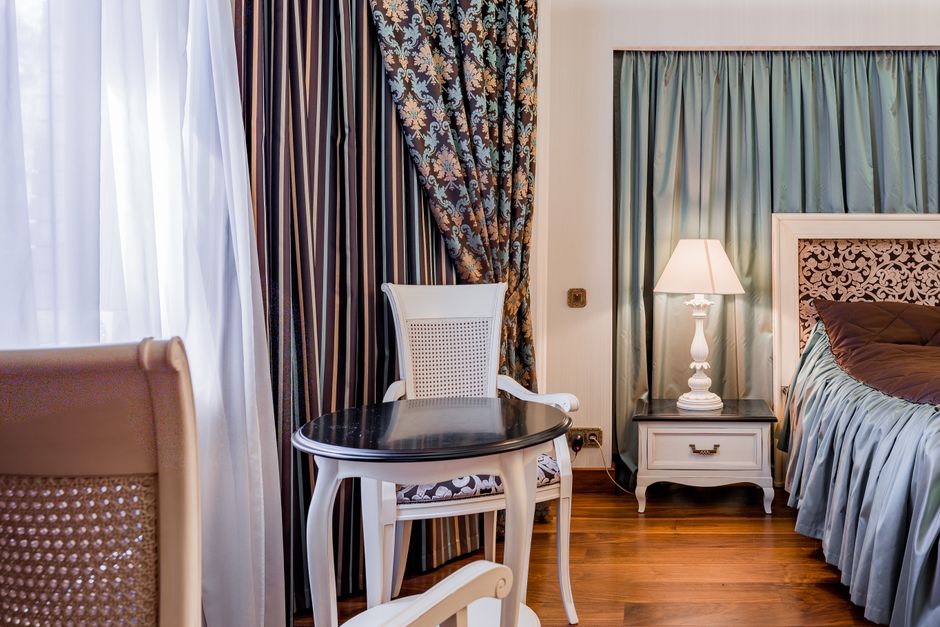
Hotel curtains contribute significantly to the guest experience. Blackout curtains ensure a restful sleep by blocking early morning light, while sheer curtains create an airy ambiance during the day. Velvet adds a touch of luxury, and acoustic fabrics reduce noise from corridors or outside streets. A trustworthy supplier provides consistent quality, meets safety standards, and offers customization to match your hotel’s aesthetic. Partnering with the wrong supplier can lead to fabric fading, poor fitting, delayed deliveries, and non-compliance with fire regulations, ultimately damaging your reputation and incurring extra costs.
___PROTECTED_1___
Key Factors to Consider When Selecting a Supplier
Fabric Quality and Variety
A top-tier supplier should offer a wide range of high-performance fabrics: blackout (with linings or coated), sheers, velvet, and acoustic materials. Request samples to test light blockage, texture, and durability. Ensure fabrics are fade-resistant and easy to clean, as hotel curtains endure frequent dry cleaning or laundering.
Customization Capabilities
Hotels often require custom sizes, patterns, and branding (e.g., embroidered logos). Choose a supplier that offers made-to-measure services, multiple header styles (pleated, eyelet, or ripplefold), and diverse hardware options in finishes like brushed nickel or brass. Customization ensures a tailored look that aligns with your interior design.
Compliance with Fire Safety Standards
Hotel curtains must meet local fire retardancy regulations (e.g., NFPA 701 in the US, BS 5867 in the UK). Verify that the supplier’s fabrics are certified and provide documentation. Avoid suppliers who skip this step, as non-compliance can result in fines, legal liability, and safety hazards.
Pricing and Minimum Order Quantities
Compare quotes from multiple suppliers, but don’t choose solely on price—consider quality and service. Inquire about minimum order quantities (MOQs), which vary from 50 to 500 yards per fabric. Some suppliers offer tiered pricing for bulk orders, making them cost-effective for large hotel projects.
Lead Times and Logistics
Ask about production lead times (typically 2-6 weeks for custom orders) and shipping costs. Delays can disrupt hotel openings. Prefer suppliers with a reliable track record and the ability to expedite orders when needed. Also, check if they offer installation services or can recommend local installers.
___PROTECTED_2___
Types of Curtain Fabrics for Hotels
Blackout Fabrics
Blackout curtains block 95-99% of light, crucial for bedroom-facing windows. They often have a foam or rubber coating on the back and are available in polyester, cotton blends, or triple-weave constructions. Benefits: better sleep quality, energy savings (thermal insulation), and property protection from UV damage. Ideal for guest rooms, spa areas, and conference rooms.
Sheer Fabrics
Sheer curtains (voile, linen look, or polyester) allow diffused light while providing daytime privacy. They soften harsh sunlight and create an elegant, spacious feel. Common in lobbies, restaurants, and event spaces. Combine with blackout curtains for a layered look.
Velvet Fabrics
Velvet radiates luxury and warmth. It excels in sound absorption (due to thick pile) and light blocking when lined. Often used in high-end suites, theatres, and dining rooms. However, it requires careful cleaning—always check the supplier’s care guidelines.
Acoustic Fabrics
Acoustic curtains are designed to reduce noise transmission. They are typically heavy, multi-layered, and made from dense materials like felt or mass-loaded vinyl. Perfect for meeting rooms, restaurants with high noise levels, or rooms facing busy streets. They can lower sound by up to 50% depending on installation.
| Fabric Type | Light Control | Noise Reduction | Thermal Insulation | Maintenance | Typical Uses |
|---|---|---|---|---|---|
| Blackout | Excellent (95-99%) | Moderate | Good | Dry clean or gentle wash | Guest rooms, conference halls |
| Sheer | Low (filters light) | Minimal | Low | Machine wash on delicate | Lobby, dining areas |
| Velvet | High when lined | High | Moderate | Professional dry clean | Suites, lounge areas |
| Acoustic | Moderate (dense) | Very high | Good | Spot clean only | Meeting rooms, corridors |
Care and Maintenance Tips for Hotel Curtains
Proper maintenance extends the life of curtains and maintains their appearance. For blackout and velvet curtains, professional dry cleaning is recommended every 6–12 months. Sheer curtains can often be machine washed on a gentle cycle with mild detergent. Acoustic curtains should be spot cleaned; immersion may damage the inner layers. Always follow the supplier’s instructions. Additionally, rotate curtains if possible to ensure even wear, and use high-quality tracks or rods to prevent sagging.
Buying Guide: Steps to Partner with a Reliable Supplier
- Define Your Requirements: List the number of rooms, desired fabric types, colors, budget per room, and any special needs (e.g., blackout for 80% of rooms).
- Research and Shortlist Suppliers: Look for suppliers with hospitality experience. Check online reviews, case studies, and portfolios.
- Request Samples and Test Quality: Order swatches to verify color accuracy, light blockage, and feel. Test fire retardancy certification.
- Check References and Certifications: Contact past hotel clients to inquire about punctuality, product durability, and after-sales service.
- Negotiate Contract Terms: Discuss pricing, MOQs, payment terms, delivery schedule, and warranty. Get everything in writing.
- Plan for Installation and After-Sales Support: Ask if the supplier can provide installation or recommend local partners. Ensure they offer support for future repairs or replacements.
Industry Application Cases
Case 1: Luxury Boutique Hotel in Paris
This 80-room hotel chose velvet drapes for guest rooms to achieve a classic Parisian aesthetic and blackout linings for optimal sleep. The supplier provided custom embroidered sheers for the lobby, creating a warm welcome. The result: increased guest satisfaction scores and reduced energy costs.
Case 2: Mid-Range Business Hotel Chain in New York
To minimize noise from traffic, they installed acoustic curtains in meeting rooms and sheer-blackout combos in sleeping quarters. The supplier offered a 5-year warranty and quick turnaround, which was vital for a phased renovation across 15 locations.
Case 3: Eco-Friendly Resort in Costa Rica
They sourced organic cotton blackout and recycled polyester acoustic fabrics from a sustainable supplier. The curtains not only performed well but also aligned with the resort’s green certification, attracting environmentally conscious guests.
Conclusion
Selecting a hotel curtain supplier requires careful research and a focus on quality, safety, and reliability. By understanding your needs, evaluating fabric options, and following a structured buying process, you can create a comfortable and stylish environment that guests will remember. Take the time to request samples and ask tough questions—your investment will pay off in long-term performance and durability.