Why Coastal Areas Demand Special Curtain Fabrics
Living near the coast offers stunning views and a refreshing sea breeze, but it also poses unique challenges for home furnishings. The combination of salt spray, high humidity, intense sunlight, and strong winds can rapidly degrade standard curtains. In coastal environments, curtains must resist fading, moisture damage, mold, and fabric deterioration. Choosing the right curtain fabric—whether blackout, sheer, velvet, or acoustic—can make the difference between a long-lasting investment and frequent replacements. This guide explores the best options for coastal areas, along with care tips and practical advice to keep your curtains looking beautiful for years.
___PROTECTED_1___
Challenges of Coastal Environments for Curtains
Salt Air and Corrosion
Salt particles carried by the wind can settle on curtain fabrics, causing discoloration and weakening fibers over time. Metal components like curtain rods and rings are also prone to rust. Fabrics with tight weaves and synthetic fibers resist salt damage better than natural fibers like cotton or linen.
High Humidity and Moisture
Coastal humidity can encourage mold, mildew, and rot, especially in fabrics that absorb moisture. This is a critical factor when selecting curtains for bathrooms, kitchens, or any room with limited ventilation. Moisture-resistant fabrics and proper installation (with air circulation) are essential.
Intense UV Exposure
Sunlight near the coast is often stronger due to reflection off water. UV rays can fade colors, weaken fibers, and degrade fabric treatments. Blackout curtains and those with UV-blocking coatings are highly recommended to protect interiors and prolong curtain life.
Strong Winds
Coastal winds can cause lightweight curtains to billow and flap, leading to wear and tear. Heavier fabrics or those with weighted hems stay in place better. Acoustic curtains, while primarily for soundproofing, also offer significant weight and wind resistance.
___PROTECTED_2___
Best Curtain Fabrics for Coastal Areas
The ideal coastal curtain fabric balances durability, light control, moisture resistance, and easy maintenance. Below are the top fabric types and their suitability.
| Fabric Type | Best For | Key Benefits | Considerations |
|---|---|---|---|
| Blackout Curtains | Bedrooms, media rooms | UV protection, light blocking, thermal insulation | Can be heavy; choose moisture-resistant backing |
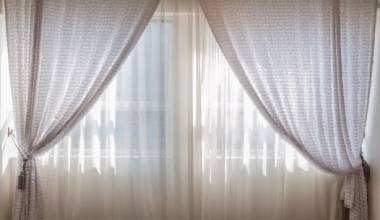
| Sheer Curtains | Living rooms, sunrooms | Light filtering, airy feel, ocean view preservation | Low UV protection; pair with blackout for sun control |
| Velvet Curtains | Formal spaces, high-end decor | Luxurious look, heavy weight, wind resistance | Requires regular vacuuming; can trap salt |
| Acoustic Curtains | Noise reduction, insulation | Thick, dense, sound-absorbing, UV blocking | Expensive; heavy; need strong hardware |
Top Recommendations: Fabrics and Treatments
1. Polyester Blackout Curtains
Polyester is a synthetic fiber that resists salt, moisture, and UV damage better than natural fibers. Blackout polyester curtains often have a foam or acrylic coating that blocks light and provides extra insulation. Look for curtains with a moisture-resistant backing to prevent mildew. These are ideal for bedrooms and home theaters in coastal homes.
2. Solution-Dyed Acrylic Sheers
Sheer curtains made from solution-dyed acrylic retain color vibrancy even after years of sun exposure. They allow natural light while providing a degree of privacy. For coastal areas, choose sheers with a tight weave to minimize salt penetration. Pairing them with blackout drapes offers versatility.
3. Faux Velvet (Polyester Blend)
Genuine velvet (silk or cotton) is not recommended for coastal areas due to moisture absorption. However, faux velvet made from polyester or blends offers the same luxurious appearance with better durability. The dense pile resists wind and provides excellent light blocking. Opt for a polyester-velvet with a protective finish to repel salt and moisture.
4. Acoustic Curtains with Thermal Backing
Acoustic curtains are heavy, multi-layered fabrics designed to absorb sound. In coastal settings, their thickness also makes them excellent insulators against heat and cold. Many acoustic curtains have a separate backing layer that adds moisture protection. They are ideal for rooms facing noisy streets or for creating a quiet retreat. Ensure the curtain track can support the weight.
Care Tips for Coastal Curtains
Proper maintenance extends the life of your curtains dramatically. Follow these tips specific to coastal environments:
- Regular Dusting: Use a vacuum with a brush attachment weekly to remove salt crystals and sand. Avoid beating or shaking, which can embed particles into fibers.
- Gentle Washing: Most synthetic curtains can be machine washed on a gentle cycle with mild detergent. Always check the label. Air dry in shade to prevent sun damage; avoid high heat drying.
- Mold Prevention: Ensure curtains are fully dry before rehanging. In humid months, consider using a dehumidifier in the room. Open curtains during the day to allow airflow.
- UV Protection: Even with UV-blocking curtains, close them during peak sun hours (10 am - 4 pm) to reduce fabric fading. Window films can add extra protection.
- Hardware Maintenance: Use stainless steel or coated metal curtain rods and rings to prevent rust. Lubricate moving parts occasionally with silicone spray. Clean tracks and rods with a damp cloth to remove salt buildup.
- Professional Cleaning: For velvet or acoustic curtains, professional dry cleaning every 12-18 months helps maintain appearance and remove embedded salt.
Installation and Hardware Considerations
Coastal homes often have unique architectural features like large windows, sliding doors, or french doors. Here are installation tips:
- Use Heavy-Duty Mounts: For heavy blackout or acoustic curtains, use wall anchors or mount into studs. Consider ceiling-mounted tracks for panoramic views.
- Consider Layering: Combine sheers closest to the glass with blackout or velvet curtains on the outside. This allows flexibility for light control and privacy while protecting the inner layer from direct sun.
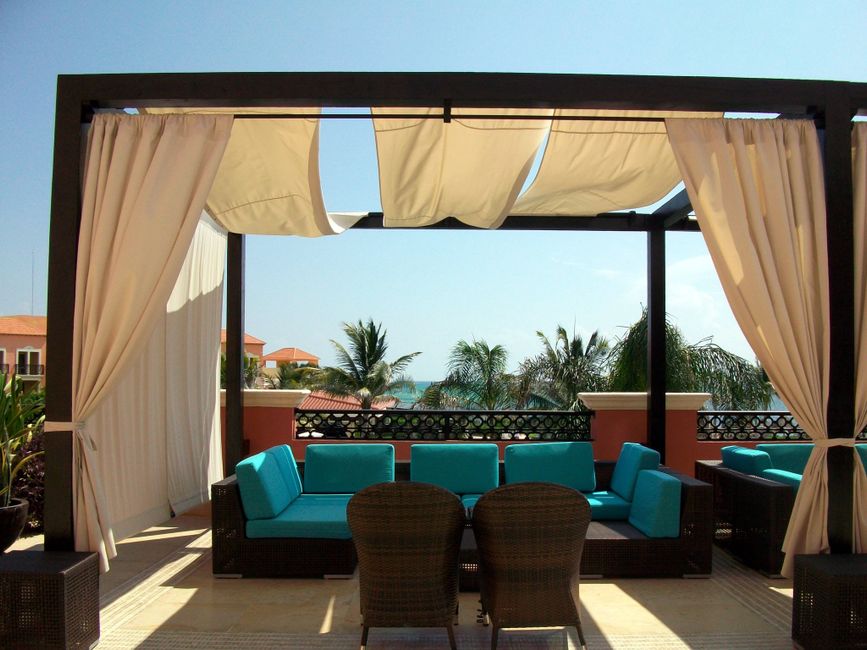
- Wind Protection: Use tiebacks or curtain weights to prevent flapping. Magnetic tiebacks are easy to use and don't damage fabric. Alternatively, install curtain holdbacks.
- Salt-Resistant Curtain Rings: Plastic or coated metal rings are preferable. Avoid brass, which can tarnish. Check the weight rating of your rings and track.
Real-World Application Cases
Case 1: Beachfront Hotel in Florida
A hotel required blackout curtains for guest rooms facing the ocean. They chose polyester blackout curtains with a moisture-resistant backing and white backing to reflect heat. After two years, the curtains showed no signs of fading or mildew, and guests reported better sleep quality.
Case 2: Coastal Home in California
A homeowner with large windows wanted to preserve the ocean view while controlling glare. They installed sheer acrylic curtains paired with floor-length velvet drapes. The sheers reduced UV exposure by 60%, and the velvet provided insulation during cool evenings. The combination proved both functional and elegant.
Case 3: Restaurant near the Sea in Australia
To reduce noise from a busy boardwalk and maintain a cozy atmosphere, the restaurant used acoustic curtains in a textured polyester. The curtains cut noise by 50% and withstood high humidity without odor. Cleaning was done quarterly with a professional service.
Conclusion
Choosing curtains for coastal areas requires thoughtful consideration of fabric properties, maintenance, and hardware. Polyester blackout curtains, solution-dyed sheers, faux velvet, and acoustic curtains are the top performers. By prioritizing UV resistance, moisture-wicking, and easy cleaning, you can enjoy beautiful, long-lasting window treatments that enhance your coastal living experience. Always invest in quality materials and proper installation to protect against the unique challenges of seaside environments.