Introduction: The Unique Demands of High Rise Window Treatments
High rise buildings present a distinct set of challenges for window coverings. Unlike low-rise homes, these structures are exposed to stronger winds, harsher sunlight, and greater privacy concerns. The sheer height and often expansive glass facades mean that curtains must perform beyond mere decoration—they are essential for comfort, safety, and energy efficiency. This comprehensive guide explores the best curtain solutions for high rise environments, covering fabric types, installation methods, maintenance tips, and industry applications.
___PROTECTED_1___
Key Considerations for High Rise Curtains
Before selecting curtains for a high rise building, it’s crucial to understand the specific demands posed by altitude and urban settings. Below are the primary factors to evaluate:
Wind Resistance and Stability
High floors experience significantly stronger wind pressure. Curtains must be heavy enough to avoid billowing, which can cause noise and wear. Opt for dense fabrics like velvet or thick blackout materials. Proper installation with sturdy tracks (e.g., ceiling-mounted or heavy-duty curtain rods) is essential. Consider weighted hems or magnetic tiebacks to keep curtains in place.
Light Control and Solar Heat Gain
Large windows flood interiors with sunlight, causing glare and heat buildup. Blackout curtains are ideal for bedrooms and media rooms, while sheer fabrics reduce excessive brightness without blocking the view. Layering blackout linings behind sheer curtains offers flexibility.
Privacy at Height
While higher floors offer seclusion from street level, neighboring towers can still compromise privacy. One-way sheer fabrics (which appear reflective from outside) or top-down/bottom-up shades allow light while obscuring the interior. For full privacy, blackout curtains are the best choice.
Energy Efficiency
High rise buildings often have large glass surfaces that lead to heat loss in winter and overheating in summer. Thermal insulating curtains with foam backing or thick fabrics can reduce HVAC load by up to 25%. Look for curtains with high R-values or double-layer construction.
Fire Safety
Fire codes in high rise buildings are stringent. Curtains must be made of flame-retardant materials or treated to meet local regulations. Many blackout and acoustic curtains are inherently fire-resistant; always verify certifications (e.g., NFPA 701).
___PROTECTED_2___
Best Fabric Choices for High Rise Curtains
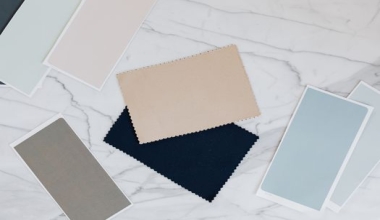
Fabric selection is the most critical decision. Here are the top options tailored to high rise needs:
| Fabric Type | Key Benefits | Best For |
|---|---|---|
| Blackout (polyester/cotton blend with coating) | Complete darkness, thermal insulation, UV protection | Bedrooms, home theaters, hotels |
| Sheer (polyester, linen, or silk blends) | Diffuse light, maintain view, lightweight | Living rooms, offices, day areas |
| Velvet (cotton or synthetic pile) | Luxurious texture, excellent insulation, sound absorption | Formal living spaces, libraries, luxury hotels |
| Acoustic (heavy multi-layer fabrics with sound-dampening core) | Reduce noise transmission, improve speech privacy | Offices, convention centers, apartments near traffic |
Blackout Curtains
High rise apartments and hotels heavily rely on blackout curtains to block intrusive street lights and early morning sun. Top-quality blackout fabrics feature a tight weave with a foam or acrylic coating. They also reduce outside noise and help maintain stable indoor temperatures. For high rise use, pick blackout curtains with a minimum weight of 300 GSM and a fire-retardant treatment.
Sheer Curtains
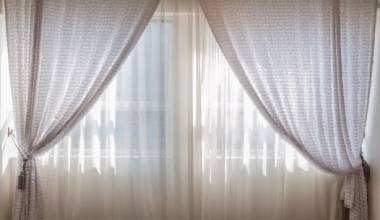
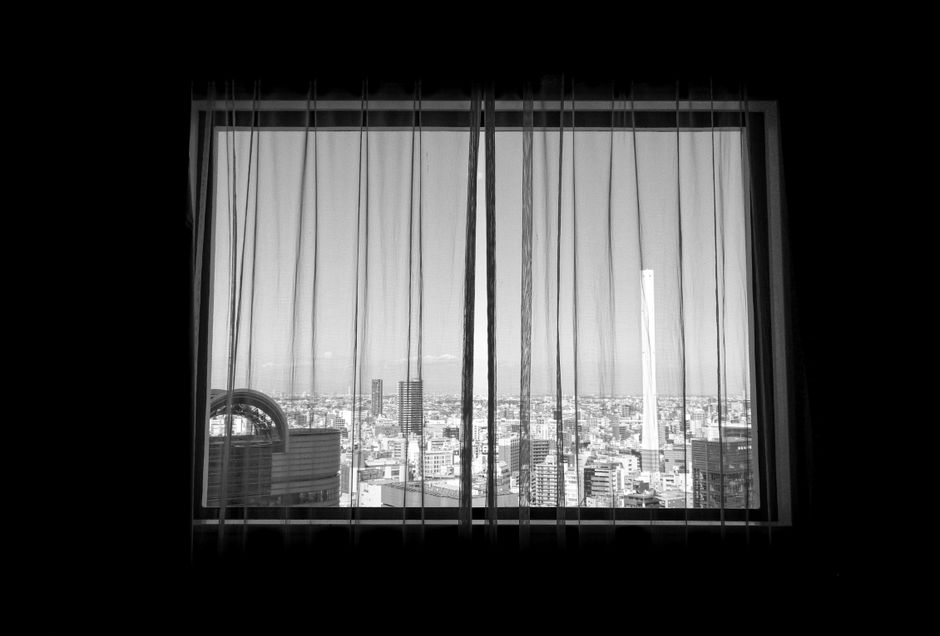
Sheers soften harsh sunlight while preserving the panoramic view—a prized asset in high rise living. They are also excellent for daytime privacy when the outside is brighter than inside. High-performance sheers like "one-way vision" fabrics or those with UV-blocking coatings are recommended. Pair them with blackout drapes for a versatile layered look.
Velvet Curtains
Velvet adds a touch of elegance and superior insulation. The dense pile traps air, making it a natural sound absorber and thermal barrier. It is particularly effective in windy high rise settings because the weight prevents flapping. However, velvet can be heavy on rods; use motorized tracks or reinforced hardware.
Acoustic Curtains
For high rise buildings located near airports, highways, or busy districts, acoustic curtains can reduce noise by up to 50%. These typically consist of multiple layers (e.g., mass-loaded vinyl sandwiched between fabrics). They are also great for conference rooms and executive offices where confidentiality is valued.
Installation and Mounting Tips for High Rise Windows
Proper installation ensures safety, longevity, and optimal performance. Follow these guidelines:
- Use heavy-duty tracks: Ceiling-mounted tracks distribute weight evenly and are less affected by wind. Choose tracks with a load capacity at least 20% above the curtain weight.
- Professional installation is essential: High rise windows are often oversized or non-standard. Professionals can securely anchor brackets to concrete or steel beams.
- Motorization for safety and convenience: Cordless motorized curtains eliminate dangling cords (a safety hazard) and allow remote control, which is ideal for hard-to-reach windows. They also reduce the risk of curtain movement in windy conditions.
- Add weights or tiebacks: Sew weighted hem bars into the curtain hem to minimize swaying. Use strong magnetic tiebacks to hold curtains flush against the wall when open.
- Consider blackout lining: Even if you choose sheers, adding a blackout liner gives you the option of complete darkness. Use a separate track for the liner to allow independent operation.
Care and Maintenance of High Rise Curtains
Curtains in high rise buildings are exposed to more airborne dust, pollen, and sometimes pollution. Regular maintenance extends their life and keeps them looking fresh:
- Vacuum weekly: Use a soft brush attachment to remove surface dust. For velvet, vacuum against the pile to avoid crushing.
- Dry clean as needed: Most lined curtains require professional dry cleaning every 1–2 years. Avoid machine washing unless the care label explicitly allows it.
- Protect from UV fading: Even behind glass, sunlight can fade fabrics over time. Choose curtains with UV-resistant coatings, and rotate them seasonally if possible.
- Prevent mold and mildew: In humid high rise climates, ensure curtains don’t touch the floor where moisture accumulates. Use anti-microbial treatments on the fabric.
- Check hardware annually: Tighten screws, inspect tracks for rust or bending, and test motorized systems. Wind and vibration can loosen fittings.
Industry Applications and Case Studies
Hotels and Residences
Luxury hotels in high rise towers often use a combination of blackout curtains for sleeping and sheers for daytime living. For example, the Burj Al Arab in Dubai uses triple-layer curtains: a sheer layer for daytime privacy, a blackout layer for sleep, and a decorative velvet layer for aesthetic. This setup maximizes energy efficiency and guest comfort.
Office Buildings
Corporate high rises prioritize glare reduction and natural light. Motorized sheer curtains with sensors that adjust based on sunlight angles are popular. Acoustic curtains in conference rooms ensure confidential meetings are not overheard.
Residential Skyscrapers
Homeowners in buildings like New York’s One57 benefit from blackout curtains to counteract city lights and noise. Many opt for blackout lining behind decorative fabrics to customize the look without sacrificing performance. Smart home integration allows curtains to open and close automatically based on time or light levels.
Government and Institutional Buildings
Strict fire codes and security requirements drive the use of flame-retardant blackout curtains. In buildings like the U.S. Embassy in London, curtains must meet BS 5867 standards and be blast-resistant. Acoustically treated curtains also help with secure communications.
Buying Guide: How to Choose Curtains for Your High Rise
When shopping for high rise curtains, keep this checklist in mind:
- Measure precisely: Account for window height (floor-to-ceiling or just above sill) and width (full coverage with stackback). Allow extra width for fullness (2–2.5 times the window width).
- Check fire ratings: Request a sample of the fabric and verify it meets your local fire code (e.g., NFPA 701 in the US, BS 5867 in the UK).
- Evaluate weight and opacity: For blackout, look for 100% light blocking. For sheers, choose a denser weave if privacy is needed.
- Consider custom vs. ready-made: High rise windows often have non-standard dimensions. Custom curtains ensure a perfect fit and can include features like weighted hems or thermal linings.
- Factor in installation costs: Professional installation might cost 20–30% of the curtain price but is vital for safety and performance.
- Think about automation: Motorized systems add convenience and can be programmed to adjust with the sun or wind. They also eliminate cord hazards, which is important in homes with children or pets.
Conclusion
Selecting the right curtains for a high rise building is a balancing act between aesthetics, function, and safety. Whether you need blackout for a restful night, sheers to enjoy the skyline, or acoustic fabrics for peace and quiet, the key is to prioritize materials and installation that match the unique challenges of altitude. By investing in quality fabrics, professional mounting, and regular maintenance, you can transform your high rise space into a comfortable, energy-efficient sanctuary. Always consult with a window treatment specialist experienced in high rise applications to ensure compliance and optimal results.