When it comes to selecting curtains for your home or business, one critical decision is whether to choose flame retardant (FR) curtains or standard non-FR curtains. This choice impacts safety, compliance, aesthetics, and budget. In this comprehensive guide, we'll explore the differences between FR and non-FR curtains, their applications, and how to make the best choice for your needs.
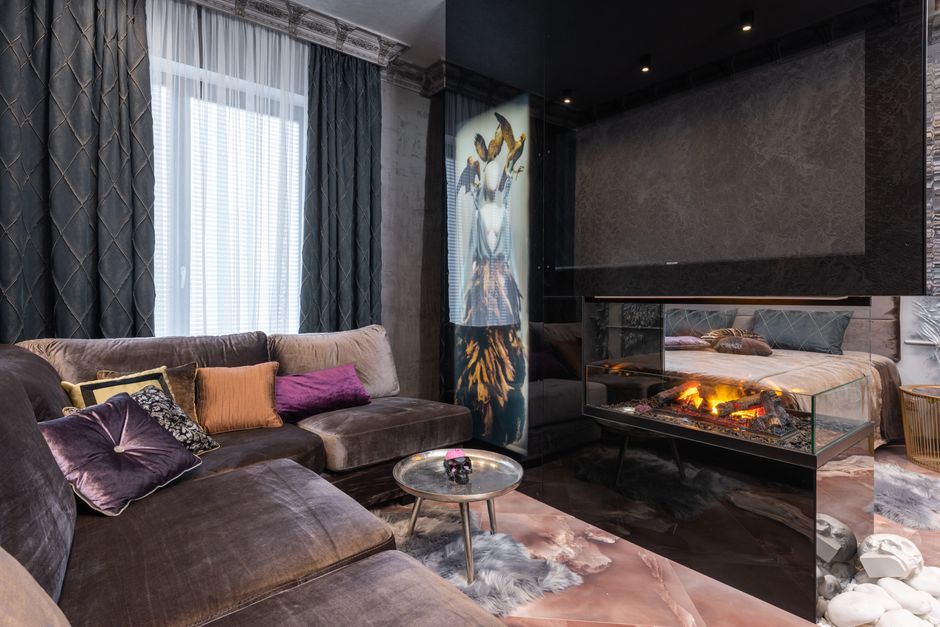
What Are FR Curtains?
FR curtains are fabric window treatments treated with chemical flame retardants or made from inherently flame-resistant fibers. They are designed to resist ignition, slow the spread of flames, and self-extinguish when the heat source is removed. These curtains must meet strict fire safety standards, such as NFPA 701 in the US, BS 5867 in the UK, or AS 1530 in Australia.
Materials Used in FR Curtains
- Inherently FR fibers: Polyester with built-in flame retardant properties (e.g., Trevira CS), modacrylic, or fiberglass.
- Chemically treated fabrics: Cotton, linen, or polyester coated with FR chemicals. Note that treatment may diminish after washing.
___PROTECTED_1___
What Are Non-FR Curtains?
Non-FR curtains are standard drapes that have not been treated for fire resistance. They are made from conventional fabrics like cotton, polyester, velvet, or sheer materials. These curtains offer unlimited style options and are generally more affordable, but they can ignite easily and contribute to fire spread.
Common Non-FR Fabric Types
- Cotton: Natural, breathable, but highly flammable.
- Polyester: Synthetic, slightly more resistant than cotton but still melts and burns.
- Velvet: Luxurious but often requires FR treatment for safety.
- Sheer: Lightweight and decorative, but very flammable.
___PROTECTED_2___
Key Differences Between FR and Non-FR Curtains
| Feature | FR Curtains | Non-FR Curtains |
|---|---|---|
| Fire Resistance | Self-extinguishing; meets fire codes | Can ignite and spread flames |
| Cost | Higher (10-30% more expensive) | Lower, more budget-friendly |
| Durability | Often more durable due to treatment or fibers | Varies; may need replacement sooner |
| Maintenance | Requires care to preserve FR properties; some can't be washed | Standard care; easy to wash |
| Aesthetic Options | Limited but growing; more tailored | Vast variety of colors, patterns, textures |
| Applications | Commercial, public spaces, hospitals, schools | Residential, low-risk areas |
When to Choose FR Curtains
FR curtains are mandatory in many commercial and public buildings due to fire safety regulations. Typical applications include:
- Hotels and restaurants: Must comply with local fire codes.
- Hospitals and care homes: Patient safety is paramount.
- Theaters and schools: High occupancy requires fire-resistant textiles.
- Offices: Commercial spaces often require FR window treatments.
- High-risk areas: Kitchens, labs, or near open flames.
Practical Tip: Check Local Codes
Before buying, verify with your local fire marshal or building inspector whether FR curtains are required for your space. Non-compliance can lead to fines or insurance issues.
When to Choose Non-FR Curtains
Non-FR curtains are suitable for low-risk residential settings where fire hazards are minimal. Consider them when:
- Budget is a primary concern.
- You want a wider variety of colors and patterns (e.g., sheers, velvet).
- The curtains are away from heat sources like radiators or candles.
- You prioritize softness and drape over flame resistance.
Practical Tip: Enhance Safety Naturally
If you choose non-FR curtains, reduce fire risk by keeping them away from heaters, using battery-operated candles, and installing smoke alarms.
FR Curtains vs Non-FR Curtains: A Detailed Comparison
Safety
FR curtains are engineered to resist ignition. In a fire, they don't fuel the flames, giving occupants more time to evacuate. Non-FR curtains can catch fire quickly and contribute to toxic smoke. For homes with children, elderly, or smokers, FR curtains add a layer of protection.
Cost and ROI
FR curtains typically cost 10-30% more upfront. However, they often last longer and may reduce insurance premiums. Non-FR curtains are cheaper initially but may need replacement more frequently and pose a higher fire risk.
Aesthetics and Comfort
Non-FR fabrics offer unlimited design possibilities. FR fabrics have improved but still have a slightly stiffer hand feel and limited color range for some treated options. Inherently FR fabrics like Trevira CS mimic the look of natural fibers.
Maintenance
FR curtains require careful cleaning to preserve flame retardancy. Some can be dry cleaned only; others are washable with specific detergents. Non-FR curtains can be machine washed easily. Always check care labels.
Durability
Inherently FR fibers are often more resistant to wear, fading, and degradation. Chemically treated fabrics may lose FR properties over time, especially after multiple washes. Non-FR fabrics vary widely in quality.
How to Identify FR Curtains
Look for these indicators:
- Certification labels: NFPA 701, BS 5867, AS 1530, or similar.
- Manufacturer's specification sheet: Should state flame retardant properties.
- Testing documentation: Ask for test reports from the supplier.
- Visual cues: Some FR curtains have a subtle shine or different texture due to treatment.
Practical Tip: Ask for Swatches
Request fabric samples to examine the hand feel and draping quality. Test a small piece with a lighter (in a safe area) to see if it catches fire or self-extinguishes.
Practical Tips for Choosing Between FR and Non-FR
- Assess fire risk: Evaluate ignition sources near windows—heaters, candles, electrical outlets.
- Check regulations: For commercial or rental properties, FR is often mandatory.
- Consider maintenance commitment: FR curtains need special care; non-FR are easier.
- Balance budget and safety: Invest in FR for high-traffic areas; choose non-FR for low-risk rooms like bedrooms away from heat.
- Think long-term: FR curtains may be cost-effective over time due to durability and insurance benefits.
Conclusion
Choosing between FR and non-FR curtains comes down to safety requirements, budget, and personal preference. For peace of mind and compliance, FR curtains are essential in commercial settings and recommended for homes with elevated fire risks. Non-FR curtains offer more style and lower cost for safe, low-risk environments. Always prioritize fire safety and consult professionals if unsure. Explore our range of FR curtains and non-FR drapes to find the perfect balance of safety and style for your space.