Introduction
Choosing the right curtain fabric is crucial for achieving the desired functionality and aesthetics in any space. Among the myriad options, PVC coated fabrics and standard fabrics represent two distinct categories with unique properties. This comprehensive guide explores their differences, performance characteristics, and ideal use cases to help you make an informed decision.
___PROTECTED_1___
What Are PVC Coated Fabrics?
PVC coated fabrics are textiles that have been laminated or coated with a layer of polyvinyl chloride (PVC). This coating adds a waterproof, durable, and often flame-retardant surface. Common base fabrics include polyester, nylon, or glass fiber. The coating can be applied on one or both sides, and the thickness varies depending on the intended use. These fabrics are commonly used for blackout curtains, outdoor screens, and industrial applications.
Manufacturing Process
The PVC coating is typically applied via a knife-over-roll, calendar, or dip coating process. The fabric is passed through a bath of liquid PVC, then dried and cured. Additional treatments like UV stabilizers, anti-microbial agents, or fire retardants can be added during manufacturing.
___PROTECTED_2___
What Are Standard Fabrics?
Standard fabrics refer to traditional textile materials such as cotton, polyester, linen, velvet, or blends. They are woven or knitted without any specialized coating. These fabrics offer a wide range of textures, colors, and weights, and are the go-to choice for decorative curtains, sheers, and drapes.
Common Types
- Cotton: Natural, breathable, but prone to fading and shrinking.
- Polyester: Durable, wrinkle-resistant, and affordable.
- Velvet: Luxurious, heavy, and excellent for insulation.
- Linen: Lightweight, breathable, but wrinkles easily.
Key Differences Between PVC Coated and Standard Fabrics
| Property | PVC Coated Fabrics | Standard Fabrics |
|---|---|---|
| Waterproof | Yes, completely waterproof | No, unless treated |
| Light Blockage | Excellent (often 100% blackout) | Varies (sheer to room darkening) |
| Durability | High, resistant to tears and abrasion | Moderate, depends on fiber |
| Breathability | Low (non-breathable) | High to moderate |
| Fire Resistance | Often built-in (flame retardant) | Varies, often requires treatment |
| Maintenance | Easy to clean, wipeable | May require dry cleaning or gentle washing |
| Aesthetic Variety | Limited colors/textures | Extensive range |
| Cost | Higher upfront | Lower to moderate |
Performance Comparison
Light Blocking and Blackout
PVC coated fabrics are virtually 100% opaque, making them ideal for bedrooms, home theaters, and shift workers. The coating creates a solid barrier that blocks even the smallest light leaks. Standard fabrics can achieve blackout only through multiple layers, special weaves, or lining.
Thermal Insulation
PVC coated fabrics provide excellent thermal insulation due to their dense composition. They reduce heat transfer, keeping rooms cooler in summer and warmer in winter. Standard heavy drapes like velvet also offer good insulation but are less effective at blocking drafts compared to coated fabrics that are airtight.
Soundproofing
Both types can dampen sound, but PVC coated fabrics are superior because the coating absorbs sound waves effectively. Acoustic curtains often use PVC coated materials to reduce echo and noise transmission. Standard fabrics offer moderate sound absorption, especially thick ones like velvet or multiple layers.
Durability and Maintenance
PVC coated fabrics are extremely durable, resistant to moisture, mold, and physical damage. They can be wiped clean with a damp cloth. Standard fabrics are more delicate; they may require professional cleaning and are prone to stains, fading, and fraying over time.
Pros and Cons of Each
PVC Coated Fabrics
Pros: Waterproof, excellent light blockage, high durability, easy to clean, fire-resistant options, good insulation, soundproofing.
Cons: Limited aesthetic appeal, can feel stiff or plasticky, less breathable, higher cost, not eco-friendly (PVC production and disposal).
Standard Fabrics
Pros: Wide variety of colors, textures, and patterns; breathable; soft and natural feel; generally more affordable; eco-friendly options available (organic cotton, linen).
Cons: Not waterproof, requires lining for blackout, less durable, more maintenance, can fade in sunlight.
Which One Should You Choose?
Your choice depends on your specific needs:
- For complete blackout and moisture resistance (e.g., bathrooms, basements, outdoor spaces) → PVC coated fabrics.
- For decorative purposes and a soft, natural look (e.g., living rooms, bedrooms with moderate light control) → Standard fabrics, possibly with a liner.
- For industrial or commercial applications (e.g., hospitals, hotels, studios) → PVC coated fabrics for hygiene and durability.
- For eco-conscious consumers → Standard fabrics made from sustainable materials.
Application Cases
PVC Coated Curtains in Hospitals
Hospitals require curtains that are easy to clean, flame retardant, and resistant to bacterial growth. PVC coated fabrics are widely used for privacy curtains, as they can be wiped down with disinfectants without damage. They also provide excellent light blocking for patient rooms.
Standard Sheer Curtains in Residential Spaces
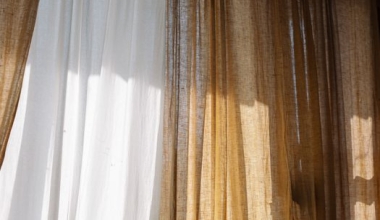
Sheer curtains made from polyester or linen are popular in living rooms to allow diffused natural light while maintaining privacy. They offer a delicate aesthetic and are cost-effective, but they lack light blocking capabilities. For bedrooms, homeowners often combine sheers with blackout linings.
Acoustic Curtains in Recording Studios
Recording studios demand both sound absorption and light control. PVC coated acoustic curtains are heavy and dense, effectively dampening echo and blocking external noise. Standard velvet curtains can also be used but are less efficient.
Conclusion
PVC coated and standard fabrics each have distinct advantages and drawbacks. PVC coated fabrics excel in functionality—waterproofing, light blocking, durability—while standard fabrics offer aesthetic versatility and comfort. By assessing your priorities for light control, maintenance, appearance, and budget, you can select the fabric that best fits your space. For most residential applications, a combination of both (e.g., standard decorative curtain with a PVC coated liner) provides the best of both worlds.