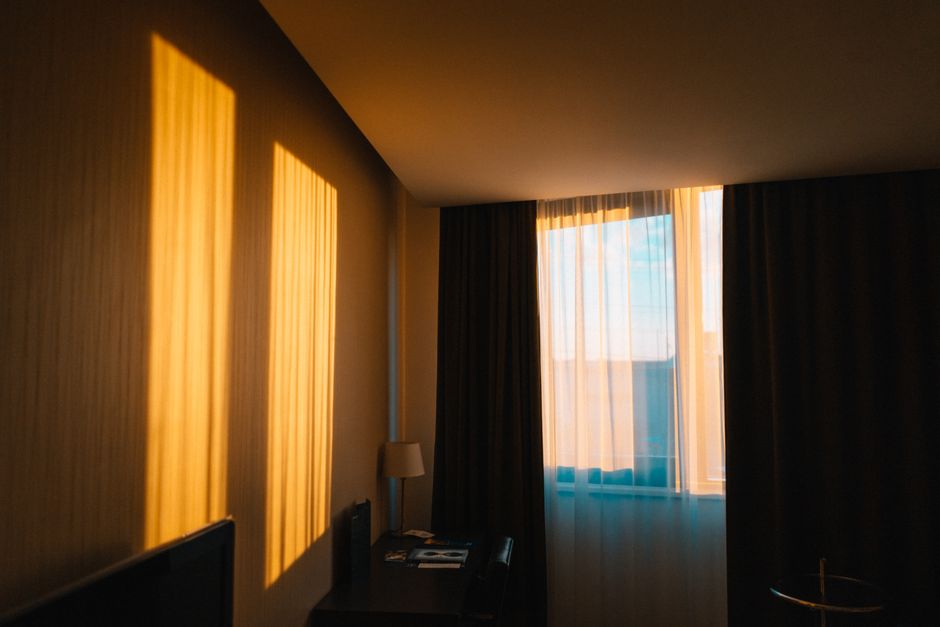
Why Curtain Care Matters in Hotels
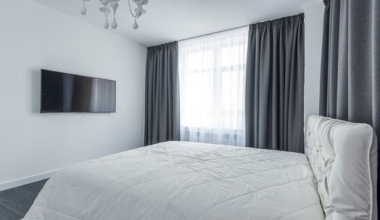
In the hospitality industry, first impressions are everything. Curtains are often one of the largest visible elements in a guest room, and their condition directly impacts the perceived quality of the establishment. Proper curtain care not only extends the lifespan of expensive fabrics but also ensures hygiene, blocks light effectively for sleep quality, and maintains the aesthetic appeal that guests expect. Neglected curtains can harbor dust mites, allergens, and odors, leading to negative reviews and increased turnover. Investing in a regular care routine saves money on replacements and preserves the ambiance of your hotel.
___PROTECTED_1___
General Care Tips for Hotel Curtains
Regardless of fabric type, all hotel curtains benefit from consistent basic maintenance. Start with gentle dusting or vacuuming using a soft brush attachment weekly to remove surface dust and debris. Avoid aggressive rubbing that can damage fibers. Protect curtains from direct sunlight by using sheer sheers or UV-filtering window films to prevent fading. Rotate and re-hang curtains periodically to ensure even wear. Train housekeeping staff to handle curtains properly, pulling them gently rather than yanking. Additionally, avoid spraying perfume or cleaning agents directly onto the fabric, as chemicals can cause discoloration.
___PROTECTED_2___
Fabric-Specific Care: Blackout, Sheer, Velvet, Acoustic
Blackout Curtains
Blackout curtains are typically made with multiple layers, including a coating or interlining that blocks light. To preserve their light-blocking properties, avoid washing them too frequently, as water can degrade the coating. Instead, spot clean stains with a mild detergent and cold water, blotting (not rubbing). Use a low-temperature steam cleaner for deep refreshment. For machine washing, check the manufacturer’s label; most blackout curtains should be washed on a gentle cycle with cold water and hung to dry. Never wring or twist. Dry cleaning is often the safest option.
Sheer Curtains
Sheer curtains are delicate and prone to tearing. Hand wash them gently in cold water with a mild detergent, soaking for 10–15 minutes. Rinse thoroughly and avoid wringing—roll in a clean towel to absorb excess water, then hang to dry. Do not use bleach or fabric softener. For polyester sheers, a gentle machine cycle in a mesh bag works. Iron on low heat if needed, but be careful not to melt synthetic fibers.
Velvet Curtains
Velvet is luxurious but high-maintenance. It absorbs dust and shows crush marks easily. Vacuum meticulously using a soft brush nozzle in the direction of the pile. For wrinkles, hang in a steamy bathroom or use a handheld steamer at a distance. Never iron directly. Spot clean oil-based stains with cornstarch; let sit for 30 minutes, then brush off. Dry clean only—home washing will ruin the pile and backing.
Acoustic Curtains
Acoustic curtains are often heavy with dense fibers and sometimes sound-absorbing layers. They require careful handling to maintain their noise-dampening properties. Vacuum regularly with a brush attachment. Avoid water-based cleaning that may compress the inner materials. Spot clean with a damp cloth and minimal detergent. For deep cleaning, professional dry cleaning is strongly recommended. Never machine wash unless specified by the manufacturer.
Professional Cleaning vs. In-House Maintenance
While daily dusting and vacuuming can be done by housekeeping, periodic professional cleaning is essential. Professional services use specialized equipment and solvents that deep clean without damaging fabric integrity. They can also apply protective treatments to repel dirt and stains. For hotels, scheduling professional cleaning every 6–12 months is ideal, depending on occupancy and location. In-house maintenance should focus on spot cleaning and regular dust removal. Always have clear procedures for handling stains immediately—train staff to identify stains and act quickly to prevent setting.
Recommended Cleaning Schedule for Hotels
| Frequency | Action | Responsible |
|---|---|---|
| Daily | Fluff and straighten curtains; check for visible stains or damage | Housekeeping |
| Weekly | Vacuum curtains with soft brush attachment; dust hardware | Housekeeping |
| Monthly | Spot clean minor stains; rotate and adjust curtain rods | Maintenance |
| Every 6 months | Professional deep clean (or dry clean) for all curtains | Outside vendor |
| Annually | Full inspection for wear, sun damage, or loose stitching | Housekeeping manager |
Dealing with Stains and Odors
Stains are inevitable in hotels. Act quickly: blot (never rub) fresh stains with a clean white cloth. For common stains like coffee or wine, test a small area with a solution of water and mild dish soap. For food grease, apply a small amount of dry cleaning solvent. Odors from smoke or dampness can be neutralized with baking soda—sprinkle over fabric, leave for several hours, then vacuum. Enzyme-based cleaners work well for organic odors like sweat or urine. If odors persist, professional steam cleaning or ozonation may be necessary. Always ventilate the room during and after treatment.
Proper Hanging and Hardware Maintenance
Care begins with the correct installation. Curtains that drag on the floor accumulate dirt and may tear. Ensure hemmed edges are at least ½ inch above the floor. Use high-quality rods and rings that can support the weight of heavy blackout or acoustic curtains. Lubricate tracks and hooks annually to prevent sticking. Check for rust on metal components, especially in humid environments. Replace worn hardware promptly. For top treatment, add a valance or cornice to protect header fabric from direct sunlight and dust.
Conclusion
Hotels that prioritize curtain care not only save money on replacements but also enhance guest satisfaction. A systematic approach—combining daily light upkeep with scheduled professional cleaning—ensures curtains remain fresh, functional, and attractive. Train your team, choose the right cleaning methods for each fabric, and never underestimate the impact of well-maintained window treatments. Implement these tips today to extend the life of your investment and keep your hotel looking its best.